
 Pin it
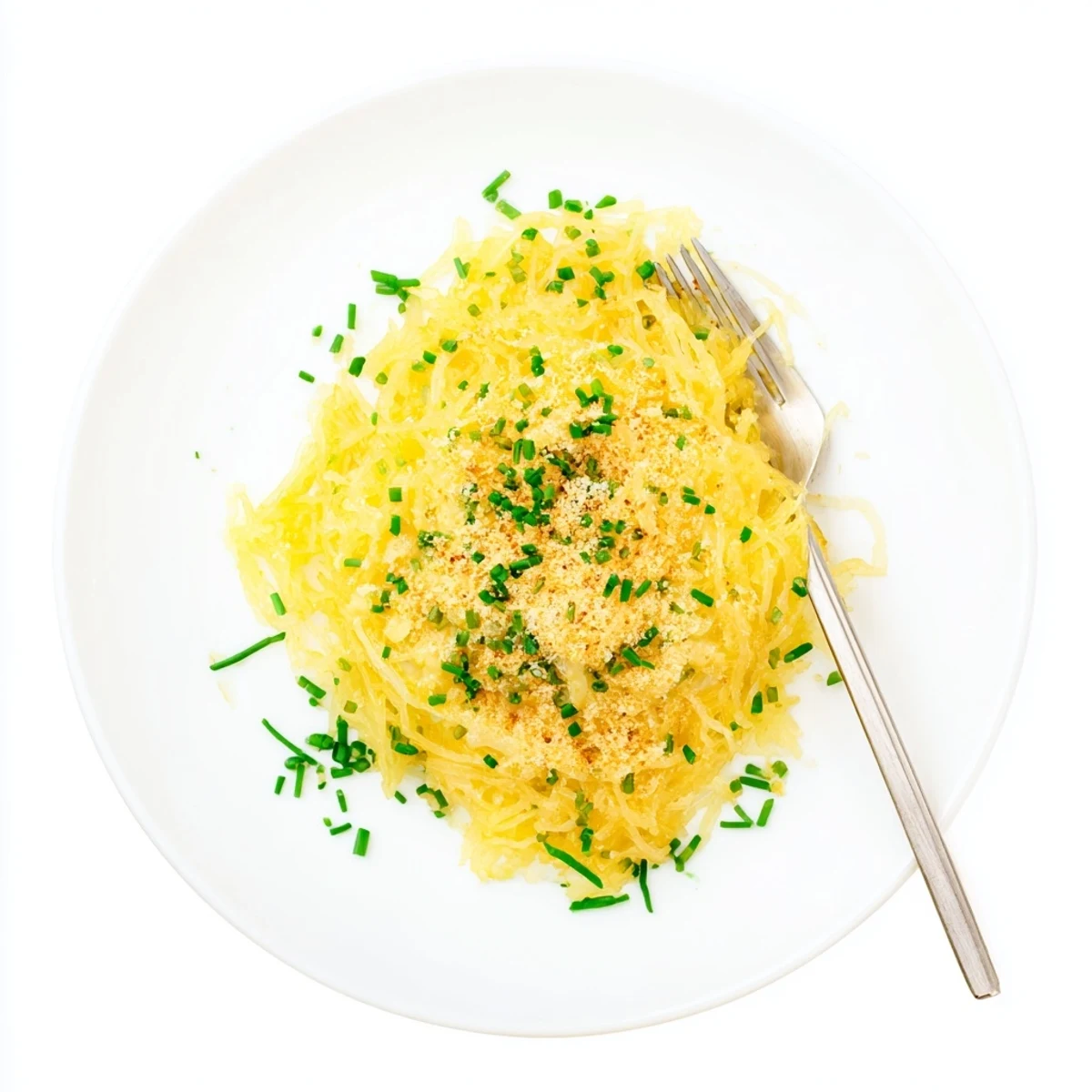
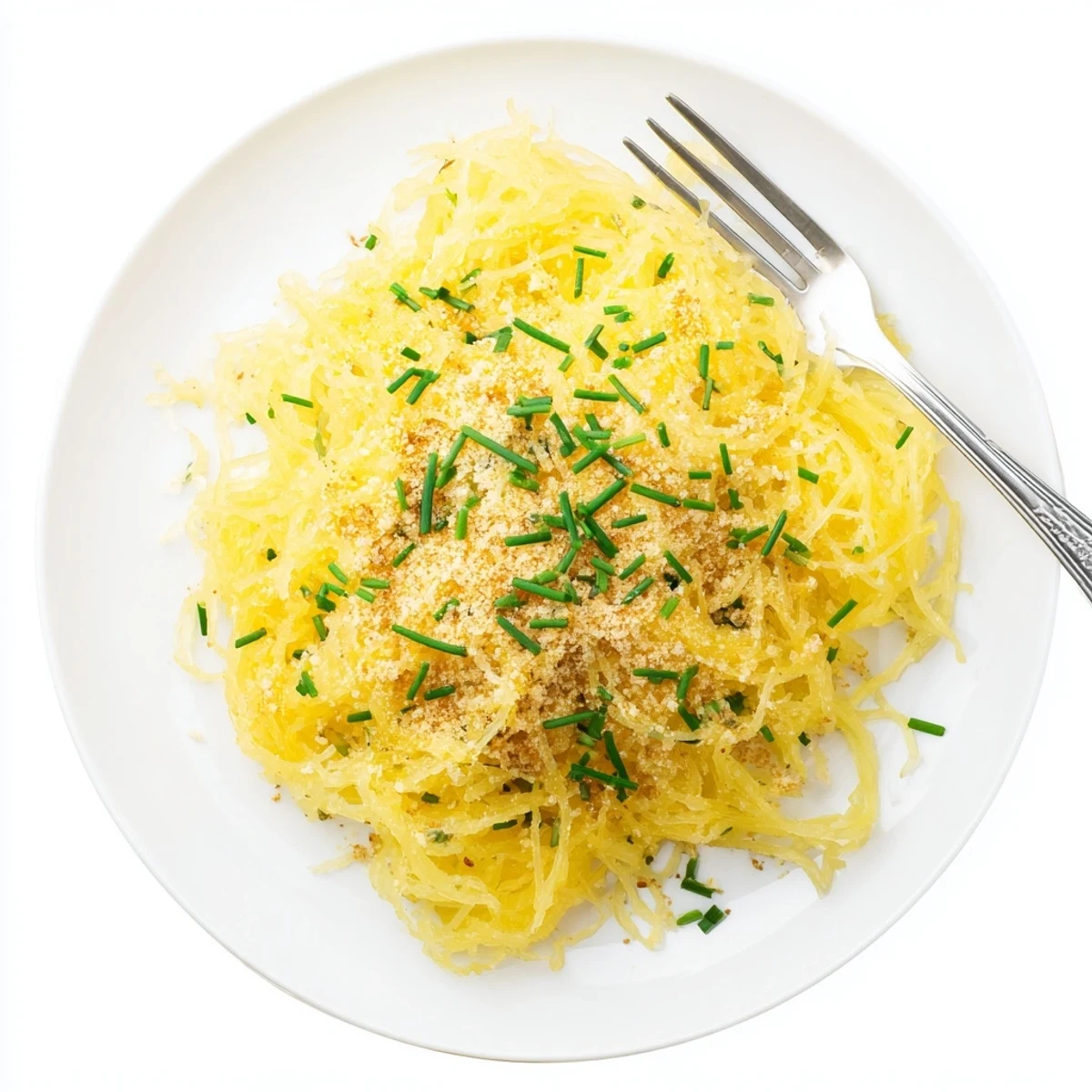
 This creative rendition transforms tender roasted spaghetti squash into noodle-like strands, then tosses them in a homemade cheese sauce crafted from sharp cheddar and nutty Gruyère. The result delivers all the creamy, savory satisfaction of traditional mac and cheese while naturally reducing carbohydrates and increasing vegetable intake.
The sauce comes together quickly on the stovetop using a simple roux base, while the squash roasts to develop subtle sweetness. Optional breadcrumb and Parmesan topping adds satisfying crunch, though the dish remains equally delicious without the additional baking step.
Perfect for weeknight dinners or meal prep, this gluten-free adaptation pairs beautifully with crisp salads and white wine. Customize with smoked paprika, protein additions, or plant-based alternatives to suit your dietary preferences.
The smell of browning butter and melting cheddar hit me before I even realized what my neighbor was cooking through our shared apartment wall in 2019. She knocked on my door twenty minutes later holding a casserole dish full of something golden and bubbling that she called spaghetti squash mac and cheese. I was skeptical until the first forkful pulled long tender strands coated in the silkiest cheese sauce I had ever tasted. That dish converted me instantly and I have been tinkering with the recipe ever since.
I made this for a friend who swore she hated spaghetti squash and watched her go back for thirds without saying a word. The secret was the Gruyere mixed into the sauce because its nutty depth makes everything taste richer than it actually is.
Ingredients
- 1 large spaghetti squash (about 1.2 kg): Pick one that feels heavy for its size with pale firm skin and no soft spots because those cook up stringier and more tender.
- 2 tablespoons unsalted butter: This forms the base of your roux so use good quality butter since you will taste the difference.
- 2 tablespoons gluten-free flour: Thickens the sauce without adding gluten and works just as well as regular flour if you whisk it thoroughly.
- 1 1/2 cups whole milk: Whole milk creates the creamiest texture and skim or low fat will leave the sauce feeling thin and watery.
- 1 cup grated sharp cheddar cheese: Always grate your own because pre-shredded cheese has anti-caking powders that make the sauce grainy.
- 1/2 cup grated Gruyere cheese (optional): This is the upgrade that takes the sauce from good to memorable with its sweet nutty melt.
- 1/4 teaspoon garlic powder: Just enough to add a quiet savory background without overpowering the cheese.
- 1/4 teaspoon ground mustard: A classic mac and cheese trick that amplifies cheese flavor without making it taste like mustard.
- 1/4 teaspoon salt and 1/4 teaspoon black pepper: Seasoning matters here more than you think because squash can dull flavors if undersalted.
- 1/4 cup grated Parmesan cheese (topping): Adds a salty crispy crust on top that contrasts beautifully with the creamy interior.
- 1/4 cup gluten-free breadcrumbs (topping): Gives the bake that essential crunch and golden color everyone reaches for.
- 1 tablespoon melted butter (topping): Binds the breadcrumb mixture and helps it brown evenly in the oven.
- Fresh chives or parsley (garnish): A bright finishing touch that cuts through the richness with fresh color and flavor.
Instructions
- Roast the squash:
- Preheat your oven to 400 degrees F and carefully halve the squash lengthwise using a sharp steady hand. Scoop out the seeds and stringy bits then place both halves cut side down on a parchment lined baking sheet and roast for 35 to 40 minutes until a fork slides through the flesh easily.
- Start the roux:
- While the squash works its magic melt the butter in a medium saucepan over medium heat and whisk in the flour. Stir constantly for about one minute until it smells lightly toasted and looks pale golden.
- Build the sauce base:
- Pour in the milk gradually while whisking so no lumps form and keep stirring until the mixture thickens enough to coat the back of a spoon which takes about 2 to 3 minutes.
- Melt in the cheeses:
- Lower the heat and add the cheddar and Gruyere along with the garlic powder ground mustard salt and pepper. Stir gently until everything melts into a smooth glossy sauce then pull it off the heat immediately so it does not break.
- Shred and combine:
- Let the roasted squash cool just enough to handle then drag a fork through the flesh to pull out long spaghetti-like strands. Pile them into a large bowl pour the warm cheese sauce over the top and toss gently until every strand is coated.
- Bake with the topping:
- Transfer the dressed squash to a greased baking dish and stir together the breadcrumbs Parmesan and melted butter in a small bowl. Scatter the mixture evenly across the top and bake at 400 degrees F for 10 to 12 minutes until the surface is golden and bubbling at the edges.
- Finish and serve:
- Sprinkle chopped chives or parsley over the top right before serving while the dish is still hot and the cheese is stretchy. Call everyone to the table immediately because this is best enjoyed straight from the oven.
 Pin it
 One cold January evening I brought this to a potluck where it sat next to a massive tray of traditional mac and cheese and the squash version disappeared first. People kept asking what made it taste so different and I realized that the subtle sweetness of roasted squash does something regular pasta never could.
How to Pick the Right Squash
Look for squash with a deep even yellow color and skin that does not yield when you press your thumb against it. A pale green squash was picked too early and will never develop those satisfying long strands no matter how long you roast it.
Making It Your Own
This recipe is flexible enough to absorb whatever you have in your fridge and I have thrown in everything from roasted broccoli to caramelized onions depending on my mood. A pinch of smoked paprika in the sauce transforms the whole dish into something that tastes like it came off a wood fired grill.
Leftovers and Reheating
Leftovers store beautifully in an airtight container in the fridge for up to three days and actually taste better the next day when the flavors have had time to settle into the squash strands. Reheat gently in the oven at 350 degrees F covered with foil so the topping does not burn and the cheese sauce comes back to life slowly without separating.
- Avoid microwaving if you can because it turns the topping soggy and unevenly heats the sauce.
- Freeze individual portions wrapped tightly in foil for up to one month and thaw overnight in the fridge before reheating.
- Always add a fresh sprinkle of cheese on top before reheating to bring back that gooey stretch everyone loves.
 Pin it
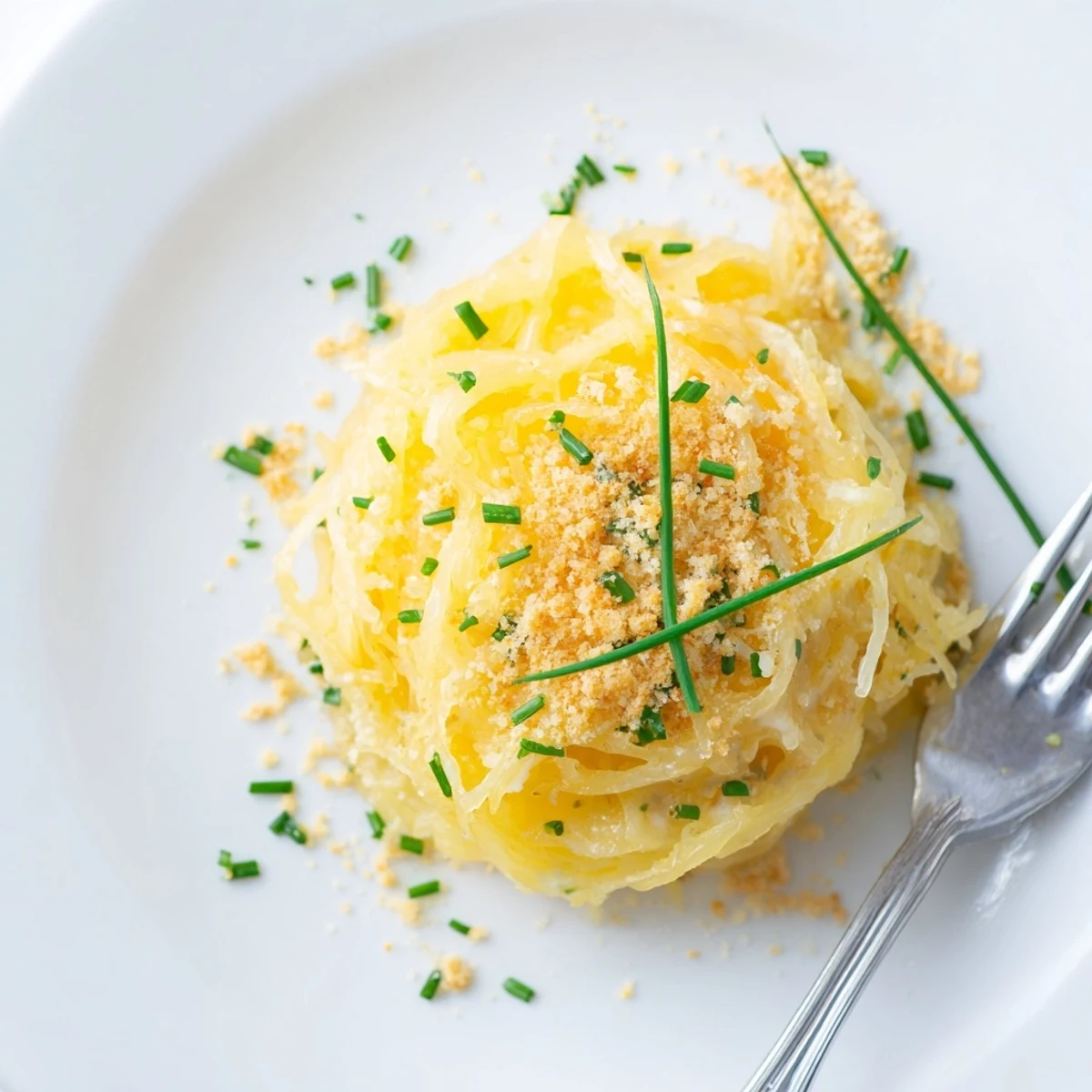
 This dish reminds me that comfort food does not have to feel heavy to be satisfying and sometimes the most surprising ingredients make the most memorable meals. Share it with someone who thinks they do not like squash and watch what happens.
Recipe FAQs
- → How do I know when the spaghetti squash is fully cooked?
-
The squash is ready when the flesh feels tender and easily shreds into strands with a fork. This typically takes 35–40 minutes at 400°F. Let it cool briefly before handling to avoid burns.
- → Can I make this dish ahead of time?
-
Absolutely. Prepare the roasted squash and cheese sauce separately, then store in airtight containers for up to 3 days. Reheat gently on the stovetop, adding a splash of milk if the sauce thickens. Add the breadcrumb topping just before serving.
- → Is the breadcrumb topping necessary?
-
Not at all. The dish delivers rich flavor and creamy texture without baking. However, the topping adds a delightful crunch and golden presentation. Simply skip the final bake for a quicker preparation.
- → What protein additions work well?
-
Shredded rotisserie chicken, crispy bacon bits, or rinsed chickpeas all complement the flavors beautifully. Stir warmed protein directly into the cheese-coated squash before serving.
- → Can I freeze leftovers?
-
Yes, portion the cooled mixture into freezer-safe containers for up to 2 months. Thaw overnight in the refrigerator, then reheat at 350°F until warmed through, adding a touch of milk to restore creaminess.
- → What cheese substitutions can I use?
-
Swap Gruyère for Swiss or Fontina for similar nutty depth. Extra sharp cheddar provides the boldest flavor, while Colby Jack offers a milder profile. For vegan versions, use plant-based shreds that melt well.