
 Pin it
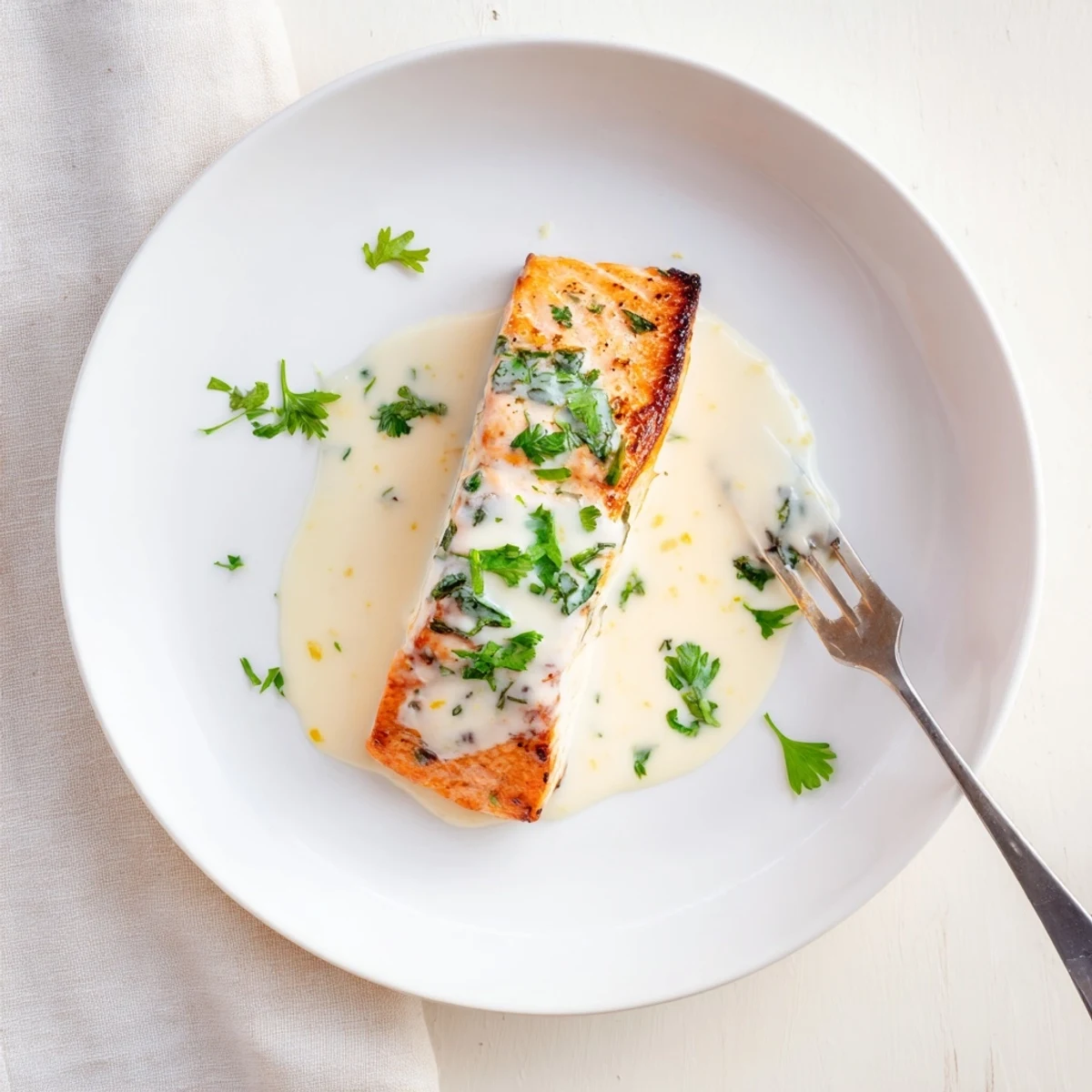
 Experience restaurant-quality salmon at home with this pan-seared fillet topped with a velvety lemon cream sauce. The fish develops a beautiful golden crust while staying tender and moist inside. The sauce balances bright citrus notes with rich cream, garlic, and a hint of Dijon mustard for depth. Each serving delivers 34 grams of protein and comes together in just 30 minutes, making it perfect for busy weeknights yet elegant enough for entertaining.
The sizzle of salmon hitting a hot pan is one of those sounds that instantly makes a kitchen feel alive, and on a rainy Tuesday evening with nothing planned, that sound changed my entire mood. I had bought four beautiful fillets on impulse, drawn in by their coral color at the fish counter, and decided to dress them up with a lemon cream sauce that felt almost too simple to work. Thirty minutes later I was plating something that looked like it came from a bistro around the corner.
My neighbor Karen knocked on my door that night to return a borrowed casserole dish, caught one whiff from the open kitchen window, and ended up staying for dinner with her husband. She now texts me every few weeks asking when I am making that salmon again, and I always laugh because it took me longer to set the table than to cook the whole thing.
Ingredients
- 4 skinless salmon fillets, about 170 g each: Try to buy fillets of similar thickness so they cook evenly and none end up overdone while you wait for the thickest piece.
- 2 tablespoons butter: Unsalted butter gives you control over the seasoning, and its rich flavor is the backbone of the cream sauce.
- 2 cloves garlic, minced: Fresh garlic makes a noticeable difference here since there are so few ingredients competing for attention.
- 1 cup heavy cream: This is what gives the sauce its luxurious body and lets it cling to every bite of fish without separating.
- Zest of 1 lemon: The zest carries bright floral oils that juice alone cannot provide, so do not skip this step.
- 2 tablespoons fresh lemon juice: Bottled juice works in a pinch but fresh squeezed has a cleaner, more vibrant tang.
- 1 teaspoon Dijon mustard: A small amount adds depth and a subtle heat that balances the richness of the cream.
- 2 tablespoons fresh parsley, chopped: Parsley at the end brings color and a fresh herbal note that cuts through the richness.
- Salt and freshly ground black pepper: Seasoning in layers throughout the process builds more flavor than dumping it all at the end.
- 1 tablespoon olive oil: A neutral flavored olive oil with a high smoke point works best for getting that golden sear on the salmon.
Instructions
- Dry and season the salmon:
- Pat each fillet thoroughly with paper towels until the surface feels almost tacky, then season both sides generously with salt and pepper while your pan heats up.
- Sear the fillets:
- Heat olive oil in a large nonstick skillet over medium high heat until it shimmers, then lay the salmon in gently and let it cook undisturbed for 4 to 5 minutes until a golden crust forms before flipping once.
- Rest the fish:
- Transfer the seared salmon to a warm plate and tent it loosely with foil so it stays warm while you build the sauce in that same flavorful pan.
- Start the sauce base:
- Reduce the heat to medium, melt the butter into the pan drippings, and stir the minced garlic for about a minute until your kitchen smells impossibly inviting.
- Build the cream sauce:
- Pour in the heavy cream and bring it to a gentle simmer, then stir in the lemon zest, lemon juice, and Dijon mustard, letting it bubble softly for 3 to 4 minutes until it coats the back of a spoon.
- Finish with herbs and seasoning:
- Stir in the chopped parsley and taste the sauce, adjusting with salt and pepper until it makes you close your eyes on the first sample.
- Bring it all together:
- Nestle the salmon fillets back into the sauce, spooning it generously over the top, and let everything simmer together for 2 to 3 minutes so the flavors marry beautifully before serving.
 Pin it
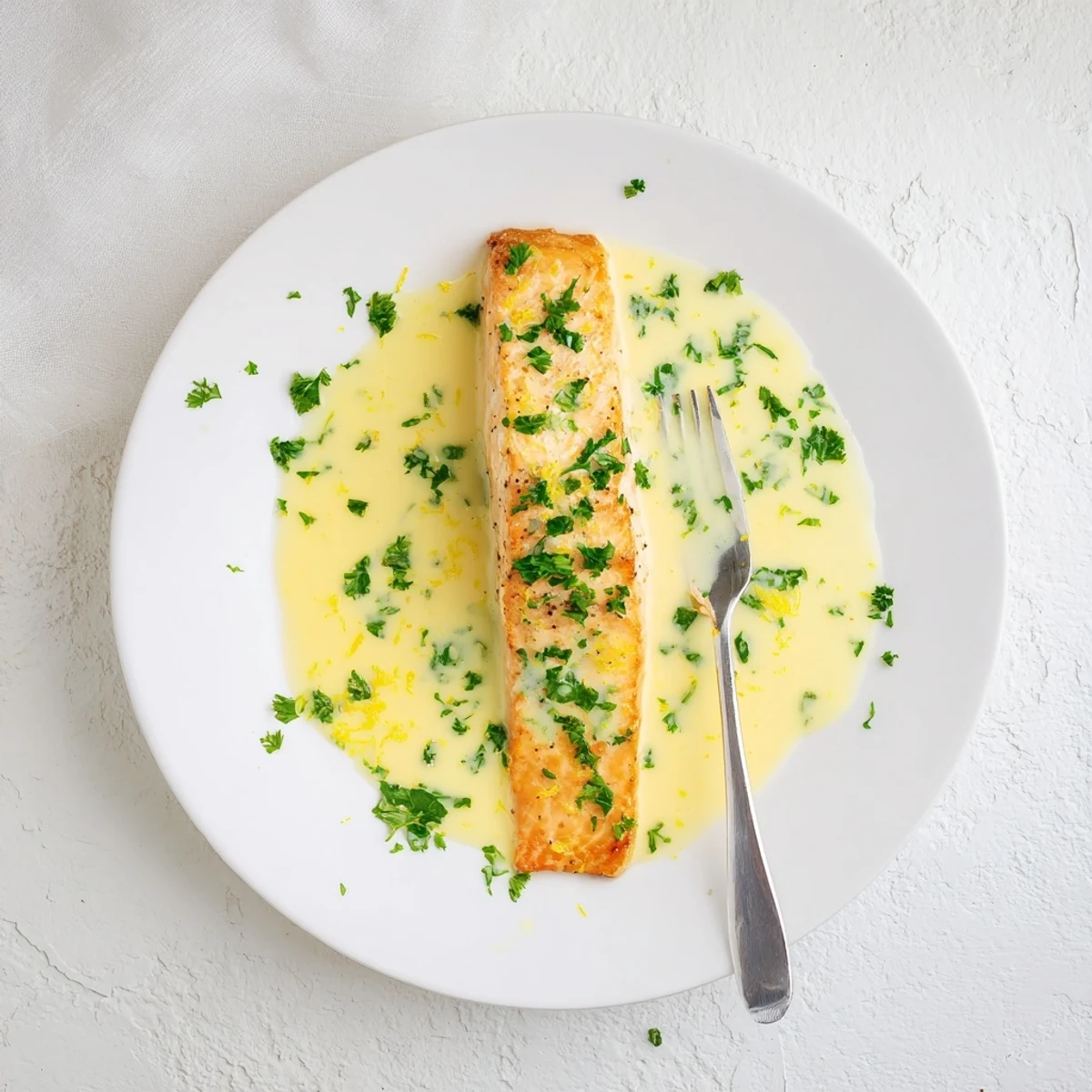
 That evening with Karen and her husband turned into an impromptu dinner party, with candles pulled from a drawer and a bottle of white wine someone had brought over months ago. The salmon glistening under its golden sauce looked almost too pretty to eat, but we devoured every last bite and scraped the pan clean with crusty bread.
What to Serve Alongside
This salmon pairs wonderfully with simple sides that soak up extra sauce, and my personal favorite is a pile of buttery mashed potatoes right next to it. Steamed green beans or roasted asparagus add a crisp contrast, and a mound of fluffy basmati rice works beautifully if you want something neutral to balance the richness.
Making It Lighter
If heavy cream feels too indulgent for a weeknight, half and half works surprisingly well though the sauce will be slightly thinner and less velvety. A splash of white wine added with the cream brings an extra layer of complexity and helps brighten the whole dish without adding richness.
Getting the Sear Right
The difference between pale salmon and that gorgeous golden crust comes down to patience and heat management, so let the pan get fully hot before the fish goes in and resist the urge to peek or move it around.
- Press the thickest part of the fillet gently to check doneness, as it should spring back slightly but still have a little give for medium.
- Let the salmon rest for a couple of minutes after cooking so the juices redistribute instead of running out onto the plate.
- Always start with room temperature fillets, as cold fish straight from the fridge will lower the pan temperature and ruin the sear.
 Pin it
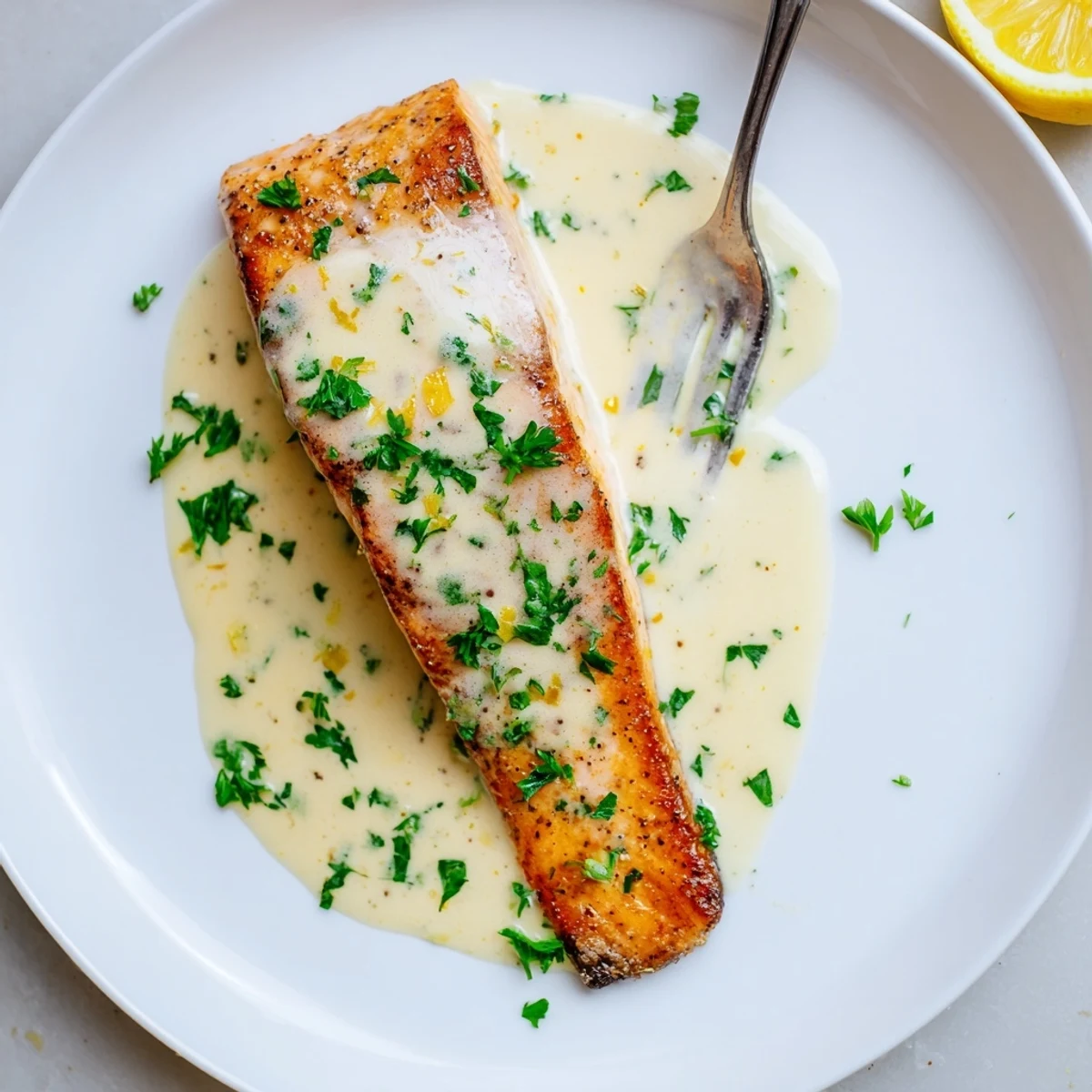
 Some recipes become staples because they are easy, but this one earned its place because it makes an ordinary evening feel like a celebration with almost no effort at all.
Recipe FAQs
- → How do I know when the salmon is cooked through?
-
The salmon is done when it flakes easily with a fork and reaches an internal temperature of 145°F (63°C). The flesh should turn from translucent to opaque throughout.
- → Can I use salmon with skin?
-
Absolutely! Cook the salmon skin-side down first for 4-5 minutes to achieve crispy skin, then flip carefully. The skin adds extra flavor and helps hold the fillet together.
- → What can I substitute for heavy cream?
-
Half-and-half works well for a lighter version. For a dairy-free option, try coconut cream, though it will add a subtle coconut flavor to the finished dish.
- → How do I prevent the sauce from curdling?
-
Keep the heat at medium or lower once you add the cream. Avoid boiling rapidly, and stir constantly while simmering. Room temperature cream also helps prevent separation.
- → What sides pair well with this salmon?
-
Steamed asparagus, roasted broccoli, or garlic green beans complement the rich sauce. For starch, try mashed potatoes, wild rice, or crusty bread to soak up extra sauce.
- → Can I make this ahead?
-
The sauce can be made 1-2 days ahead and gently reheated. However, salmon is best cooked fresh as reheating can dry it out. If meal prepping, store components separately.