
 Pin it
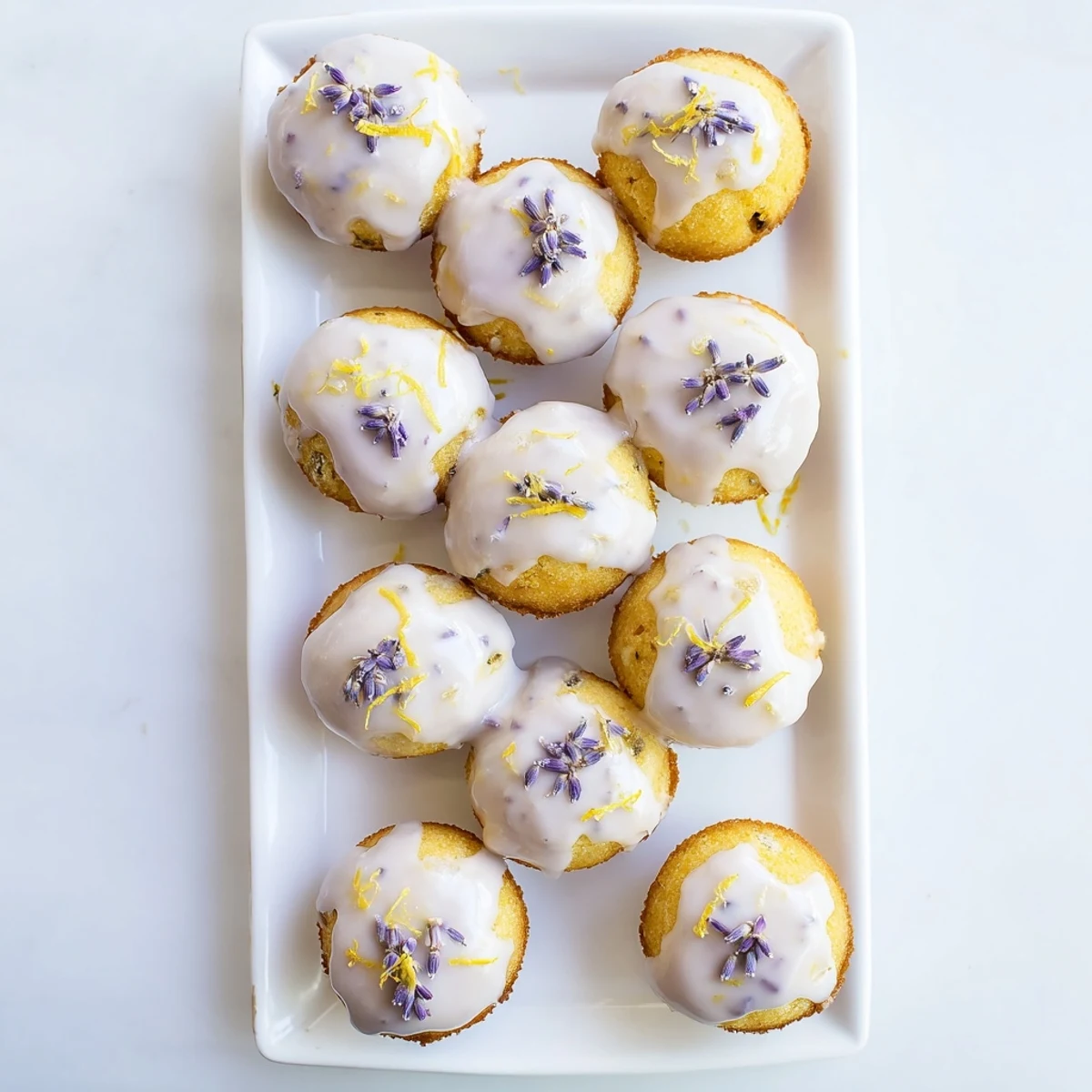
 These delicate mini lemon cakes combine bright citrus flavor with the subtle floral notes of lavender. The moist, tender crumb comes from creaming butter and sugar until light, then folding in fresh lemon juice and zest. A warm lavender-steeped milk glaze adds an elegant finishing touch that sets beautifully on each petite cake. Ideal for serving alongside Earl Grey tea or as a refined ending to brunch.
The lavender bushes in my grandmother's garden always seemed to be in bloom whenever I visited in June, their purple spikes swaying in the warm breeze. One afternoon, she surprised me by clipping a few sprigs and folding them into a simple glaze for store-bought cookies. That first bite—where the floral perfume met something sweet—made me realize lavender wasn't just for sachets or soap. Years later, when I started experimenting with lemon cakes, that memory came back in full force.
I first made these for a book club meeting when we were reading a novel set in Provence. Everyone was initially skeptical about edible lavender—someone even asked if it would taste like soap—but the moment they bit into the moist lemon crumb, the room went quiet. One friend actually asked for the recipe before she'd even finished her first cake, and now these little beauties make an appearance at every gathering we host.
Ingredients
- All-purpose flour: The structure for your delicate cakes—measure by weight if possible for consistent results.
- Granulated sugar: Sweetens and tenderizes the crumb while helping the cakes achieve that perfect golden dome.
- Unsalted butter: Room temperature butter incorporates air into the batter for a lighter texture—don't rush this step.
- Large eggs: Bind everything together and add richness—bring them to room temperature too for better emulsification.
- Whole milk: Adds moisture and fat for a tender crumb that stays fresh longer than fat-free versions.
- Freshly squeezed lemon juice: Bright acidity that cuts through the sweetness and enhances the lavender's floral notes.
- Lemon zest: Where all the concentrated lemon oils live—use a microplane and avoid the bitter white pith underneath.
- Baking powder: Gives these mini cakes their lift—make sure yours is fresh and active.
- Salt: A small amount balances the sweetness and amplifies all the other flavors.
- Pure vanilla extract: Rounds out the citrus and floral notes with warm, comforting undertones.
- Powdered sugar: Creates a smooth, pourable glaze that sets into a delicate finish.
- Milk: Thins the powdered sugar to the right consistency—add gradually until you reach your desired texture.
- Dried culinary lavender: The star of the show—make sure it's food-grade and not meant for potpourri or crafts.
- Lemon juice: Adds another layer of brightness to the glaze and helps it set properly.
Instructions
- Get your oven ready:
- Preheat to 350°F and generously grease your mini cake pans with butter or cooking spray.
- Whisk the dry ingredients:
- Combine flour, baking powder, and salt in a medium bowl so they're evenly distributed.
- Cream butter and sugar:
- Beat together until the mixture looks pale and fluffy—this creates tiny air pockets that make your cakes light.
- Add the eggs one at a time:
- Each egg should be fully incorporated before adding the next, then stir in the lemon zest, juice, and vanilla.
- Combine wet and dry:
- Add half the flour mixture, then the milk, then the remaining flour—mix gently until just combined to avoid tough cakes.
- Fill your pans:
- Divide the batter evenly among the molds, filling each about two-thirds full to allow room for rising.
- Bake until golden:
- Cook for 18 to 20 minutes until a toothpick comes out clean and the tops spring back when touched.
- Infuse the milk:
- Gently warm the milk with lavender over low heat, then let it steep for 5 minutes to extract that fragrant floral essence.
- Strain and make the glaze:
- Remove the lavender buds, then whisk the infused milk with powdered sugar and lemon juice until silky smooth.
- Glaze the cooled cakes:
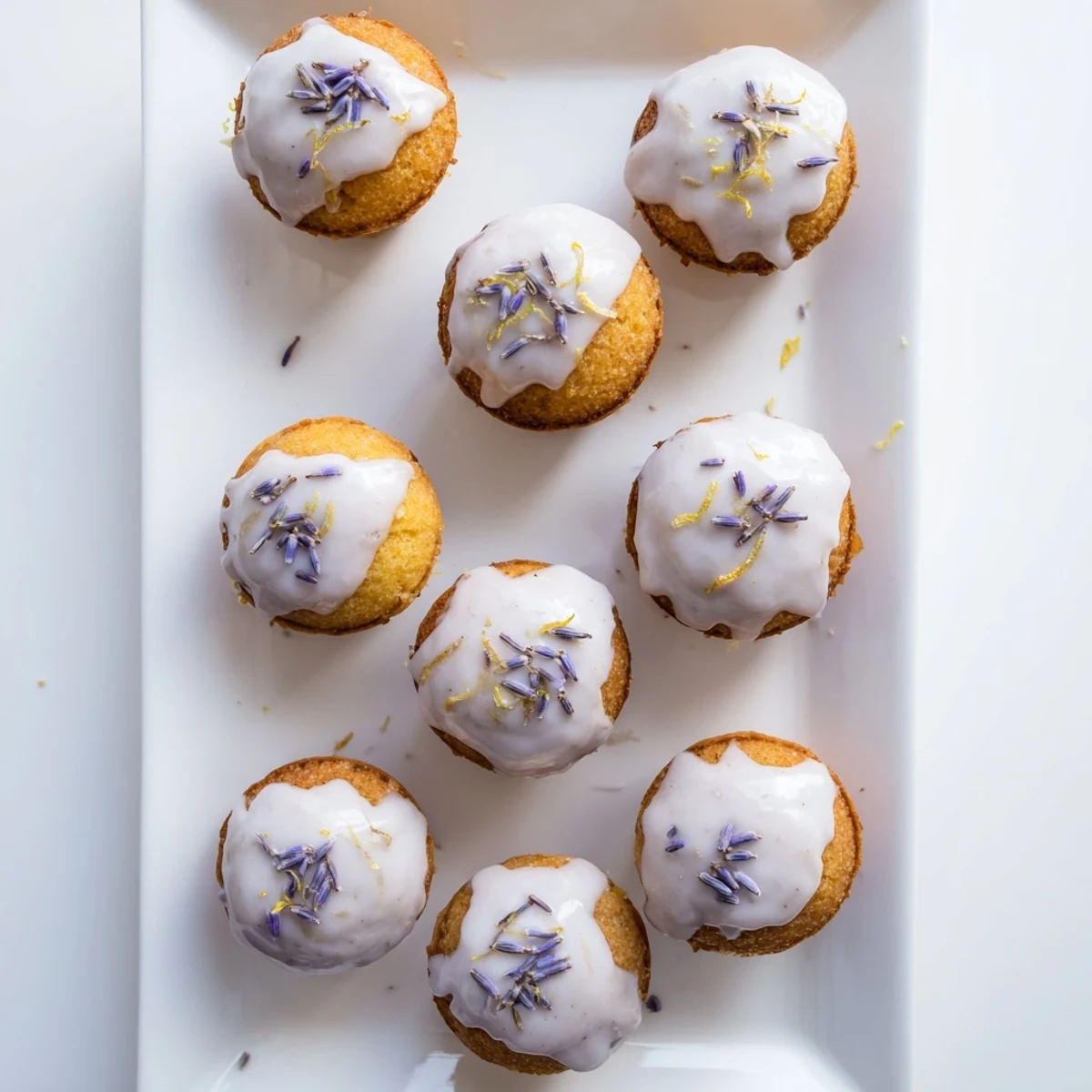
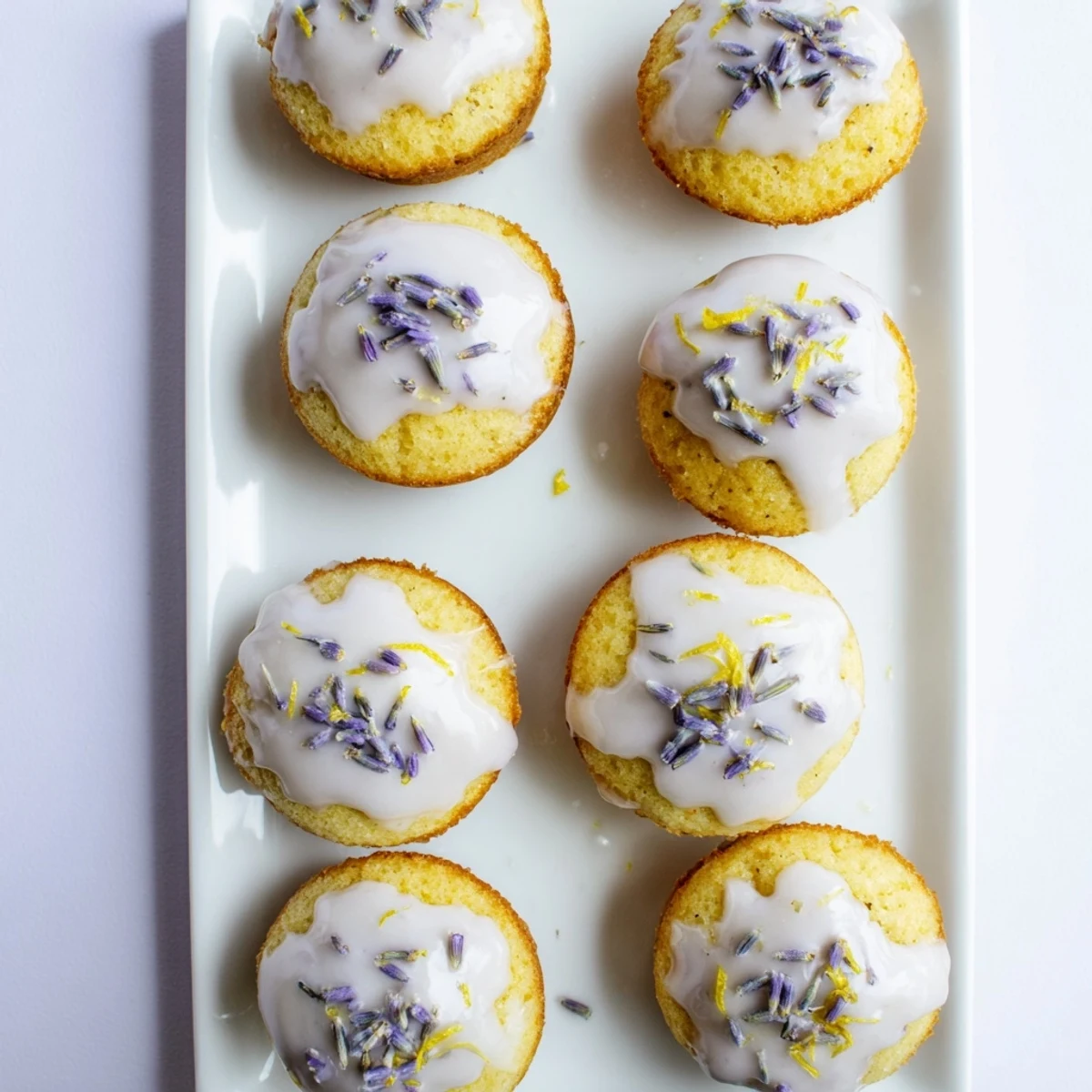
- Spoon the glaze over each mini cake, letting it drip down the sides, then garnish with extra lavender if you like.
 Pin it
 Last summer, my daughter asked if we could make these for her teacher appreciation luncheon. We spent a Sunday morning with the windows open, zesting lemons and carefully measuring lavender buds. When she came home, she told me her teacher had saved one to eat with her afternoon tea and said it was the most thoughtful gift she'd received all year.
Making These Ahead
I've learned these little cakes actually taste better the next day, once the lemon and lavender have had time to mingle and deepen. Bake and cool them completely, then store in an airtight container at room temperature for up to 24 hours. Make the glaze fresh when you're ready to serve—it only takes 5 minutes and tastes much better than reheated.
Serving Suggestions
These mini cakes shine brightest when served alongside something that complements their floral notes without overpowering them. I love them with Earl Grey tea, where the bergamot echoes the lavender, or a crisp sparkling wine for brunch. They're also lovely with fresh berries—the tartness of raspberries or blackberries plays beautifully against the sweet glaze.
Troubleshooting Your Glaze
Getting the glaze consistency right took me some practice, but now I know exactly what to look for. It should flow slowly from the spoon like warm honey—thick enough to coat the cakes without dripping off completely.
- If your glaze is too thick, add milk one teaspoon at a time until it reaches the right texture.
- Too thin? Whisk in another tablespoon of powdered sugar until it thickens up.
- Lumps in your glaze? Press it through a fine-mesh sieve for an absolutely smooth finish.
 Pin it
 These little lemon lavender cakes have become my go-to when I want to offer something that feels special and thoughtful without spending all day in the kitchen. There's something magical about watching someone take that first curious bite and seeing their face light up as the flavors unfold.
Recipe FAQs
- → Can I make these ahead of time?
-
Yes, bake the cakes up to 2 days ahead and store in an airtight container. Glaze just before serving for the freshest appearance and texture.
- → What type of lavender works best?
-
Use dried culinary lavender buds specifically meant for cooking. Craft or ornamental lavender may contain pesticides or have an unpleasant flavor.
- → Can I substitute the flour?
-
A 1:1 gluten-free flour blend works well. The texture may be slightly denser but still delicious with proper measuring.
- → How should I store these mini cakes?
-
Keep at room temperature for up to 2 days in a sealed container. For longer storage, refrigerate for up to 5 days or freeze unglazed for 3 months.
- → What if I don't like lavender?
-
Simply infuse the milk with fresh herbs like thyme or rosemary, or create a classic lemon glaze by adding extra lemon juice instead of lavender.