
 Pin it
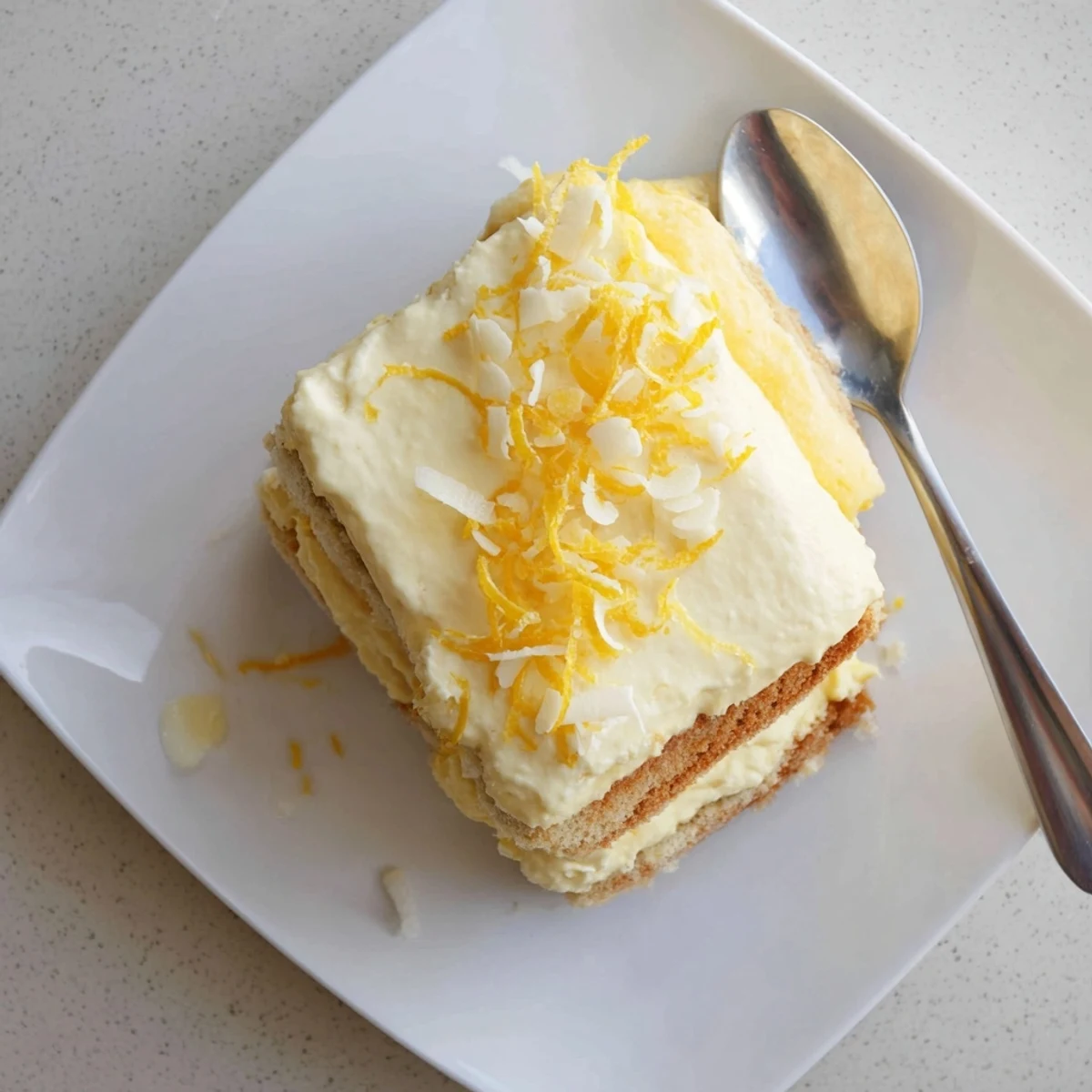
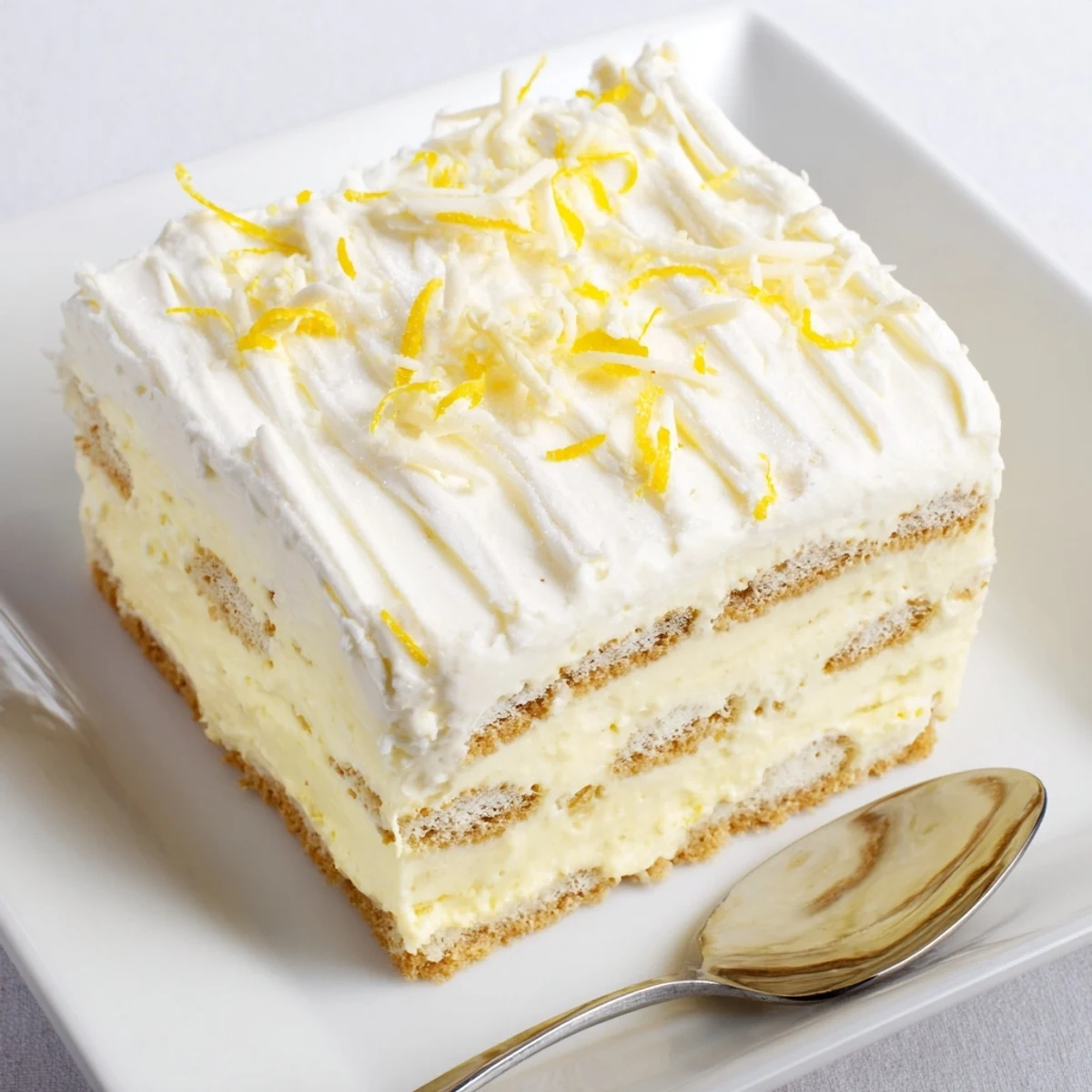
 This lemon tiramisu brings a bright, zesty twist to the beloved Italian classic. A silky mascarpone and heavy cream mixture gets infused with fresh lemon zest and juice, then layered between quickly dipped ladyfinger biscuits brushed with a homemade lemon syrup. After at least four hours of chilling, the flavors meld into something wonderfully tangy and refreshing. It comes together in just 25 minutes with zero baking, making it an ideal make-ahead dessert for summer gatherings or weeknight treats.
Last July, my kitchen was so hot I refused to turn on the oven for anything, and a friend had just brought lemons from her backyard tree. I figured tiramisu was already a no bake situation, so why not swap the coffee for something that actually tasted like summer.
I brought this to a rooftop dinner once and watched three people who claimed they didn't like tiramisu go back for seconds. One of them actually asked if I would make it for her birthday, which felt like the highest compliment a dessert can get.
Ingredients
- Mascarpone cheese: Keep it genuinely cold or it will turn grainy when you whisk it, a mistake I made twice before learning
- Heavy cream: Cold cream whips faster and holds its shape better in the lemon mixture
- Granulated sugar: This sweetens the cream just enough to balance the sharp citrus without drowning it
- Lemon zest: Use a microplane and stop before you hit the bitter white pith, it changes everything
- Freshly squeezed lemon juice: Bottled juice tastes flat next to the real thing, no comparison
- Vanilla extract: A small amount rounds out the lemon flavor so it tastes complete
- Ladyfinger biscuits: Savoiardi hold up to dipping without collapsing into mush
- Lemon syrup: This is what makes each bite moist and infused with flavor
- Water, lemon juice, and sugar for syrup: Simple ratio that dissolves easily and cools fast
- Lemon zest for garnish: A final sprinkle of brightness on top that also looks beautiful
- White chocolate curls or mint leaves: Completely optional but they add a finishing touch people notice
Instructions
- Whisk together the lemon syrup:
- Combine water, lemon juice, and sugar in a small saucepan over low heat, stirring until the sugar fully dissolves. Set it aside to cool completely because warm syrup will make the ladyfingers fall apart.
- Whip up the lemon cream:
- In a large bowl, beat the cold mascarpone, heavy cream, sugar, lemon zest, lemon juice, and vanilla extract until the mixture is thick and holds soft peaks. Do not overmix or the cream will start to separate and get grainy.
- Dip and layer the first row of ladyfingers:
- Quickly dip each ladyfinger into the cooled syrup for about one second per side, then arrange them snugly in a single layer at the bottom of your dish. The biscuits should feel slightly damp, not soggy.
- Spread on half the cream:
- Scoop half of the lemon cream over the ladyfinger layer and spread it evenly with a spatula, working gently so you don't pull the biscuits around.
- Build the second layer:
- Repeat with another round of quickly dipped ladyfingers, then cover with the remaining lemon cream, smoothing the top so it looks clean.
- Chill until set:
- Cover the dish tightly with plastic wrap and refrigerate for at least four hours, though overnight makes the flavors meld beautifully and the texture firms up perfectly.
- Garnish and serve:
- Right before serving, add a scattering of fresh lemon zest and tuck on any white chocolate curls or mint leaves you want to use. Serve it cold straight from the dish.
 Pin it
 My mother in law tried this at a Sunday lunch and quietly ate two portions before asking for the recipe. She is not someone who asks for recipes, so I knew something had landed right.
Picking the Right Lemons
Thin skinned lemons with a slight give when you squeeze them tend to have more juice and oil in the zest. I always roll them on the counter first to break up the segments inside before juicing.
Getting the Dip Right
The biggest variable in this whole recipe is how long each ladyfinger spends in the syrup. I set a timer on my phone for one second because my instinct always tells me to leave it in longer than needed.
Serving It Like You Mean It
Let the dish sit on the counter for about five minutes after taking it out of the fridge so the cream softens slightly before cutting. A hot knife dipped in water between slices gives you cleaner edges for plating.
- White chocolate curls melt fast in warm rooms so add them at the very last second
- A small glass of limoncello alongside turns this into an actual Italian experience
- Leftovers keep well for two days in the fridge if you can resist going back for more
 Pin it
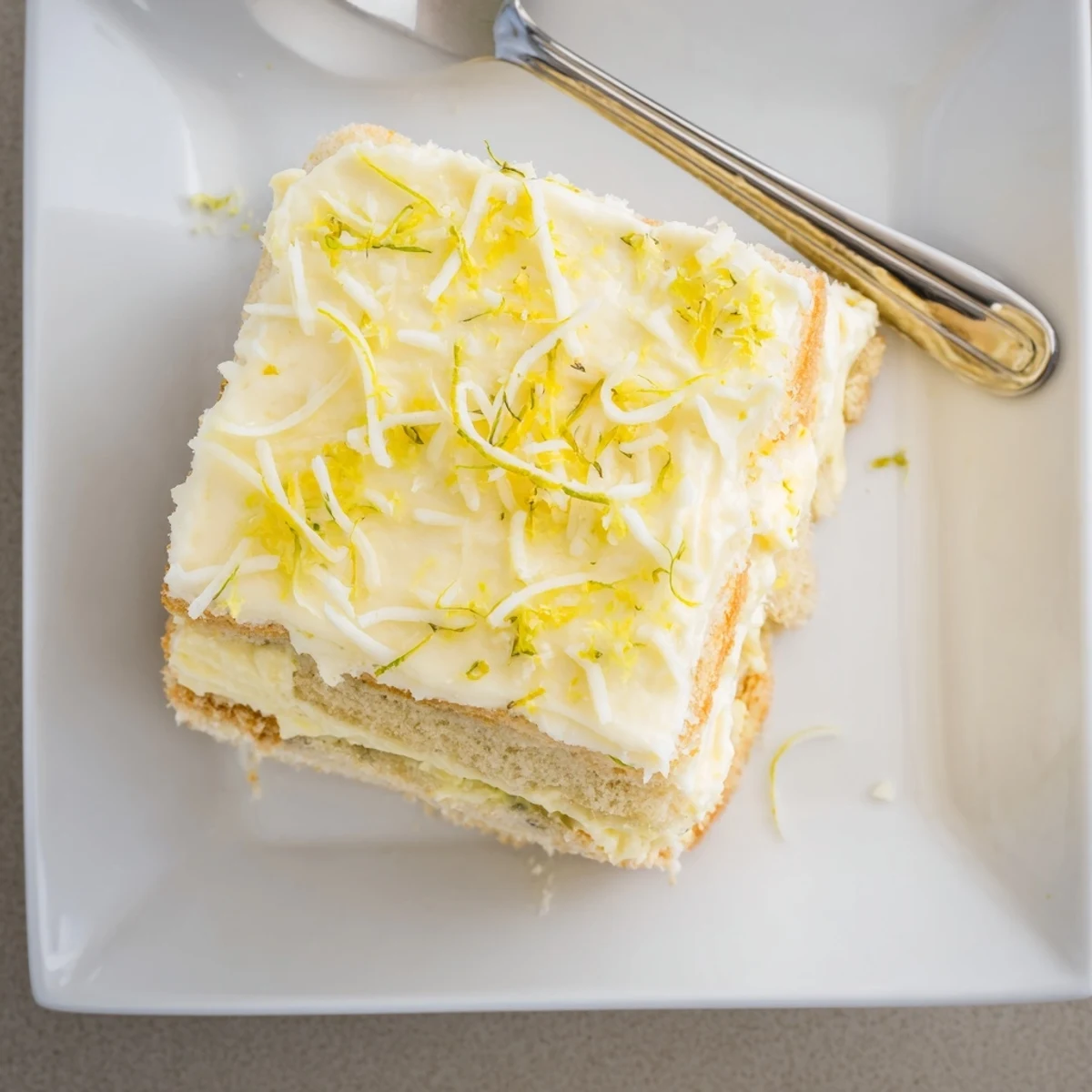
 This is the dessert that proves you don't need an oven or hours of labor to make something people remember. Sometimes the best thing you can do for a meal is let the fridge do the hard work.
Recipe FAQs
- → Can I make lemon tiramisu ahead of time?
-
Yes, in fact it tastes best when prepared at least 4 hours ahead or even overnight. The chilling time allows the flavors to fully develop and the layers to set properly.
- → What can I use instead of ladyfingers?
-
You can substitute sponge cake cut into thin slices or pound cake slices. Just make sure to dip them lightly in the lemon syrup so they hold together without becoming soggy.
- → Is it possible to make this gluten-free?
-
Absolutely. Simply swap regular ladyfingers for certified gluten-free ladyfingers, and double-check that all other ingredients are processed in a gluten-free facility.
- → Can I add limoncello to the lemon syrup?
-
Yes, a splash of limoncello pairs beautifully with the lemon flavors. Add about 2 tablespoons to the cooled syrup before dipping the ladyfingers.
- → How should I store leftover lemon tiramisu?
-
Keep it covered with plastic wrap in the refrigerator for up to 3 days. The texture holds up well, and the citrus flavors may even intensify slightly over time.
- → Why shouldn't I soak the ladyfingers for too long?
-
Briefly dipping the ladyfingers prevents them from falling apart and turning mushy. A quick one-second dip on each side is enough to soften them without compromising the structure of the layers.