
 Pin it
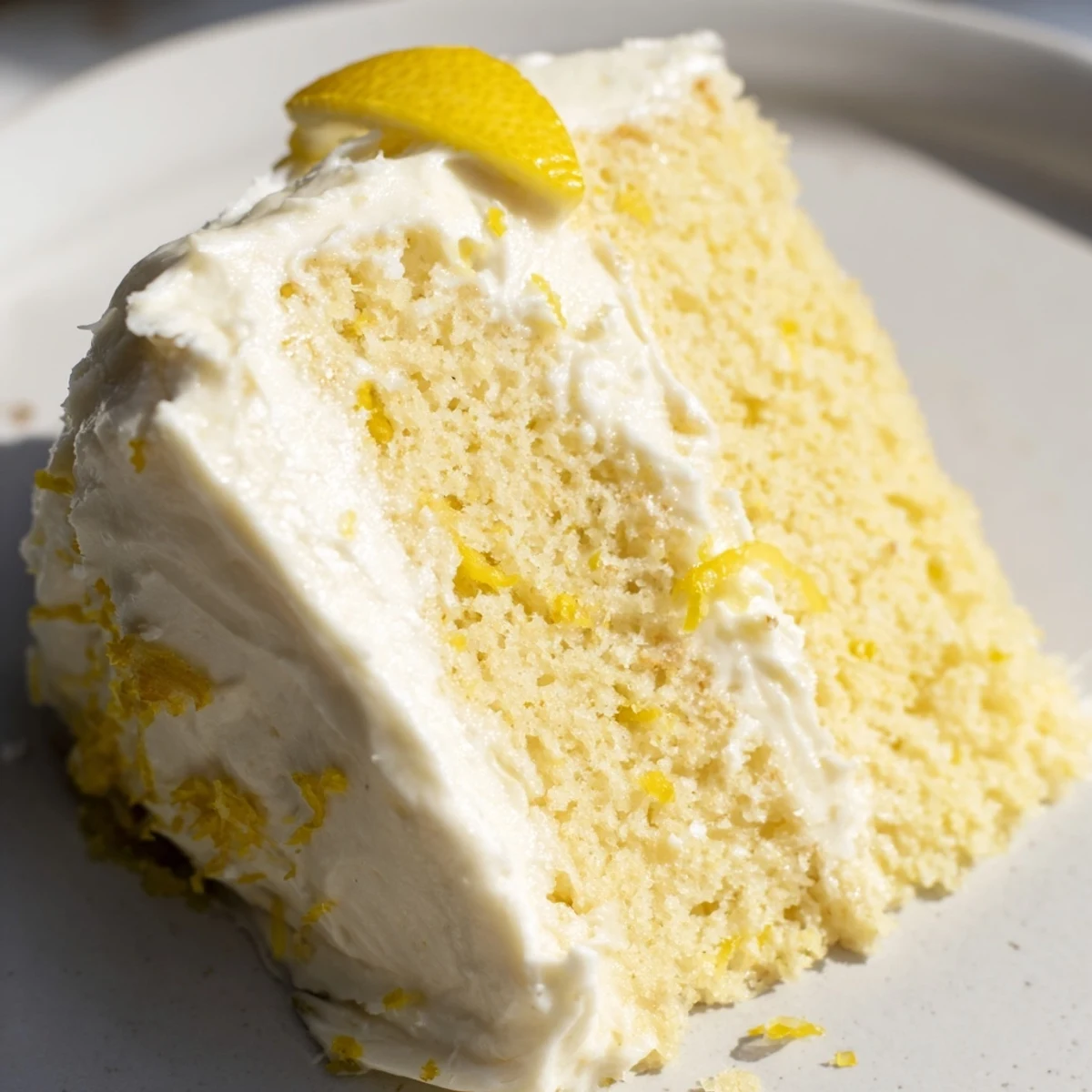
 This moist lemon dessert features a tender crumb infused with fresh juice and zest. After baking until golden, let the layers cool completely before topping. The frosting blends soft butter with powdered sugar and tart lemon for a smooth finish. Whip until creamy, spread generously, and slice into squares for a refreshing treat.
My neighbor brought over a lemon cake one Saturday afternoon, and I watched her slice into it—the way the frosting caught the light made me want to learn how to make it myself. The first time I tried, my kitchen filled with that bright, almost sharp lemon smell, and I realized how much a single citrus fruit could transform something simple into something memorable. Now whenever I make this cake, I'm chasing that same feeling: the balance of tart and sweet, the creamy frosting that melts on your tongue, the way people's faces light up when they taste it.
I made this for my sister's book club, and she served it with tea while everyone sat around her kitchen island. One of her friends asked for the recipe, then another, and suddenly I was writing it down on napkins. That moment—when people stop talking just to compliment the cake—that's what this recipe does.
Ingredients
- All-purpose flour (1 1/2 cups): The foundation of tenderness; make sure it's not packed down when you measure it.
- Granulated sugar (1 cup): Creates structure and helps the cake rise; don't skip the creaming step with butter.
- Unsalted butter (1/2 cup, softened): Softness matters here—it won't incorporate properly if it's cold, but melted butter makes a dense cake.
- Large eggs (2): Room temperature eggs blend more smoothly into the batter and create a better crumb.
- Whole milk (1/2 cup): Adds moisture and tenderness; don't substitute with water.
- Fresh lemon juice (1/4 cup): Use juice from actual lemons, not concentrate—the difference is noticeable and worth it.
- Lemon zest (1 tablespoon): This is where the real lemon personality comes from; zest just before using for maximum fragrance.
- Baking powder (1 1/2 teaspoons): Essential for lift; make sure yours is fresh and hasn't been sitting in your cabinet for two years.
- Salt (1/4 teaspoon): A small amount that enhances all the other flavors without making anything taste salty.
- Vanilla extract (1 teaspoon): Rounds out the flavor profile and prevents the lemon from becoming one-dimensional.
- Powdered sugar (2 cups, for frosting): Sift it first, always—lumps will show in your frosting no matter how hard you beat.
- Unsalted butter (1/2 cup, for frosting): Creaming this until pale and fluffy is the secret to smooth, not grainy frosting.
- Milk (1–2 tablespoons, for frosting): Add gradually to reach the right consistency; too much makes it runny, too little makes it stiff.
Instructions
- Get your oven ready and prepare the pan:
- Preheat to 350°F and grease an 8-inch square pan with parchment paper, leaving a little overhang so the cooled cake lifts out easily. Room temperature matters for even baking.
- Combine the dry ingredients:
- Whisk flour, baking powder, and salt together in a medium bowl. This distributes the leavening evenly throughout the batter so you don't end up with dense pockets.
- Cream butter and sugar together:
- Beat the softened butter with sugar for about 2–3 minutes until it's pale and fluffy—this incorporates air that helps the cake rise. Stop occasionally to scrape down the bowl.
- Add eggs one at a time:
- After each egg, beat well so it fully combines before adding the next one. This creates a stable emulsion that keeps the cake tender.
- Mix in the lemon flavors and vanilla:
- The zest, juice, and vanilla go in now, just after the eggs. The mixture might look slightly curdled—that's fine.
- Alternate adding dry and wet ingredients:
- Start with flour, then milk, then flour again, ending with flour. Mix gently—overmixing develops gluten and makes the cake tough instead of tender.
- Pour and bake:
- Spread the batter evenly in the pan and bake for 30–35 minutes until a toothpick comes out clean. The center should spring back slightly when you touch it.
- Cool with patience:
- Let it rest in the pan for 10 minutes (this helps it set), then turn it out onto a rack to cool completely before frosting. A warm cake melts frosting.
- Make the frosting:
- Beat softened butter until creamy, gradually add sifted powdered sugar, then the lemon juice, zest, and vanilla. Add milk a little at a time until it spreads like butter.
- Frost and serve:
- Spread frosting evenly over the cooled cake, slice into eight pieces, and watch people enjoy it.
 Pin it
 There's something about the smell of lemon zest hit by heat that makes people feel like they're in a real bakery, not someone's home kitchen. I've learned that food tastes better when it smells like care and intention, and this cake delivers both.
The Lemon Advantage
Lemon has this magic quality where it makes everything taste brighter and fresher, even when you're eating a rich, buttery cake. The acid in the juice cuts through sweetness in a way that makes you want another bite instead of feeling overstuffed after one. I've served this cake at summer picnics and winter holiday parties, and it always feels exactly right because lemon works in any season.
Storage and Make-Ahead Tips
This cake actually improves on the second day when the flavors have settled and become more integrated. You can bake the cake a day ahead and frost it fresh, or frost everything and store it together—it stays moist in an airtight container for up to three days at room temperature or five days in the fridge. If you're bringing it somewhere, frost it in a cake carrier so the frosting doesn't get damaged in transit.
Variations and Personal Touches
Once you nail the basic recipe, this cake becomes a canvas for your own ideas. Some people add a thin glaze made from powdered sugar and lemon juice on top of the frosting for extra tartness, while others prefer candied lemon slices on top for visual appeal. You can also make it slightly more sophisticated by adding a whisper of almond extract alongside the vanilla, or by replacing a tablespoon of milk with buttermilk for additional tang.
- For a sharper lemon flavor, add an extra teaspoon of zest to the batter and frosting.
- If you want to make it smaller or larger, this recipe scales easily—just adjust baking time accordingly and use a different sized pan.
- Leftover frosting keeps in the fridge for up to a week and can top cookies, muffins, or serve as a spread for toast if you're the type to raid the fridge at midnight.
 Pin it
 This is the kind of cake that becomes part of your cooking routine, the one you make when you want to feel like yourself in the kitchen. It's forgiving enough for beginners but refined enough to impress people who actually know good cake.
Recipe FAQs
- → Can I use bottled lemon juice?
-
Fresh lemon juice is recommended for the best zesty flavor, but bottled juice can be used if necessary.
- → How should I store leftovers?
-
Keep in an airtight container at room temperature for up to three days or refrigerate for five days to maintain freshness.
- → Can I make the batter ahead of time?
-
It is best to bake the batter immediately. However, you can bake the cake a day early and frost it closer to serving time.
- → How do I know when it is done?
-
Insert a toothpick into the center; if it comes out clean or with just a few moist crumbs, it is ready to remove from the oven.
- → Can I add poppy seeds?
-
Yes, stirring in one to two tablespoons of poppy seeds adds a nice texture and crunch to the batter.