
 Pin it
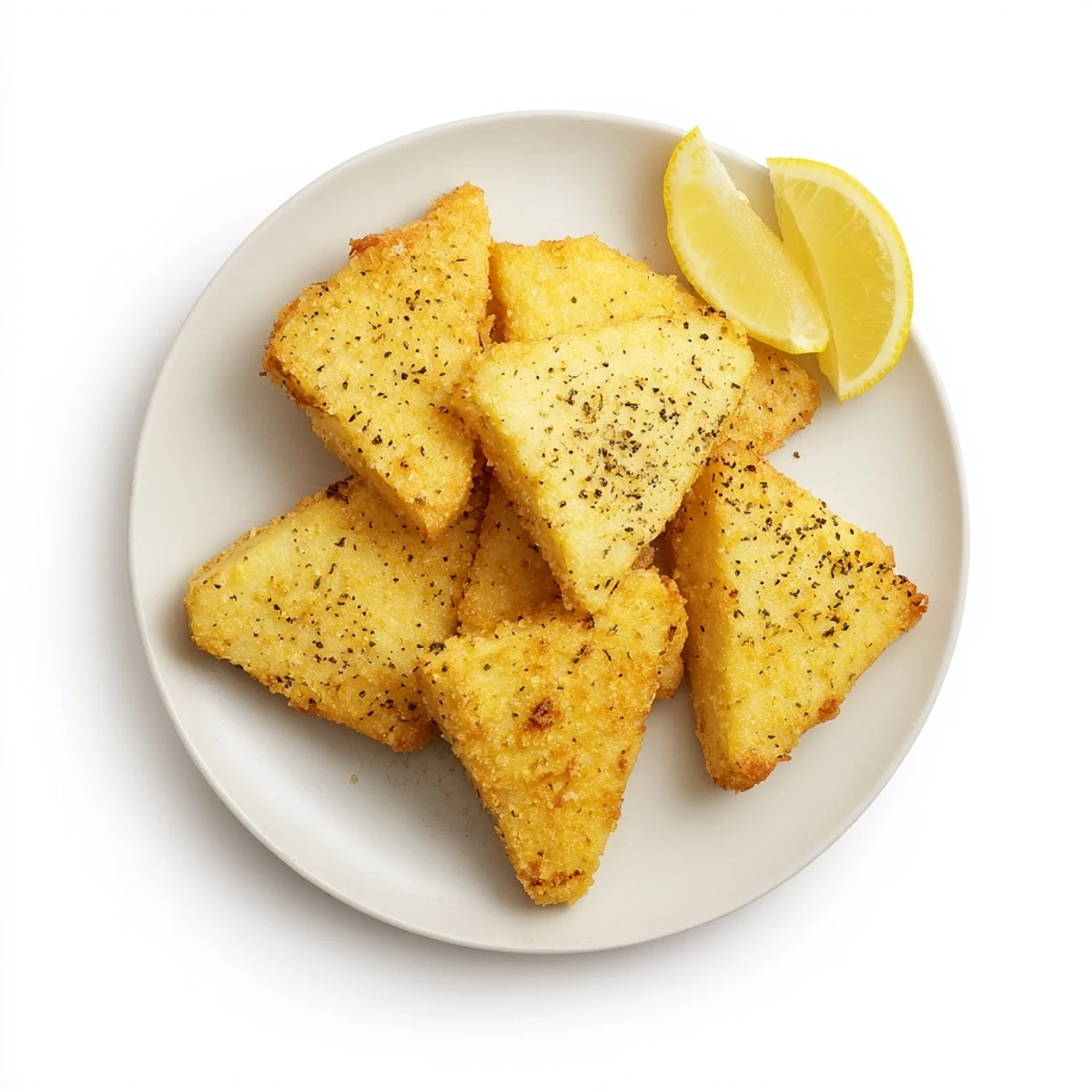
 Experience the perfect contrast of textures with this beloved Greek specialty featuring a crisp golden coating that gives way to warm, melting cheese inside. Ready in under 20 minutes, this dish delivers authentic Mediterranean flavors with minimal effort.
The preparation requires simple pantry staples and your choice of traditional Greek cheeses. The key lies in achieving that perfect golden crust while ensuring the interior remains soft and oozing. Serve immediately with fresh lemon wedges for the classic bright finish that balances the rich cheese.
The first time I watched a taverna owner in Athens make Saganaki, I was mesmerized by the sound of sizzling cheese hitting hot oil and the way everyone at nearby tables turned their heads toward that unmistakable aroma. Now whenever I make this at home, that same sound transports me straight back to whitewashed walls and blue doors.
Last summer I made this for friends who swore they didnt like fried cheese, and they ended up hovering around the pan asking when the next batch would be ready. Something about that squeeze of fresh lemon right at the end cuts through the richness and keeps everyone coming back for more.
Ingredients
- 250 g firm Greek cheese: Kefalotyri and Graviera are traditional choices that hold their shape beautifully, but Halloumi works perfectly too and is easier to find
- 80 g flour: This creates that essential crispy shell, and using glutenfree flour works just as well if needed
- Freshly ground black pepper: Just a subtle kick in the coating pairs wonderfully with the salty cheese
- 3 tbsp olive oil: The oil needs to be hot enough to create an instant seal, keeping the cheese from melting into the pan
- Lemon wedges: This bright squeeze is nonnegotiable, it cuts the richness and makes the whole dish sing
Instructions
- Prep your cheese:
- Cut the cheese into thick slices about half an inch thick, then pat each piece dry with paper towels to remove any surface moisture
- Coat the slices:
- Spread seasoned flour on a plate and press each cheese slice into it, coating both sides evenly before shaking off any excess
- Heat the oil:
- Warm olive oil in a nonstick skillet over mediumhigh heat until it shimmers, about 2 minutes
- Fry to golden:
- Carefully add cheese slices and fry for 1 to 2 minutes per side until deep golden brown and crisp
- Serve immediately:
- Transfer to paper towels to drain briefly, then serve hot with fresh lemon wedges for squeezing over the top
 Pin it
 This recipe has saved me more times than I can count when unexpected guests arrive, and it always feels impressive despite being so incredibly simple to pull together.
Choosing Your Cheese
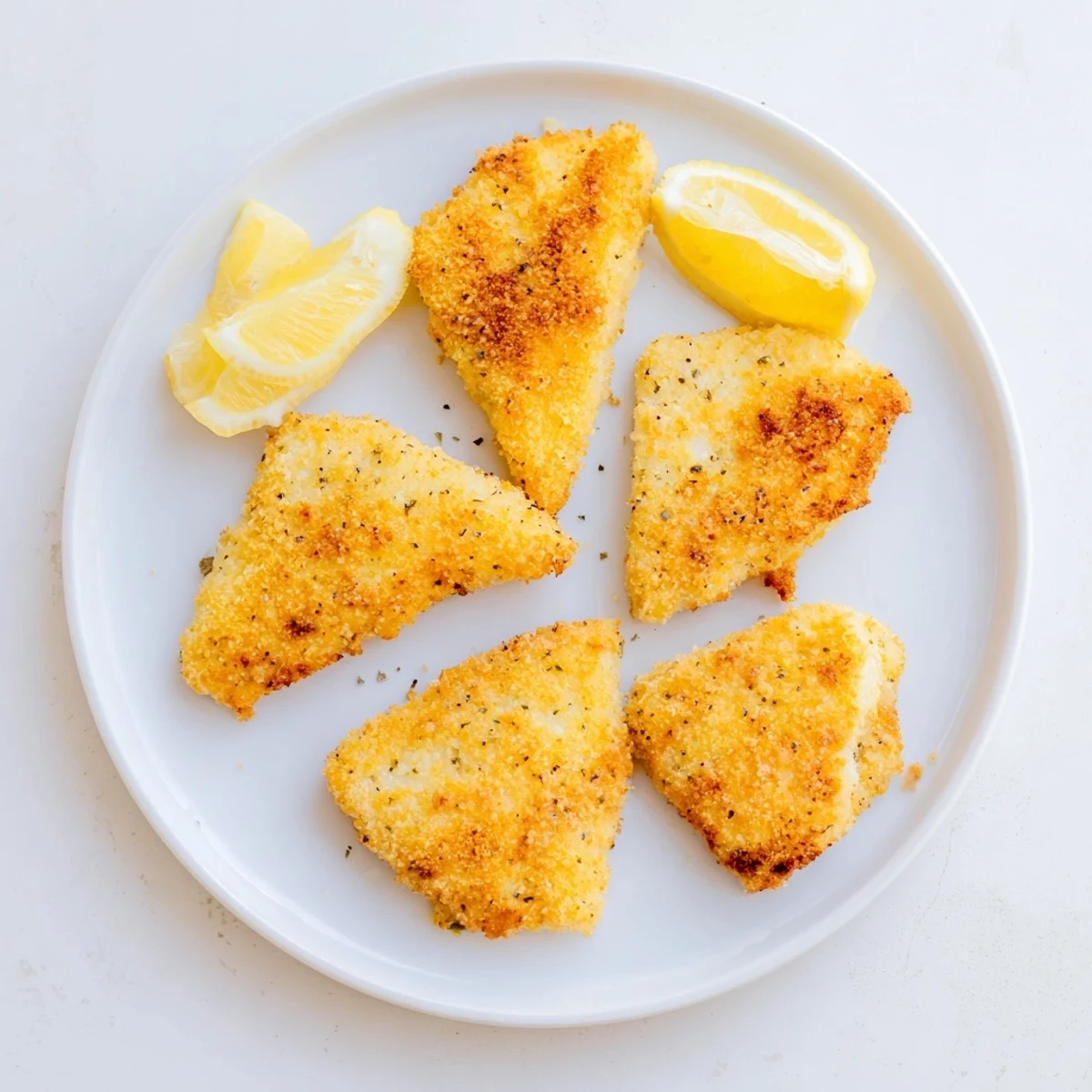
I have experimented with every salty cheese I could find, and while traditional Greek cheeses have the best flavor profile, the key is finding something firm enough to hold its shape without turning into a puddle in the pan.
Getting That Perfect Crunch
The oil temperature matters more than anything else, and I always test it with a tiny piece of cheese first, listening for that immediate sizzle that tells me the pan is ready to work its magic.
Serving Ideas
Sometimes I scatter dried oregano over the hot cheese right before serving, and other times a light drizzle of honey creates this incredible sweet and salty moment. Pour some cold ouzo or a crisp white wine and suddenly you are not just cooking, you are hosting.
- Try crumbling the leftovers over a Greek salad the next day
- The flour coating works even better if you let the cheese sit for 5 minutes after coating
- Never skip the lemon, it is what makes the dish complete
 Pin it
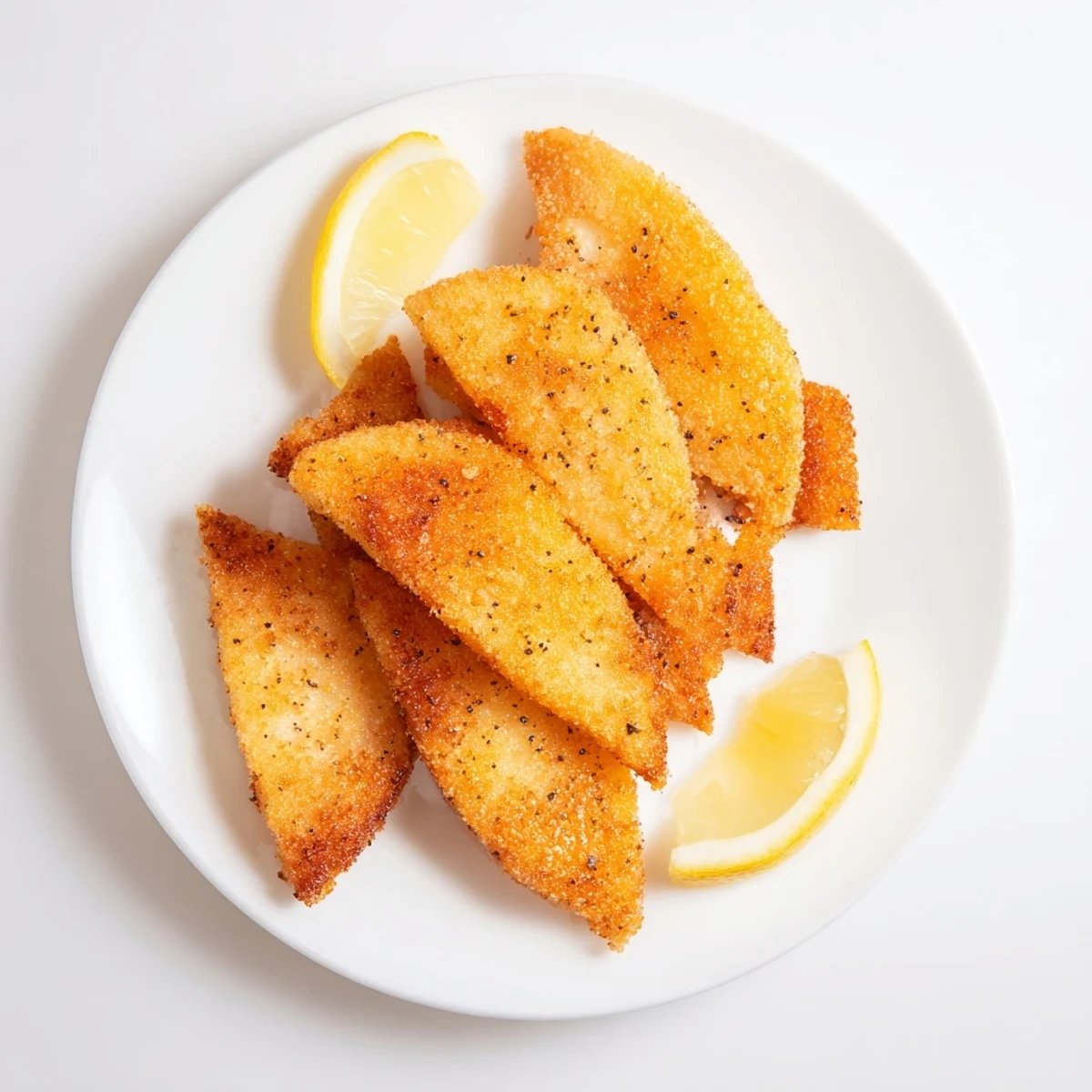
 Every time I make this, I am reminded that the simplest recipes are often the ones that bring the most joy to the table.
Recipe FAQs
- → What type of cheese works best for frying?
-
Firm cheeses like Kefalotyri and Graviera are traditional Greek choices that hold their shape beautifully while developing a golden exterior. Halloumi makes an excellent alternative with its high melting point, while firm feta can work though it becomes softer. The key is selecting a cheese that maintains structure when heated.
- → How do I prevent the coating from falling off during frying?
-
Pat the cheese slices thoroughly dry before dredging to help the flour adhere properly. Shake off excess flour after coating rather than leaving thick layers, which can detach. Ensure the oil is sufficiently hot before adding the cheese—this quickly seals the coating. Avoid moving the pieces too frequently during the first minute of cooking.
- → Can I make this ahead of time?
-
This dish is best enjoyed immediately after cooking while the coating remains crispy and the interior is perfectly melted. The cheese can be sliced and dredged in advance, then stored in the refrigerator until ready to fry. However, once cooked, the texture diminishes as it sits, so serve hot directly from the pan for optimal results.
- → What oil should I use for frying?
-
Extra virgin olive oil is traditional and adds authentic Mediterranean flavor while handling medium-high heat well. If you prefer a more neutral taste, avocado oil or refined coconut oil work excellently. The key is using enough oil to create a shallow fry effect without submerging the cheese completely.
- → What are the best serving suggestions?
-
Fresh lemon wedges are essential—their bright acidity perfectly balances the rich, salty cheese. For an authentic Greek experience, pair with chilled white wine or ouzo. The dish also pairs beautifully with warm pita bread, olives, and tzatziki. Some enjoy drizzling honey or sprinkling dried oregano over the hot cheese for extra depth.