
 Pin it
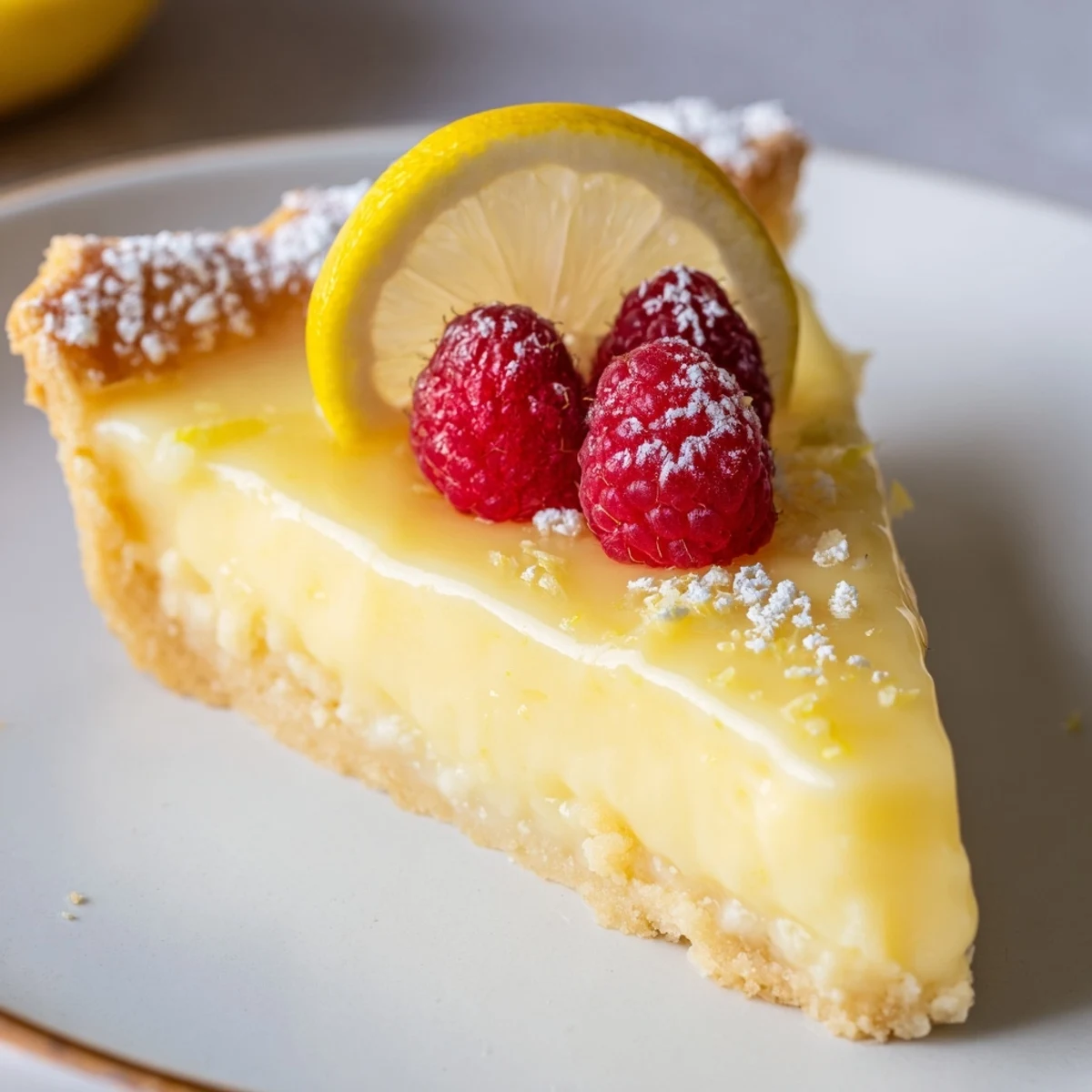
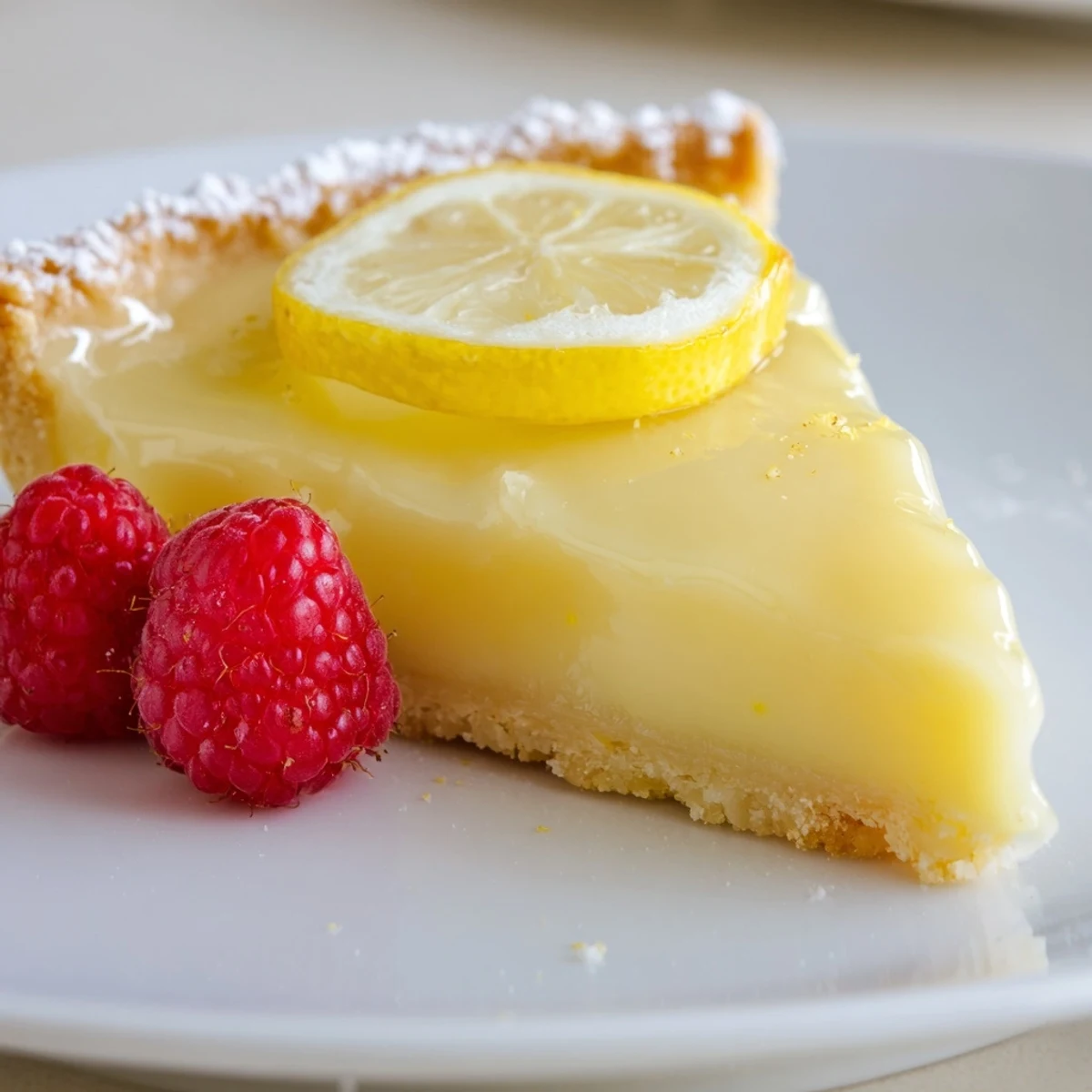
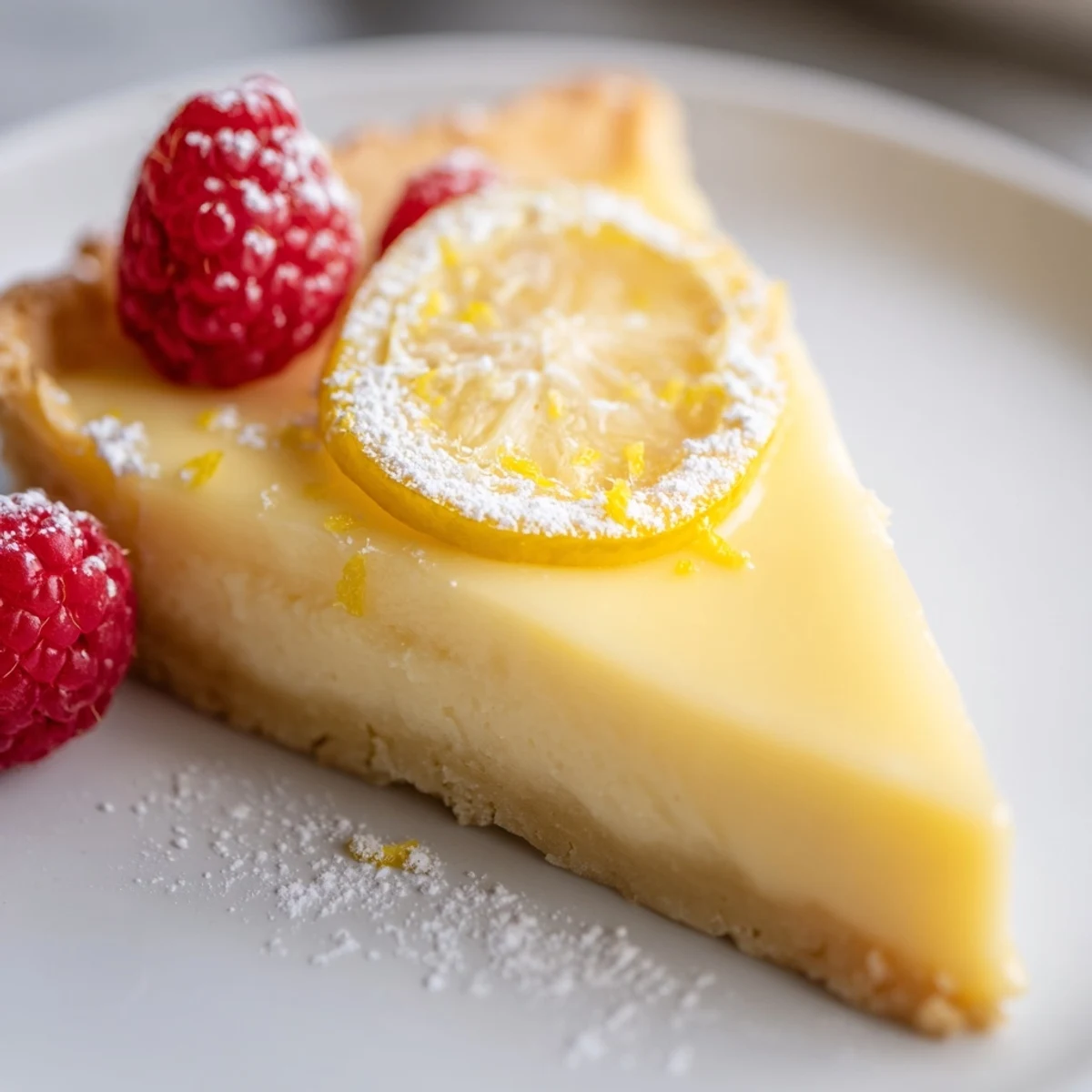
 This tart pairs a crisp, buttery shortcrust with a silky lemon custard: zest and fresh juice whisked into eggs, cream and sugar, baked gently at 300°F until set at the edges, then chilled for a clean, firm slice. Blind-bake the shell for a golden base, finish with powdered sugar or berries, and serve well chilled.
On the day I decided to tackle this lemon tart, sunlight spilled through my kitchen window and painted everything gold. The sound of my rolling pin thumping against the counter brought a rhythm to my afternoon, punctuated every so often by the zingy scent of freshly grated lemon. For a brief moment, it felt like the air itself was charged with citrus, and I couldn't help but sneak a taste of the tart filling before it even hit the oven. There&aposs a certain quiet joy in waiting for a dessert to chill, knowing the reward is worth it.
I remember serving this tart after a long spring lunch, with friends crowding around my little dining table. We all leaned in over our plates, and someone absently dusted more powdered sugar on top until laughter sent a sweet cloud into the air. Watching everyone sneak just one more forkful, I realized this was one of those recipes that quietly becomes a tradition.
Ingredients
- All-purpose flour: This forms the essential base for a crisp tart crust—I like to fluff it with a fork before measuring for accuracy.
- Powdered sugar: Key for creating delicate sweetness and a smooth finish in the crust.
- Salt: Just a pinch deepens the flavors so the sweetness doesn&apost go flat.
- Unsalted butter: Cold, cubed butter gives that crave-worthy, flaky bite in every spoonful of crust.
- Egg yolk: Adds richness and binding—using only the yolk keeps the pastry tender.
- Cold water: I always add it slowly—too much, and you lose that perfect, crumbly dough texture.
- Heavy cream: The secret to a filling that&aposs lush without being too dense.
- Granulated sugar: Balances the sharpness of the lemons perfectly.
- Eggs and egg yolks: Both bring body and silkiness to the filling—don&apost skip the extra yolks.
- Lemon zest: Rubbing the zest into the sugar first makes the whole kitchen smell irresistible.
- Lemon juice: Only fresh lemons for this tart—the bottled stuff just doesn&apost sing.
- Pinch of salt: Just a pinch again (it matters!) to highlight the lemon&aposs brightness.
- Powdered sugar, fresh berries, or candied lemon slices (for garnish): The final touch, making the tart look as good as it tastes.
Instructions
- Warm up the oven:
- Preheat your oven to 350°F (175°C) while you gather your ingredients—the kitchen should already feel cozier.
- Blend the crust:
- Pulse flour, powdered sugar, and salt in a food processor until they look like pale sand, then add the cubes of cold butter and pulse again; you&aposs looking for small, buttery flecks.
- Bring dough together:
- Crack in the egg yolk, drizzle in cold water, and pulse just until the dough clumps up—don&apost dare over-mix, or you&apoll lose that glorious texture.
- Chill, roll, and shape:
- Turn the dough onto a lightly floured counter, pat into a disk, then wrap up and let it rest in the fridge for a half hour.
- Press and freeze:
- Roll the chilled dough out thin and gently nudge it into your tart pan—trimming edges and pricking the base is a strangely satisfying step, and freezing it helps keep everything sharp while it bakes.
- Blind bake:
- Line with parchment, fill with pie weights, and bake 15 minutes; then remove weights and bake until the hint of golden brown whispers that it&aposs ready.
- Prep filling:
- Reduce oven to 300°F (150°C); in a bowl, whisk cream, sugar, eggs, yolks, zest, juice, and salt together until pale and smooth—it should catch the light just so.
- Fill and bake again:
- Pour the glossy filling into the warm crust, bake 20–25 minutes until the center jiggles slightly when nudged but doesn&apost slosh.
- Cool and chill:
- Let cool to room temperature before chilling at least an hour—the waiting is tough but essential for silky slices.
- Finish and serve:
- Dust with powdered sugar and crown with berries or candied lemon just before serving—stand back to admire your handiwork.
 Pin it
 One evening, after a day of stubborn rain, I quietly plated a wedge of this lemon tart for someone who&aposs had a tough week. Watching them pause after the first bite, then smile—just a little—was better than any compliment I could ask for.
Choosing the Right Lemons
Using freshly picked lemons will give the tart a punch that store-bought lemons sometimes lack—sharp and floral at the same time. If they look glossy and feel heavy for their size, you know you&apove hit the jackpot. Be sure to zest before you juice; it saves a sticky rescue mission later.
Making the Most of Your Crust
Using cold butter and giving the dough time to rest in the fridge really pays off. Lightly dusting the rolling pin with flour keeps things from getting sticky and frustrating, which I learned mid-fumble during my third tart. Any dough scraps can be patched in easily, so don&apost fret about perfection.
Serving and Saving Leftovers
A quick dusting of sugar just before serving brings a delicate shimmer that wows every time. Leftover tart keeps beautifully in the fridge for a couple of days (if you&aposre lucky enough to have any). Giving it ten minutes on the counter before slicing brings out the flavor and softens the filling ever so slightly.
- Slice with a hot, damp knife for clean edges.
- Top each wedge with extra zest for an aromatic first bite.
- Store in an airtight container to avoid fridge smells mingling with your tart.
 Pin it
 However you slice it, this lemon tart is pure happiness on a plate. I hope you find as much sweetness and satisfaction in it as I do every single time.
Recipe FAQs
- → How do I prevent a soggy crust?
-
Blind-bake the crust with parchment and weights until golden and set; this seals the base and creates a crisp barrier before adding the filling.
- → Why did my filling crack or curdle?
-
Overbaking or too-high heat causes curdling. Bake gently at the lower temperature until edges are set and center is slightly jiggly, then cool slowly to finish setting.
- → Can I use a different citrus?
-
Yes—lime or orange can be used. Adjust sugar to taste based on acidity and keep the same egg-to-cream ratio for similar texture.
- → How long should the tart chill before slicing?
-
Chill at least one hour to firm the custard for clean slices; longer chilling improves texture and flavor meld.
- → Any tips for a tender crust?
-
Use cold butter and pulse just until the dough comes together; avoid overworking and rest the dough chilled to relax gluten for a tender result.
- → How should leftovers be stored?
-
Keep refrigerated, covered, for up to 3 days. Bring to cool serving temperature straight from the fridge for best texture and brightness.