
 Pin it
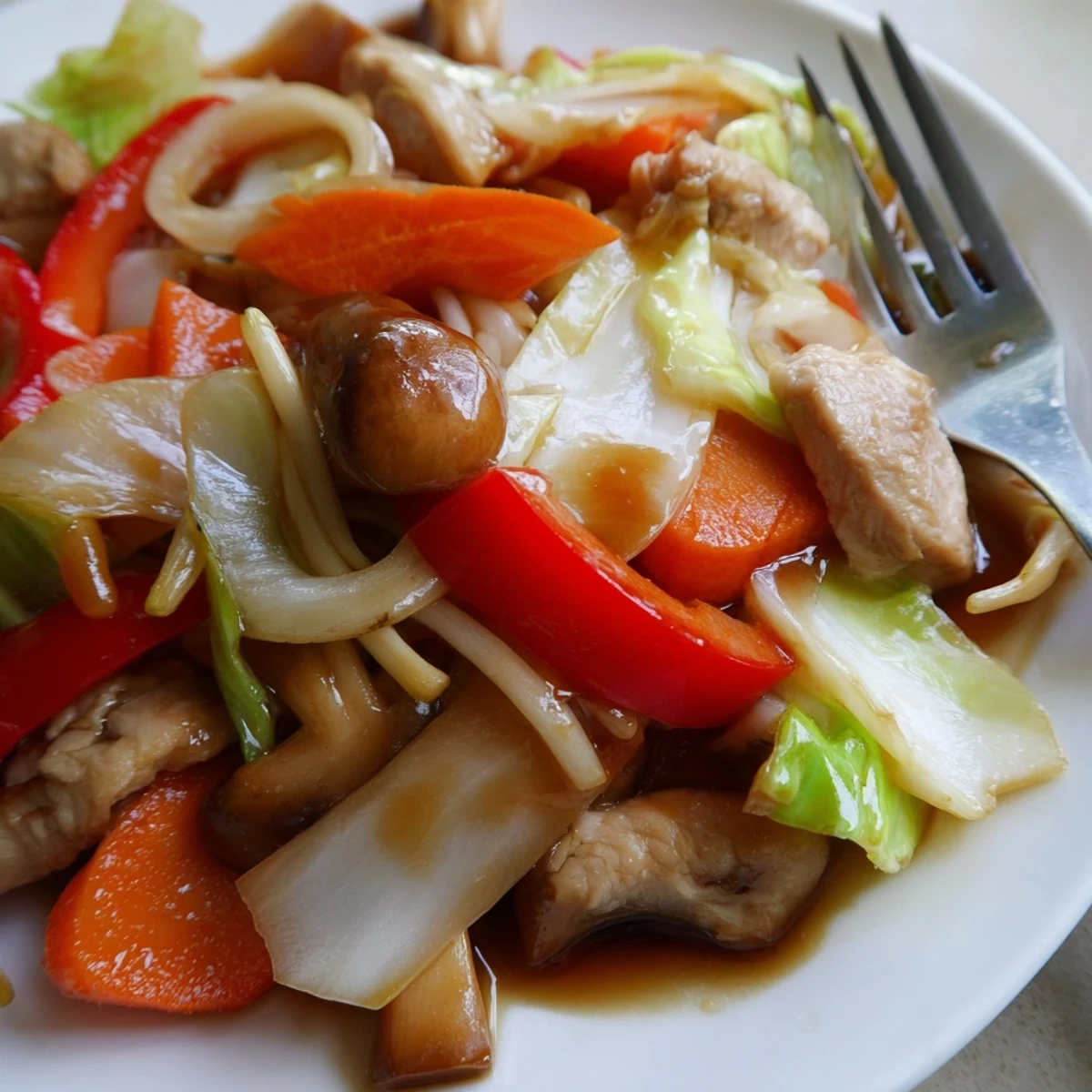
 This classic Chinese-American stir-fry brings together tender chicken or pork with an array of crisp vegetables in a rich, savory sauce. The dish comes together quickly—perfect for busy weeknights—yet delivers restaurant-quality results with its combination of textures and bold umami flavors. Serve over steamed rice or noodles for a complete, satisfying meal that the whole family will enjoy.
The smell of sesame oil hitting a hot wok instantly transports me to my first apartment kitchen where I learned that Chop Suey isn't just a restaurant takeout staple. It became my go-to dinner on busy weeknights when I wanted something comforting but didn't want to spend hours at the stove.
Last winter my neighbor knocked on my door holding a bag of bean sprouts shed accidentally bought in bulk. We cooked this together in my tiny kitchen while her kids ran around and she admitted shed always been intimidated by stir-fry. Watching her face light up when she tasted how simple it could be reminded me why I love sharing recipes that feel fancy but are secretly forgiving.
Ingredients
- 300 g boneless chicken breast or pork: Thinly slicing against the grain makes the meat tender and quick to cook though firm tofu works beautifully for a plant based version
- 1 medium onion sliced: Sweet onions caramelize slightly adding depth while red onion brings a lovely pop of color to the final dish
- 1 red bell pepper: The sweetness balances the salty soy sauce and adds that restaurant style crunch people love
- 1 cup bean sprouts: These provide the signature crisp texture that defines a great Chop Suey so add them at the very end
- 1 cup napa cabbage chopped: Unlike regular cabbage this wilts beautifully while still maintaining a slight bite
- 2 celery stalks sliced: Dont skip this even if youre not a celery fan because it adds essential crunch and aromatic flavor
- 1 medium carrot julienned: The natural sweetness plays perfectly against the savory elements and keeps its texture well
- 100 g mushrooms sliced: Button mushrooms absorb all that sauce while shiitakes add an umami punch
- 2 garlic cloves minced: Fresh garlic matters here because jarred garlic can taste harsh and metallic
- 1 teaspoon fresh ginger grated: The warmth it brings is non negotiable for that authentic Chinese American flavor profile
- 3 tablespoons soy sauce: Use a high quality brand and opt for low sodium if you want more control over the salt level
- 1 tablespoon oyster sauce: Mushroom based vegetarian alternatives work if you need to avoid shellfish
- 1 tablespoon cornstarch: This creates that glossy restaurant style sauce that clings to every vegetable
- 1 tablespoon rice wine or dry sherry: Dry sherry is actually the traditional American Chinese restaurant substitute and works perfectly
- 1 teaspoon sesame oil: Toasted sesame oil adds that signature nutty aroma that makes your kitchen smell amazing
- 150 ml chicken or vegetable broth: Homemade broth adds depth but a quality store bought version keeps things quick
- 2 tablespoons vegetable oil: A neutral oil with a high smoke point is essential for proper stir frying
- Salt and pepper: Use sparingly since the soy sauce already brings plenty of seasoning
Instructions
- Whisk your sauce base:
- Combine soy sauce oyster sauce cornstarch rice wine sesame oil and broth in a small bowl until the cornstarch completely dissolves
- Cook the protein:
- Heat half the oil in your wok until shimmering then stir fry the seasoned meat for about 3 minutes until just cooked through
- Build the aromatics:
- Add the remaining oil and sauté garlic and ginger for just 30 seconds until fragrant but not brown
- Add the harder vegetables:
- Toss in onions carrots celery and bell pepper stir frying for 2 to 3 minutes until they start to soften
- Softer vegetables join in:
- Stir in mushrooms and cabbage cooking for another 2 minutes while everything continues to develop flavor
- Combine everything:
- Return the meat to the pan pour in your sauce and toss until glossy and slightly thickened
- The final touch:
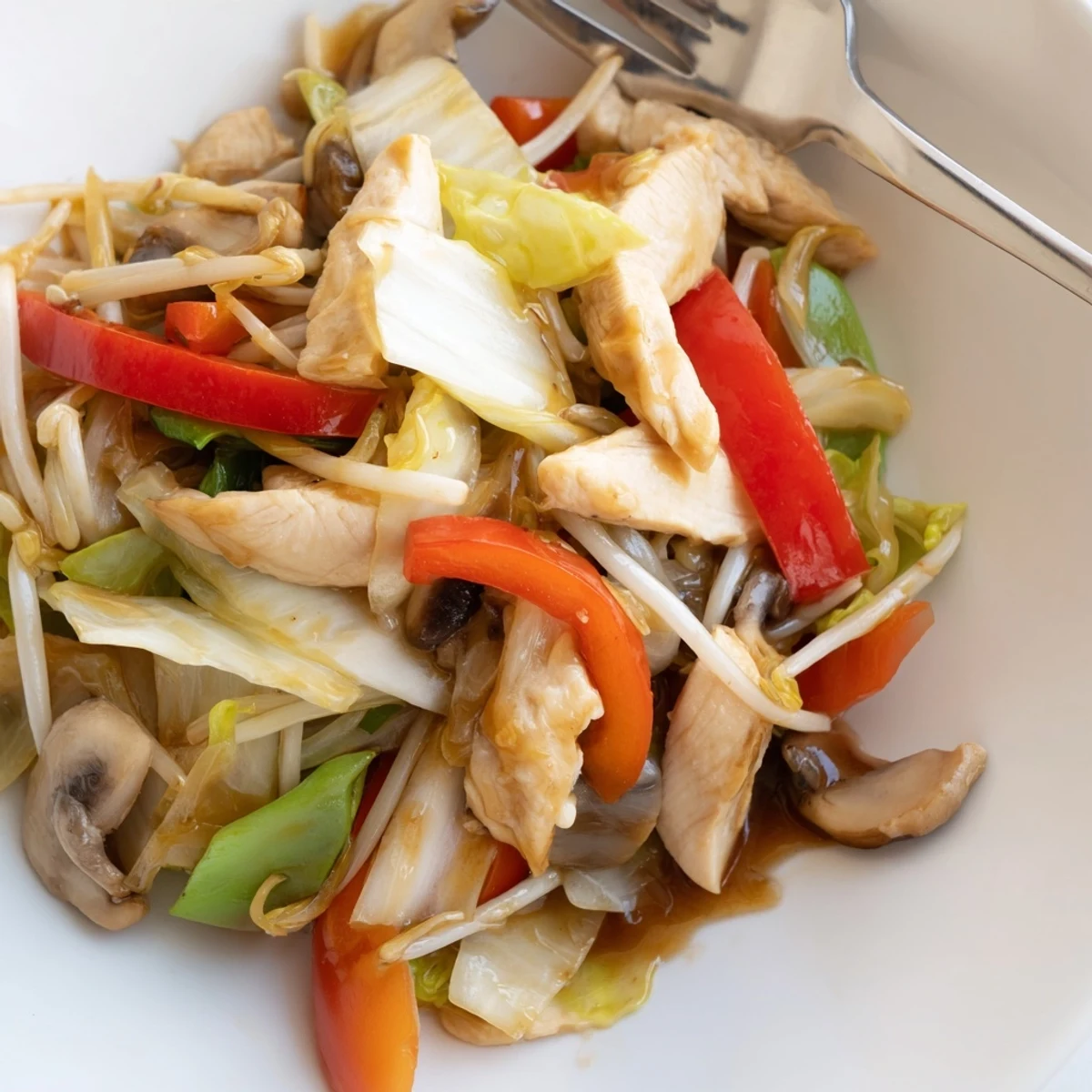
- Add bean sprouts last giving them just a minute or two to stay crisp and vibrant
 Pin it
 This recipe became a Friday tradition during my graduate school years. My roommates would drift into the kitchen one by one drawn by the aroma and wed end up eating standing up around the counter talking about everything and nothing while the steam rose from our bowls.
Making It Your Own
Ive learned that the best Chop Suey adapts to whatever vegetables need using up. Snow peas bamboo shoots and water chestnuts all bring their own texture to the party while still letting the sauce shine as the star.
Perfecting the Sauce
The secret to that restaurant style gloss is letting the sauce bubble for a full minute after adding it to the vegetables. I used to rush this step until a chef friend told me patience is what makes the sauce cling instead of pooling at the bottom of the bowl.
Serving Suggestions
Steamed jasmine rice is classic but chow mein noodles soak up the sauce beautifully and feel like a proper treat. A crisp white wine like Sauvignon Blanc cuts through the richness and makes the whole meal feel special even on a Tuesday.
- Cook your rice or noodles first so theyre ready when the stir fry hits the table
- Keep all ingredients prepped and near the stove because once you start cooking it moves fast
- This dish reheats beautifully for lunch the next day though the bean sprouts will soften
 Pin it
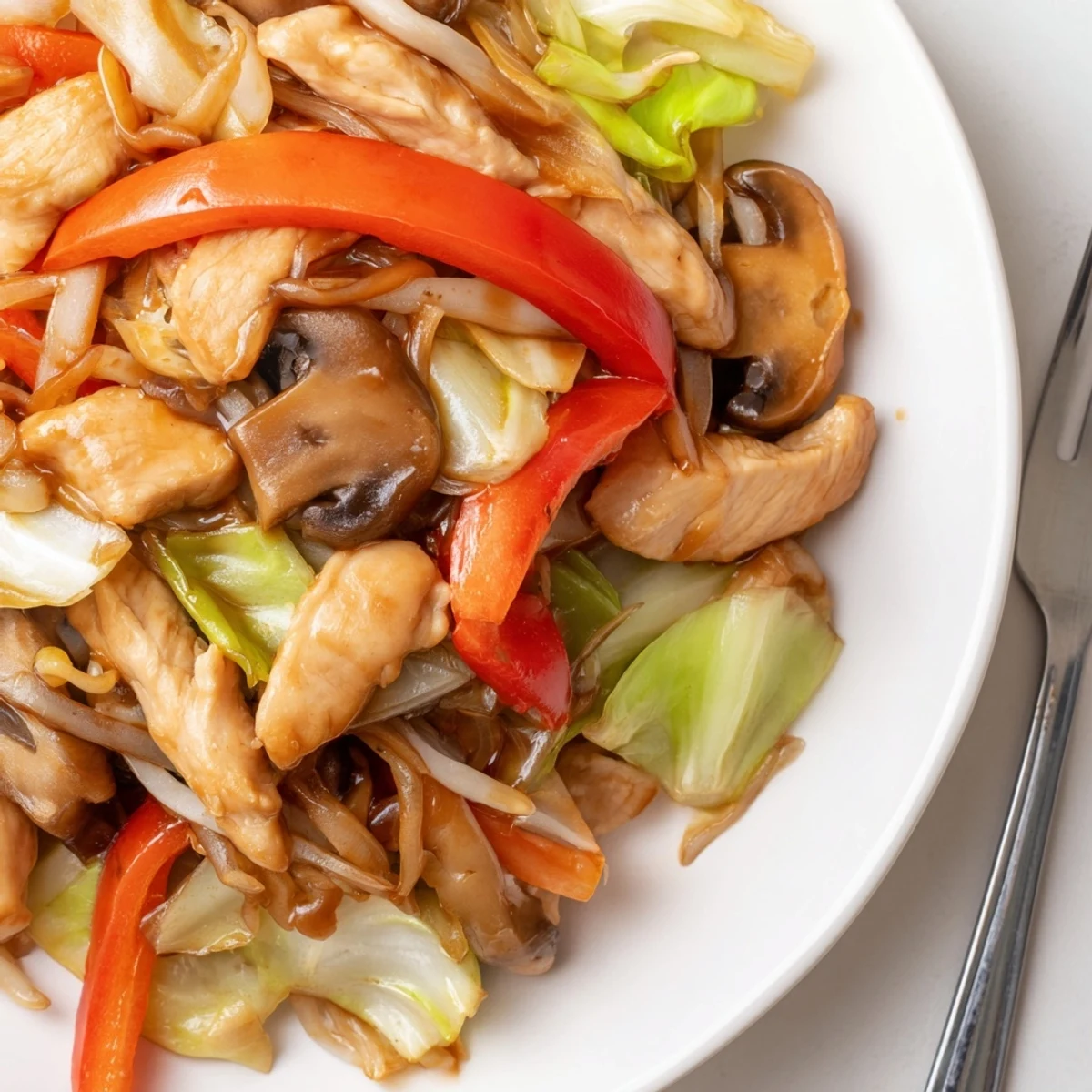
 Serve this piping hot and watch how quickly it becomes one of those recipes people request again and again. Theres something deeply satisfying about a dish that comes together so quickly yet tastes like it took all day.
Recipe FAQs
- → What makes chop suey different from other stir-fries?
-
Chop suey is distinguished by its thickened savory sauce and specific vegetable combination including bean sprouts, cabbage, and celery. The sauce coats ingredients rather than being absorbed, creating a glossy finish and consistent flavor throughout the dish.
- → Can I make this vegetarian?
-
Yes, simply substitute firm tofu for the meat and use vegetarian oyster sauce or mushroom sauce. The preparation method remains the same, and tofu absorbs the savory flavors beautifully while maintaining its texture in the stir-fry.
- → What vegetables work best in chop suey?
-
Traditional chop suey includes bean sprouts for crunch, napa cabbage for sweetness, bell peppers for color, and celery for texture. You can also add water chestnuts, bamboo shoots, or snow peas depending on what's available and your personal preference.
- → How do I prevent the sauce from becoming too thick?
-
The cornstarch in the sauce creates the desired thickness, but if it becomes too dense, simply add a splash more broth or water while stirring. The sauce continues to thicken as it cools, so slightly thinner consistency while cooking is ideal.
- → What's the best way to slice the meat for stir-frying?
-
Slice the meat against the grain into thin, uniform strips about 1/4 inch thick. Partially freezing the meat for 20-30 minutes before slicing makes it easier to cut cleanly. This ensures quick, even cooking and tender results in the high-heat wok.
- → Can I prepare chop suey ahead of time?
-
You can prep all ingredients in advance—slice vegetables, mix the sauce, and cut the meat—but cook everything just before serving for the best texture. Leftovers reheat well in a skillet over medium heat, though bean sprouts may lose some of their crunch.