
 Pin it
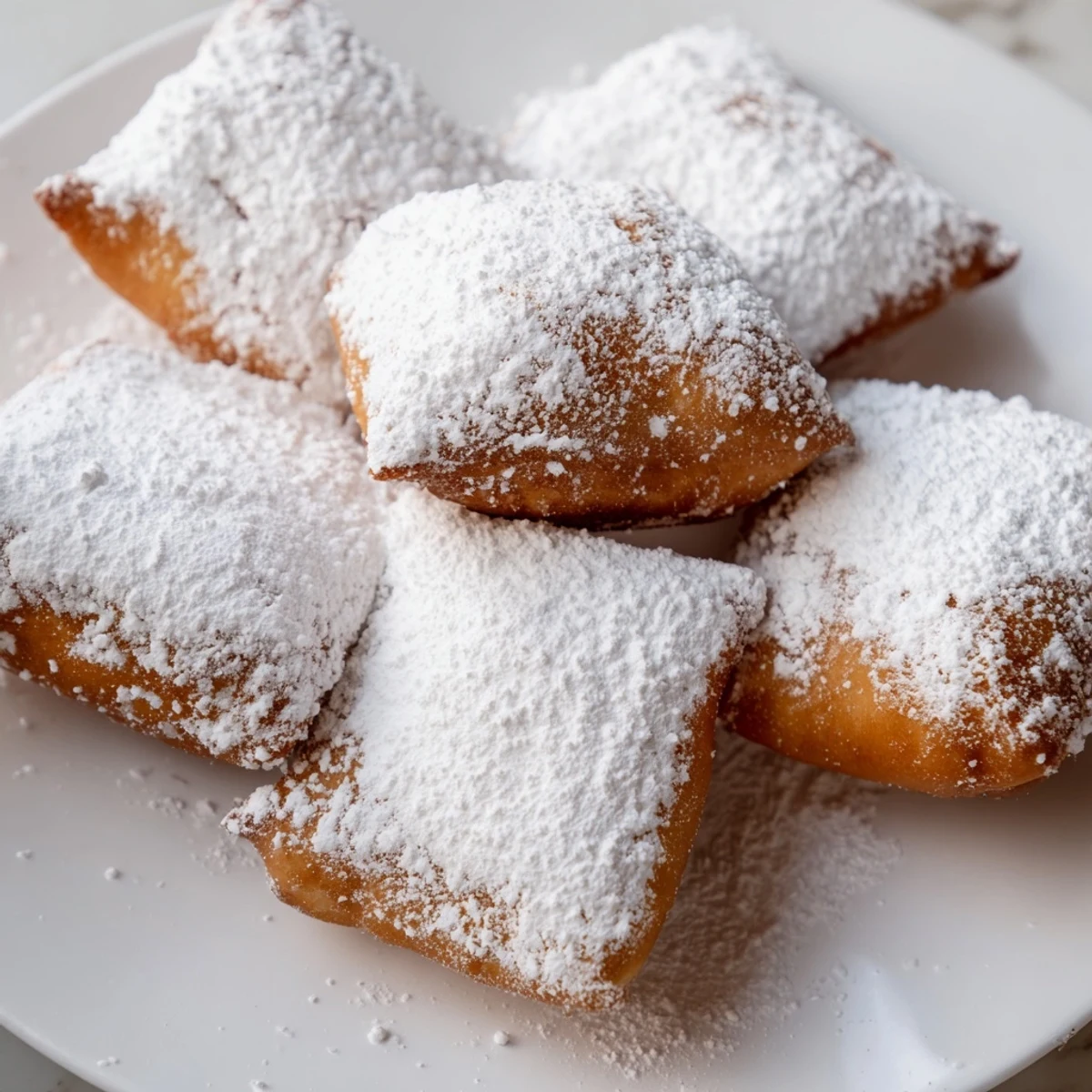
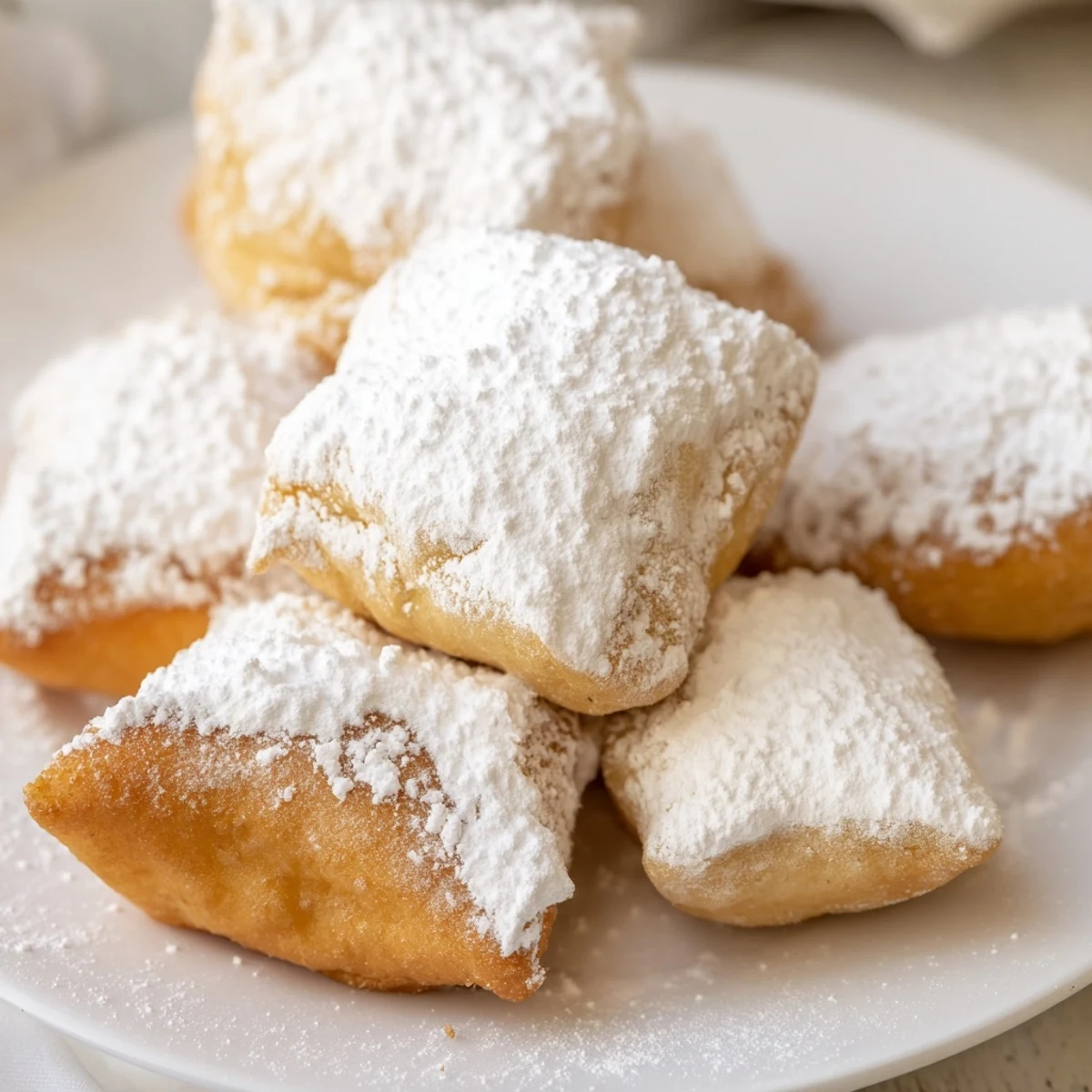
 Create authentic French beignets with a delicate vanilla twist. These light, pillowy squares of fried dough are dusted generously with powdered sugar, creating a irresistible treat that's perfect for leisurely breakfasts or elegant desserts. The dough develops wonderful flavor through proper rising, resulting in beautifully puffed beignets with tender, airy interiors and crisp golden exteriors. Best served warm immediately after frying, these classic French pastries bring the café experience directly to your kitchen.
The morning sun hit my tiny Paris kitchen window as I watched the street vendor pile powdered sugar mountains onto paper trays. I had no idea what those golden squares were until a little girl in a red coat handed me one still warm from the fryer. That single bite of crispy outside, cloud-like inside changed my entire relationship with fried dough forever.
Last winter during a snowstorm I made three batches back to back. My neighbors knocked on my door following the scent of vanilla and frying oil. We ended up sitting around my kitchen table eating warm beignets and drinking coffee until the sun went down.
Ingredients
- All-purpose flour: This creates the perfect structure for puffing without becoming dense or bread-like
- Active dry yeast: I learned the hard way that expired yeast makes flat disappointing beignets
- Whole milk: The fat content keeps the dough tender and adds richness you cannot get from water
- Unsalted butter: Melt it completely and let it cool to room temp so it does not cook your eggs
- Pure vanilla extract: Do not skimp here because this is what makes these uniquely special
- Powdered sugar: Buy the good stuff because cheaper brands can have a chalky aftertaste
Instructions
- Wake up the yeast:
- Stir the yeast into warm water and watch for tiny bubbles to form. This five minute patience test saves so much heartache later.
- Mix your dry foundation:
- Whisk the flour sugar and salt together in your stand mixer bowl. Even distribution matters for consistent rising.
- Bring it together:
- Pour in the yeasty water warm milk eggs melted butter and that glorious vanilla. Let the dough hook work its magic for five to seven full minutes until you have a smooth slightly sticky ball.
- Let it rest:
- Move the dough to an oiled bowl cover it and walk away for at least an hour. The waiting game is where the magic happens.
- Shape the squares:
- Roll the dough to half an inch thick and cut into two inch squares. Do not stress about perfection because irregular ones look even more charming.
- Second rise:
- Let the cut squares rest for thirty more minutes covered gently. They will puff up and look like tiny clouds waiting for their hot bath.
- The frying moment:
- Heat your oil to 350 degrees and drop in three or four beignets at a time. They will bob to the top and turn golden in about two minutes per side.
- The final touch:
- While they are still warm shower them with powdered sugar until they look like fresh snow. Serve immediately and watch people is faces light up.
 Pin it
 My daughter now requests these for every special occasion. Last birthday she insisted on making them herself and I watched her tiny hands dusting sugar with such concentration. These recipes become threads that weave through our lives connecting us to moments we never want to forget.
The Perfect Fry Temperature
I used to guess at oil temperature and ended up with raw centers or burnt outsides. An instant read thermometer became my best friend for consistent results every single time. The difference between good and great beignets is exactly twenty degrees.
Make Ahead Magic
On busy days I prepare the dough the night before and let it do its first rise in the refrigerator. The cold actually develops better flavor and makes rolling out so much easier in the morning. Just let it come to room temperature before shaping.
Serving Suggestions That Impress
The classic powdered sugar dusting will always be perfect but I have discovered some lovely variations over the years. A warm chocolate sauce takes these from breakfast to dessert party material.
- Try lemon zest in the dough for a bright spring variation
- Serve with berry compote when fresh berries are in season
- A dusting of cinnamon sugar creates a churro inspired twist
 Pin it
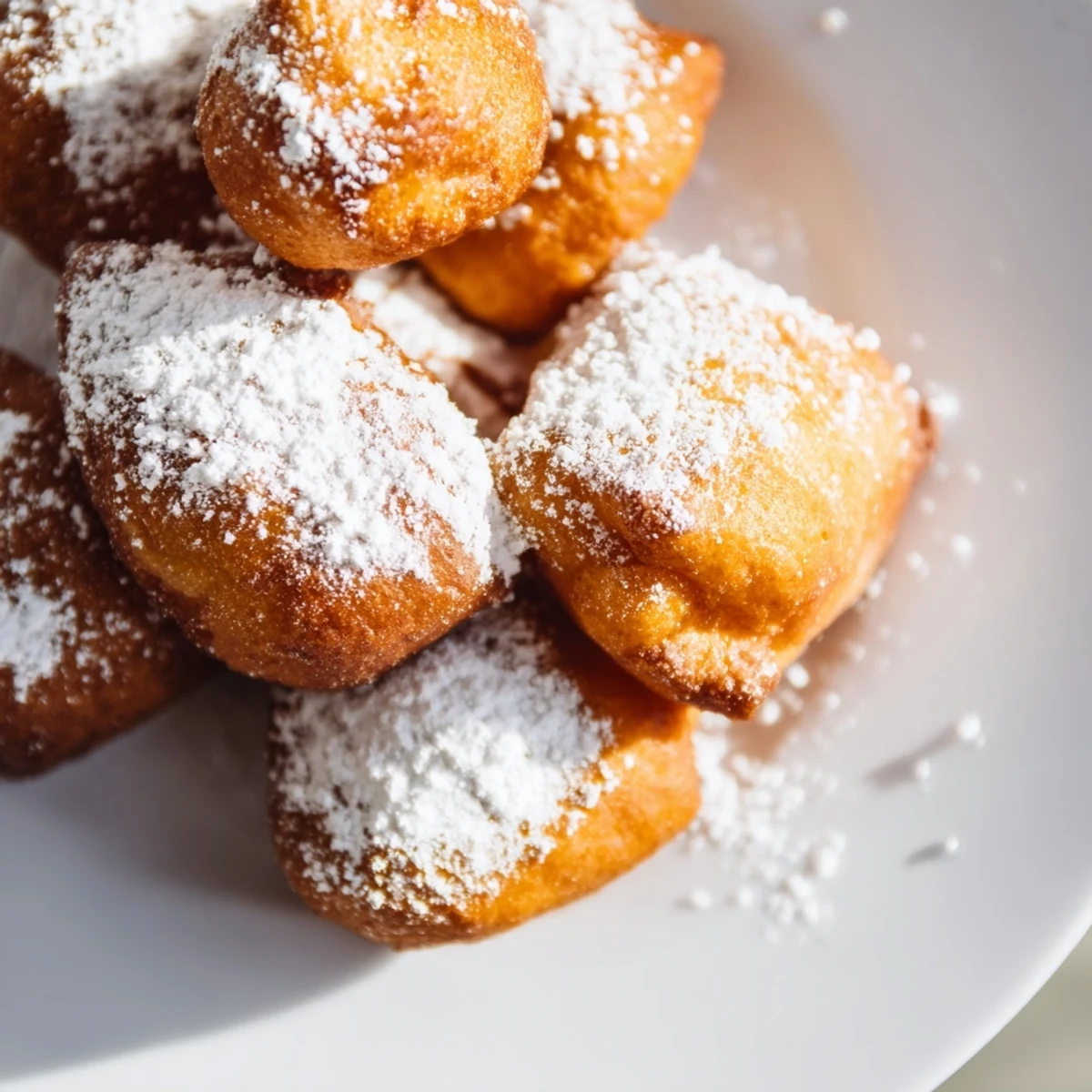
 There is something almost meditative about frying beignets. The sizzling sound the rising dough the sugar falling like snow these simple pleasures make a regular morning feel like a celebration.
Recipe FAQs
- → What makes authentic French beignets different from other fried dough?
-
Authentic French beignets feature a yeast-raised choux-like dough that creates their signature pillowy, airy texture. Unlike denser fried doughs, proper beignets puff dramatically during frying, developing a crisp exterior while maintaining a tender, cloud-like interior. The classic New Orleans style uses a similar dough but traditionally omits vanilla extract, giving these vanilla-infused versions a more delicate, aromatic flavor profile.
- → Why is the dough rising time important for fluffy beignets?
-
The rising period allows yeast to ferment and create carbon dioxide bubbles within the dough structure. This process is crucial for achieving those characteristic air pockets that make beignets irresistibly light. The initial 1-1.5 hour rise develops flavor and structure, while the secondary 30-minute rest after cutting ensures each individual piece maintains optimal puffiness during frying. Skipping proper rising results in denser, tougher beignets that lack the signature cloud-like texture.
- → What's the ideal oil temperature for frying perfect beignets?
-
Maintaining oil at precisely 350°F (175°C) is essential. If the oil's too cool, beignets absorb excess grease and become soggy. Too hot, and they brown before cooking through inside. Use a kitchen thermometer for accuracy - this is one instance where guessing doesn't work well. The oil should bubble gently around the beignets without violent splattering. Consistent temperature ensures even cooking, proper puffing, and that perfect golden-brown exterior that makes beignets so appealing.
- → Can I prepare beignet dough ahead of time?
-
Absolutely - in fact, refrigerating the dough overnight enhances flavor development. After the initial rise, punch down the dough, wrap tightly, and refrigerate for up to 24 hours. Let it come to room temperature for 30 minutes before rolling and cutting. The cold dough rolls more cleanly too. Alternatively, freeze shaped, unrisen beignets on parchment-lined trays, then transfer to freezer bags. Thaw in the refrigerator overnight, let rise, and fry when ready to serve fresh.
- → What's the secret to getting that generous powdered sugar coating?
-
The trick is timing and technique. Dust beignets while still warm - the residual heat helps sugar adhere beautifully. Use a fine-mesh sieve for even distribution rather than sprinkling by hand. Work in batches, dropping several beignets into a paper bag with powdered sugar and shaking gently for thorough coverage. For extra-dramatic presentation, create a snowfall effect by sifting sugar generously over a platter of freshly fried beignets just before serving. The combination of warm pastry and cool, sweet sugar creates the classic beignet experience.