
 Pin it
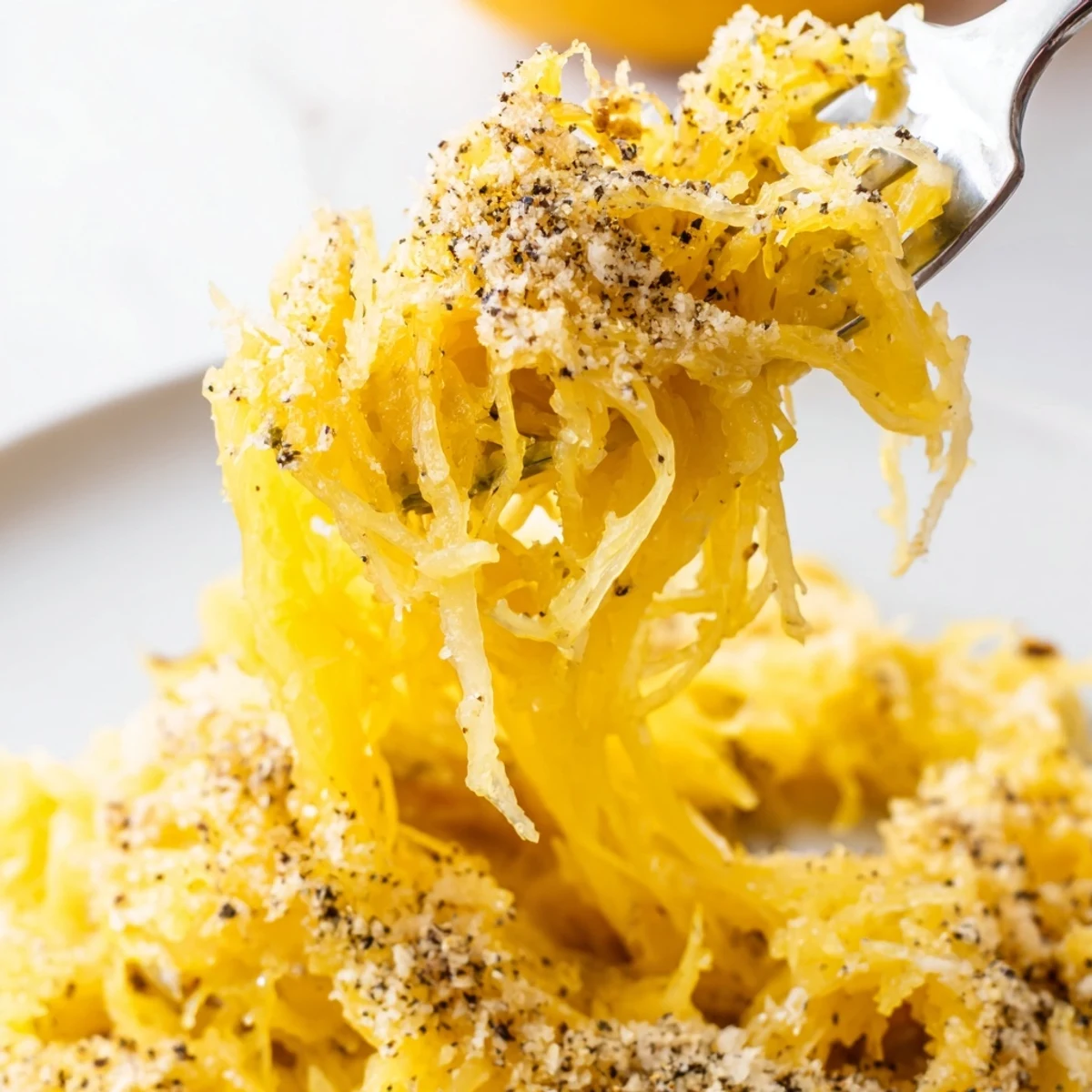
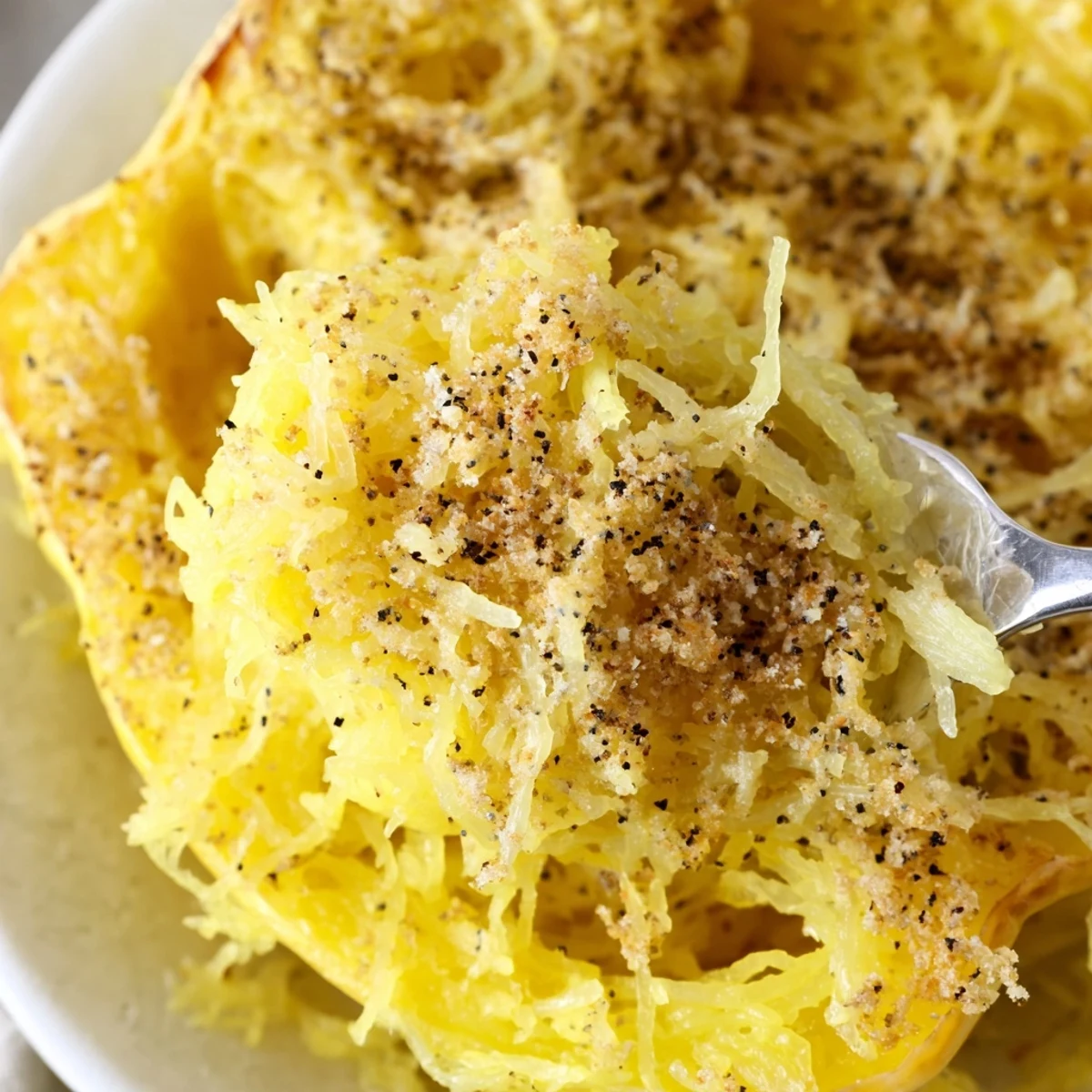
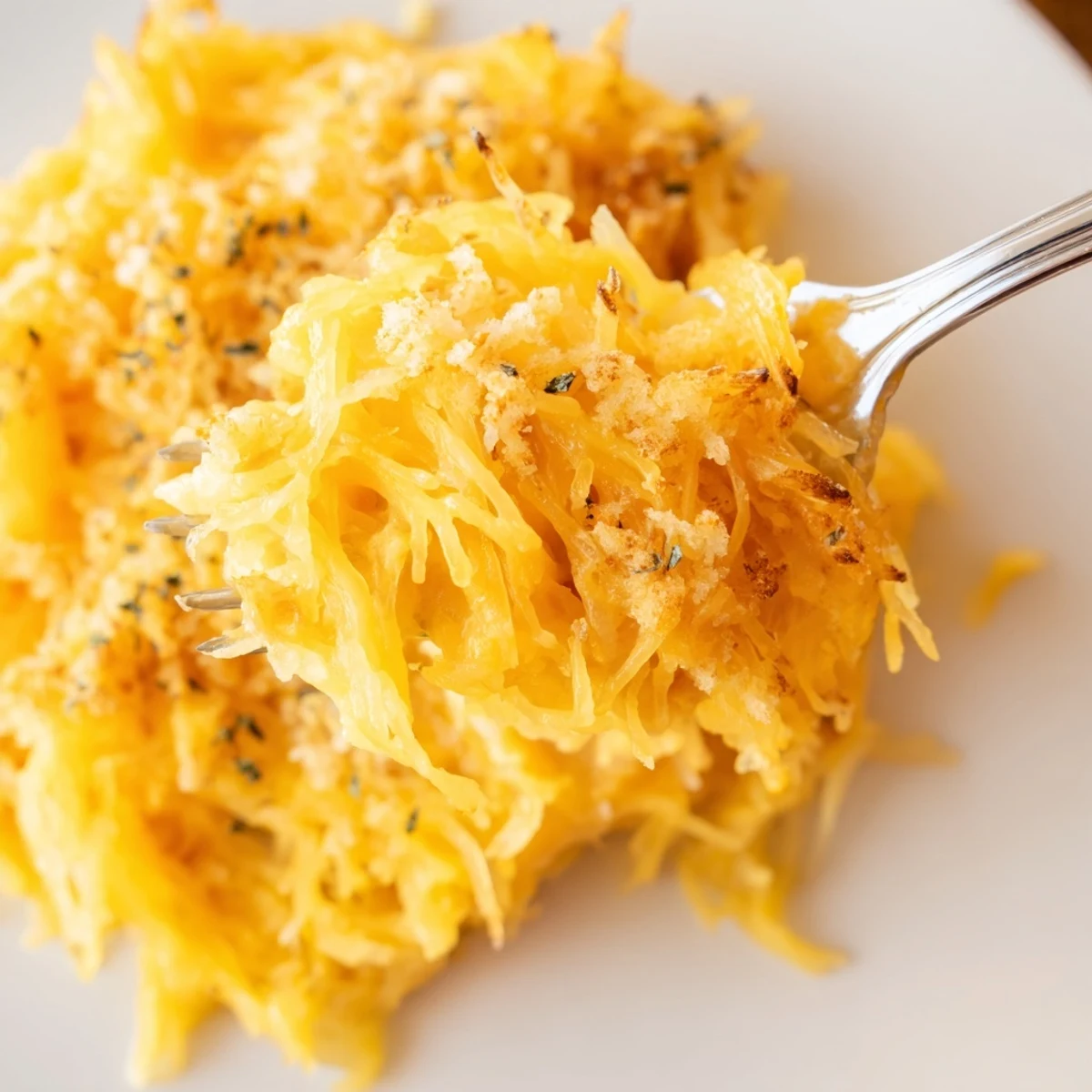
 Roast halved spaghetti squash until fork-tender, then shred into strands and toss with a velvety sauce made from butter, flour, milk, sharp cheddar and Parmesan seasoned with garlic powder and mustard powder. Transfer to a baking dish, top with panko-Parmesan and broil until golden. Serves 4; total time about 1 hour.
The oven door had barely clicked shut when my kitchen filled with that sweet, roasted squash smell that makes everything outside feel irrelevant. I had bought the squash on a whim, tired of my usual mac and cheese routine but unwilling to give up cheese entirely. What happened next was one of those accidental triumphs that keeps you believing the kitchen rewards the curious. Spaghetti squash strands tangled in sharp cheddar and Parmesan became something I now crave more than the pasta original.
My roommate walked in while I was shredding the squash with a fork and stood there watching like it was a magic trick. She had sworn off anything low carb as a rule but asked for seconds without hesitation, which told me everything I needed to know.
Ingredients
- 1 large spaghetti squash (about 2.5 to 3 pounds): Pick one that feels heavy for its size with a pale, firm skin and no soft spots.
- 2 tablespoons unsalted butter: The base of your roux, so use good quality butter if you have it.
- 2 tablespoons gluten free all purpose flour: This thickens the sauce and keeps it gluten free, though regular flour works fine too.
- 1 1/4 cups milk (whole or 2%): Whole milk makes a richer sauce, but 2% still does the job beautifully.
- 1 cup shredded sharp cheddar cheese: Sharp cheddar gives you more flavor per ounce than mild, so do not substitute down.
- 1/2 cup grated Parmesan cheese: Adds a salty, nutty depth that makes the sauce taste more complex than it is.
- 1/4 teaspoon garlic powder: Just enough to round out the flavor without overpowering the cheese.
- 1/4 teaspoon ground mustard: A classic mac and cheese secret that amplifies the cheese flavor instantly.
- 1/4 teaspoon salt and 1/4 teaspoon black pepper: Seasoning is simple here because the cheese does most of the talking.
- 1/3 cup gluten free panko breadcrumbs: For that golden, crunchy top that makes everyone reach for a second scoop.
- 2 tablespoons grated Parmesan and 1 tablespoon melted butter (for topping): Mixed with panko for a crispy, savory finish.
Instructions
- Preheat and prepare:
- Set your oven to 400°F and line a baking sheet with parchment paper so cleanup is effortless later.
- Halve and clean the squash:
- Carefully slice the squash lengthwise with a sharp knife, then scoop out the seeds and stringy bits with a spoon until the halves are clean.
- Roast until tender:
- Place the halves cut side down on the baking sheet and roast for 35 to 40 minutes until a fork slides through the flesh and the strands separate easily.
- Build the cheese sauce:
- Melt butter in a saucepan over medium heat, whisk in the flour and cook for one minute, then slowly pour in the milk while whisking constantly until smooth and thickened.
- Add the cheese:
- Remove from heat and stir in the cheddar, Parmesan, garlic powder, mustard, salt, and pepper until everything melts into a silky, glossy sauce.
- Shred and combine:
- Run a fork through the squash flesh to create strands, transfer them to a large bowl, and gently fold in the cheese sauce until every strand is coated.
- Broil with topping:
- Transfer to a greased baking dish, mix the panko with Parmesan and melted butter, sprinkle it over the top, and broil on high for 2 to 3 minutes until golden and bubbling.
- Serve and enjoy:
- Let it rest for a minute or two, then serve warm with extra Parmesan or fresh herbs scattered on top.
 Pin it
 One cold Tuesday I brought this to a potluck and watched three people ask for the recipe before they even finished their first bite. It became my contribution to every gathering that winter.
How to Pick and Prep the Best Squash
Look for squash that feels dense and heavy with a hard, unblemished rind and a deep yellow color underneath any green streaks. Microwaving the whole squash for two minutes before cutting makes it dramatically easier to slice through safely.
Mix Ins That Actually Work
Sautéed spinach folds in beautifully without changing the character of the dish, and frozen peas add little pops of sweetness that balance the richness. For protein, chickpeas are my favorite because they blend right in without stealing attention from the cheese.
Wine Pairing and Serving Thoughts
A glass of crisp Sauvignon Blanc cuts through the richness perfectly, its acidity acting like a palate reset between bites. Serve this with a simple green salad dressed in lemon and olive oil and the meal feels complete without any fuss.
- Let the squash cool slightly before shredding so you do not burn your fingers.
- Leftovers reheat well in the oven but get watery in the microwave.
- Always taste the sauce before mixing it with the squash and adjust salt as needed.
 Pin it
 This dish taught me that comfort food does not need to be heavy to be satisfying. Sometimes the best recipes are the ones where you start with less and end up with more.
Recipe FAQs
- → How long should I roast the spaghetti squash?
-
Roast at 400°F (200°C) for 35–40 minutes cut-side down. The squash is ready when the flesh is fork-tender and strands pull away easily.
- → How do I get a smooth, lump-free sauce?
-
Whisk flour into melted butter and add milk gradually, stirring constantly. Simmer until thickened, then remove from heat and stir in cheeses slowly to melt evenly and maintain a silky texture.
- → Can I make this gluten-free?
-
Yes. Use gluten-free all-purpose flour for the sauce and gluten-free panko for the topping. Verify labels on all packaged ingredients to avoid cross-contact.
- → What are good cheese substitutions?
-
Swap part of the cheddar for Gruyère or fontina for a nuttier, creamier profile. Extra grated Parmesan adds sharpness and savory depth.
- → How can I add more vegetables or protein?
-
Fold in cooked broccoli, sautéed spinach, or peas for extra veg; stir in cooked chicken or chickpeas for protein before baking or serving.
- → How should leftovers be stored and reheated?
-
Store in an airtight container in the fridge for 3–4 days. Reheat covered in a 350°F (175°C) oven until warmed through, or microwave gently to preserve texture.