
 Pin it
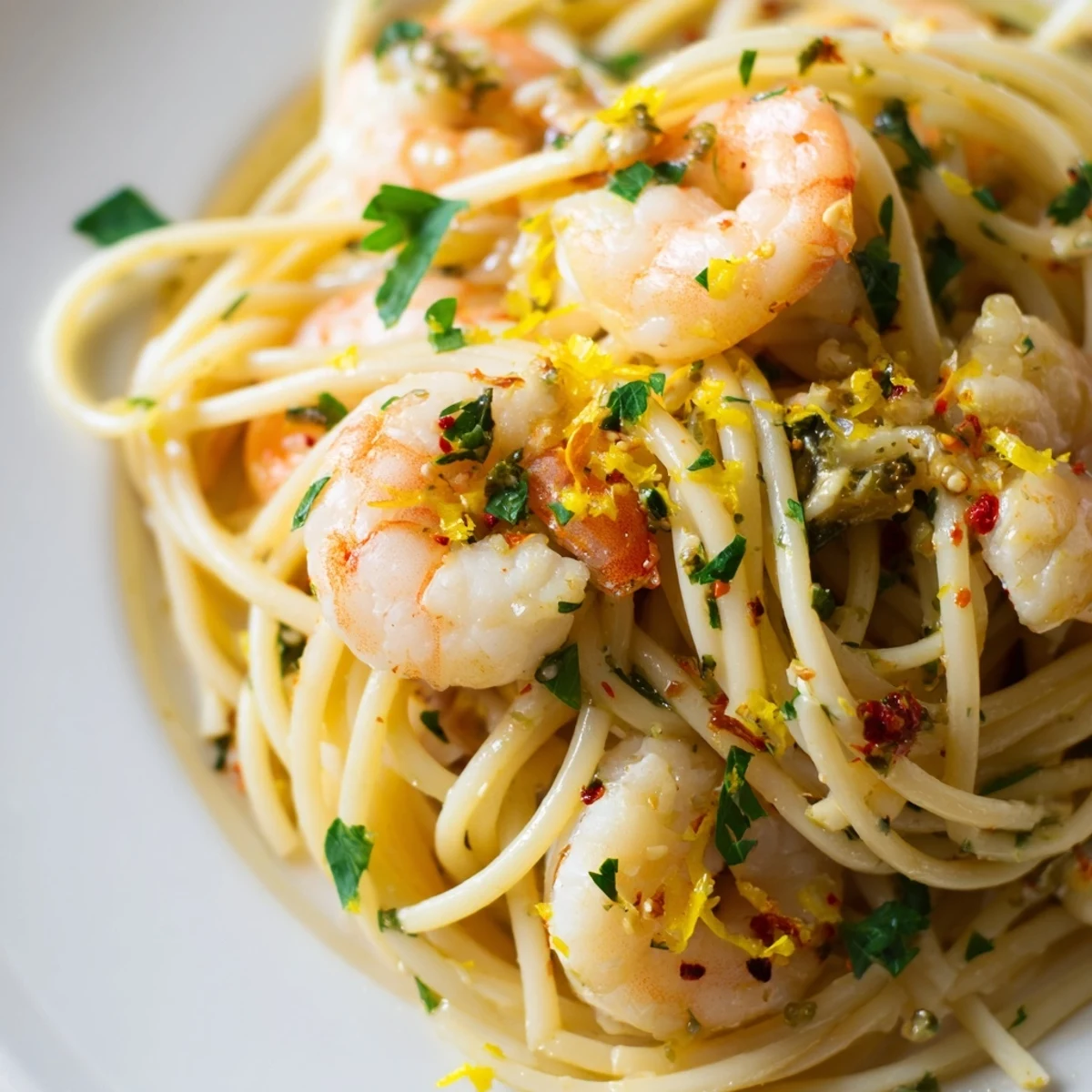
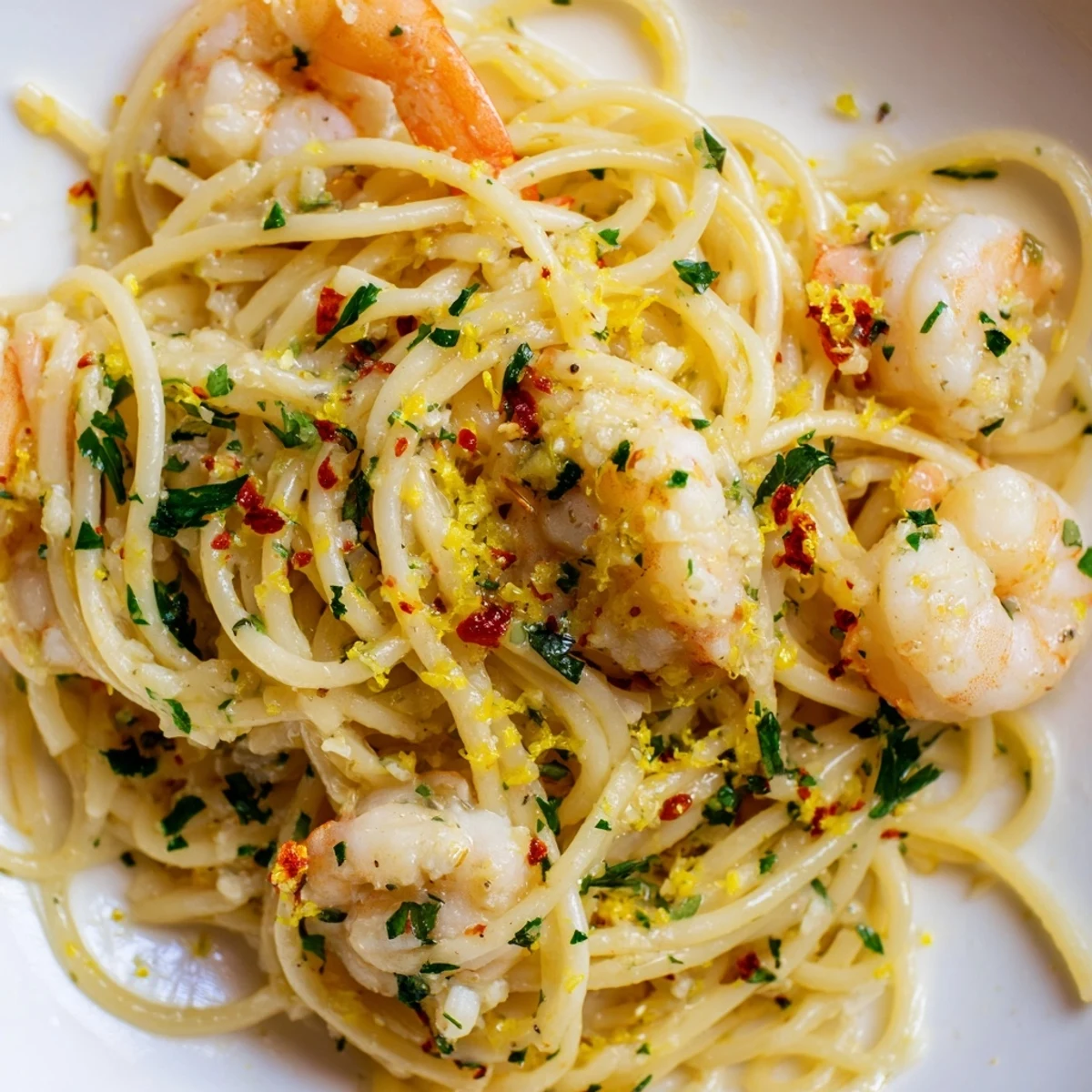
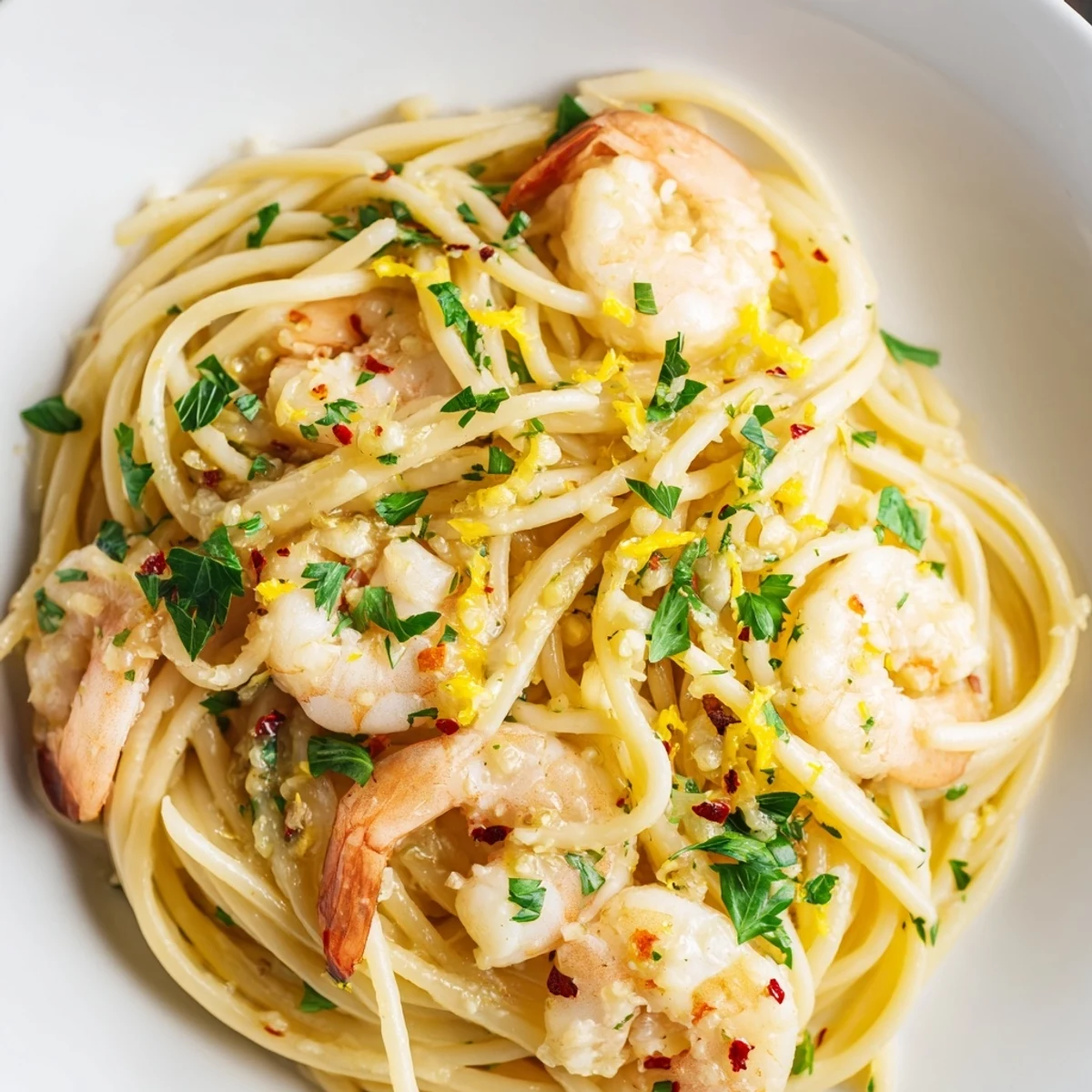
 This dish combines al dente spaghetti with succulent shrimp sautéed in olive oil and butter. Aromatic garlic and shallots build a savory base, while fresh lemon juice and zest add a bright, tangy finish. Tossed together with a splash of pasta water to create a silky sauce, it is finished with parsley and red pepper flakes for a touch of heat.
There's something about the smell of garlic hitting hot butter that stops me mid-thought every single time. I discovered this pasta on a weeknight when I had shrimp that needed cooking and a lemon sitting on the counter, and what emerged was so bright and quick that it became my go-to when people are coming over and I want to seem like I've spent hours in the kitchen. The beauty of it is how little you actually need to do to make something taste this good.
I made this for someone I was trying to impress, and I remember standing at the stove feeling nervous about timing everything right. But then the shrimp turned that perfect pink, the lemon juice hit the pan and released this incredible aroma, and suddenly I wasn't worried anymore. That's when I knew this recipe had staying power.
Ingredients
- Large shrimp (400 g): Look for them already peeled if you can, and try to use them the same day you buy them for the sweetest flavor. The size matters here because they cook evenly and stay tender.
- Spaghetti or linguine (350 g): Al dente is non-negotiable; it should have just the slightest resistance when you bite it. This matters because overcooked pasta absorbs the sauce and becomes mushy.
- Fresh garlic (4 cloves): Mince it finely and add it early, but watch closely so it doesn't brown and turn bitter. That fragrance creeping up before the shrimp goes in is your cue.
- Fresh lemon (1 large): Don't use bottled juice; the difference is immediately noticeable in brightness. The zest adds depth that the juice alone can't provide.
- Unsalted butter (3 tbsp) and extra virgin olive oil (2 tbsp): Together they create a luxurious base that coats the pasta without feeling heavy. The combination matters more than using one or the other.
- Red pepper flakes (½ tsp): This is your optional heat, but I include it nearly every time for a gentle warmth that keeps things interesting.
- Fresh parsley (2 tbsp): Add this at the very end so it stays bright and doesn't lose its color or flavor to the heat.
Instructions
- Get your water boiling:
- Fill a large pot with salted water and bring it to a rolling boil before the pasta touches it. This is where the pasta gets its initial flavor and helps create that starchy water you'll need later.
- Cook the pasta to al dente:
- Follow the package instructions but start testing a minute or two early. You want it to have a slight firmness in the center, because it'll soften slightly more as it mingles with the sauce.
- Build your aromatic base:
- While pasta cooks, warm the olive oil and butter together over medium heat in your largest skillet. The moment the garlic and shallot go in, count to 60 seconds and listen for the sizzle to calm down slightly, which means they're just starting to get fragrant.
- Cook the shrimp until just opaque:
- Lay the shrimp in a single layer and resist the urge to move them around for 2-3 minutes per side. They'll go from translucent to pink to cooked through with incredible speed, so watch carefully.
- Create the lemon sauce:
- Once the shrimp is cooked, pour in the lemon zest and juice and let it bubble gently. Return the shrimp to the pan along with the drained pasta and that reserved starchy water.
- Bring it all together:
- Toss everything with tongs for a minute or so, adding pasta water a splash at a time until you get a silky, glossy coating. You're not looking for a puddle of sauce, just a light emulsion that clings to everything.
- Finish and serve:
- Kill the heat, stir in the parsley, taste for salt and pepper, and serve immediately while everything is still warm and lively.
 Pin it
 This dish became my quiet triumph one evening when my partner came home and actually stopped to savor it instead of just eating. That's when I realized food isn't just about feeding people; it's about making them slow down for a moment.
Why Fresh Ingredients Change Everything
I've made this pasta three ways: with fresh lemon and quality butter, with bottled juice and regular butter, and with everything from a regular grocery store. The difference sounds subtle but tastes profound. The fresh version is bright and alive, while the other versions are just fine but flat by comparison. Since the ingredient list is so simple, there's nowhere for quality to hide, and nowhere for it to pretend to be something it isn't.
Timing Is Your Real Ingredient
The first time I made this, I cooked everything separately and then combined it cold. It was edible but completely missed the point. Now I understand that this dish lives in the moment when everything comes together hot and fast, when the lemon juice is still steaming and the shrimp is still releasing its sweetness. Rushing through the cooking process actually saves you time because you're not struggling to revive cold ingredients that have lost their magic.
Make It Your Own
The basic skeleton of this recipe is so sturdy that it welcomes improvisation. I've added everything from fresh spinach to roasted cherry tomatoes to a whisper of white wine, and it only gets better. The lemon and shrimp relationship is what holds it together, so as long as you keep that intact, you can build outward in any direction you want.
- Spinach wilts beautifully if you add it to the pan right before the pasta, softening in the residual heat.
- A splash of good white wine added after the lemon gives it unexpected depth and sophistication.
- Grated Parmesan at the end is optional but transforms it if you're not keeping it dairy-free.
 Pin it
 This is the pasta I make when I want to feel like I'm cooking, but I don't want to spend all evening doing it. It's proof that simple ingredients in the right proportions, handled with a little care, can taste like something special.
Recipe FAQs
- → Can I use frozen shrimp?
-
Yes, thaw them completely and pat dry before cooking to ensure they sear properly rather than steam.
- → What pasta works best?
-
Spaghetti or linguine are ideal, but fettuccine or angel hair will also hold the sauce well.
- → Is this dairy-free?
-
Not as written, but you can substitute the butter with additional olive oil to make it dairy-free.
- → How do I store leftovers?
-
Store in an airtight container in the refrigerator for up to two days, though the pasta is best enjoyed fresh.
- → Can I add vegetables?
-
Yes, baby spinach or cherry tomatoes make excellent additions for extra color and nutrition.