
 Pin it
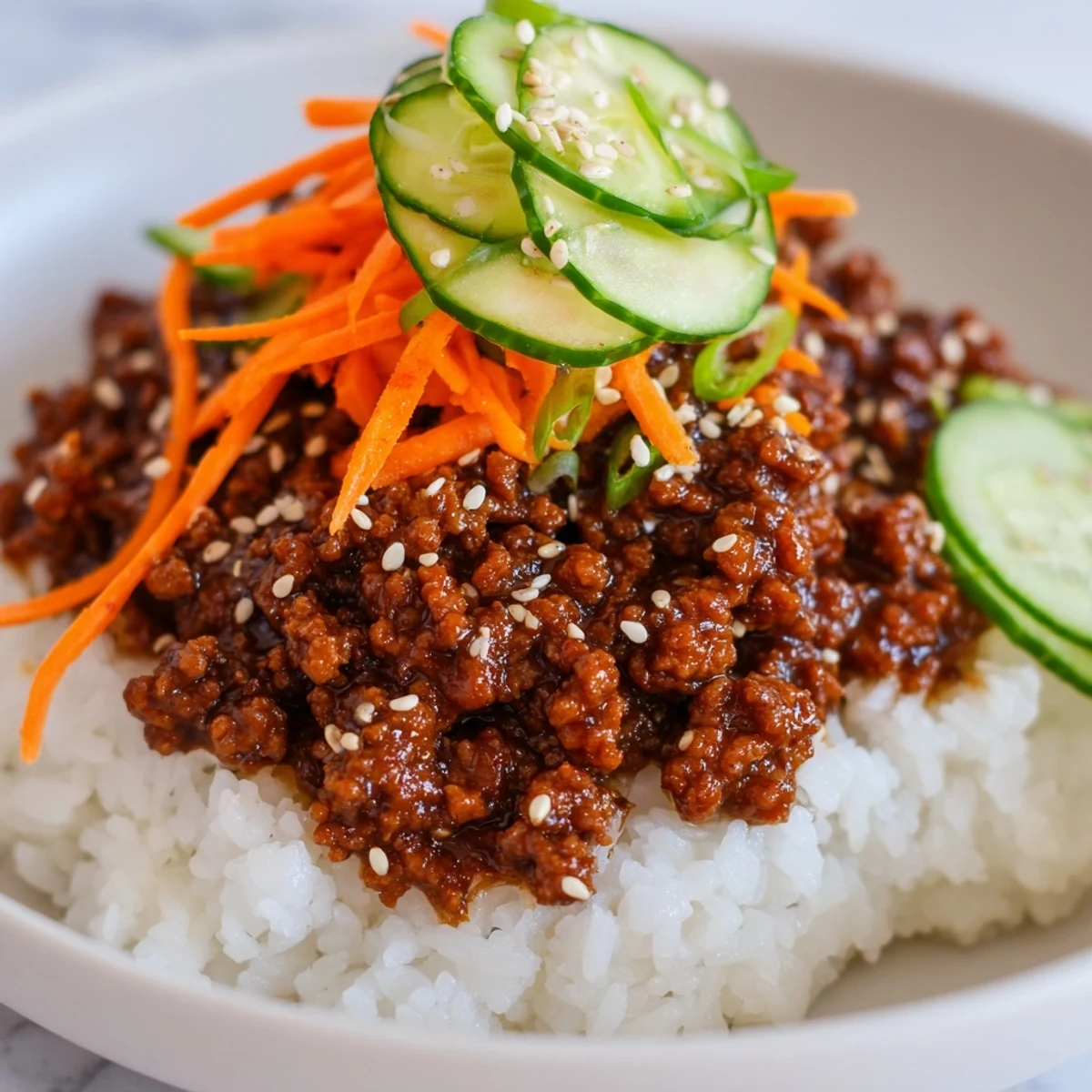
 This Korean ground beef bowl brings together savory-sweet seasoned beef with steamed rice, fresh crunchy vegetables, and a nutty sesame finish.
The sauce combines soy sauce, brown sugar, sesame oil, garlic, and ginger for that classic Korean flavor profile.
Ready in just 25 minutes, it's an ideal weeknight dinner that the whole family will enjoy.
The sizzle of ground beef hitting a hot skillet on a Tuesday evening is one of those sounds that instantly signals dinner is going to be alright. My freezer always has a pound of ground beef waiting, and this Korean style bowl has become the answer to more hectic weeknights than I can count. Sweet, salty, a little spicy, and on the table in under half an hour. It is the kind of recipe that makes you look like you tried much harder than you actually did.
My neighbor once knocked on my door while I was making this, asking what smelled so incredible that it had drifted through the hallway. I invited her in, made an extra bowl, and we sat at the kitchen counter eating together with chopsticks she happened to have in her purse.
Ingredients
- Lean ground beef (500 g): A little fat keeps things juicy, but lean means you will not need to drain much.
- Low sodium soy sauce (60 ml): Controls the salt level while still delivering deep umami flavor.
- Light brown sugar (2 tbsp): Adds just enough sweetness to balance the salty and spicy notes beautifully.
- Sesame oil (2 tbsp): This is the soul of the dish, so use toasted sesame oil for the fullest flavor.
- Garlic, minced (3 cloves): Fresh garlic makes a noticeable difference here.
- Freshly grated ginger (2 tsp): Grate it fine so it melts right into the sauce.
- Crushed red pepper flakes (1/2 tsp, optional): Start with half a teaspoon and adjust from there.
- Rice vinegar (1 tbsp): A small splash brightens everything and cuts through the richness.
- Spring onions (4): Slice them thin and save some for the very top.
- Carrot, julienned (1 medium): Adds crunch and a pop of color.
- Cucumber, thinly sliced (1): Cool and refreshing against the warm savory beef.
- Toasted sesame seeds (1 tbsp): Toast them yourself in a dry pan for maximum fragrance.
- Cooked white or brown rice (600 g): Short grain white rice is my preference for how it clings to the sauce.
Instructions
- Brown the beef:
- Set a large skillet over medium high heat and add the ground beef, breaking it into small pieces with a wooden spoon as it cooks. Let it go until deeply browned and no pink remains, roughly five to seven minutes, then drain any excess fat.
- Whisk the sauce together:
- In a small bowl, combine the soy sauce, brown sugar, sesame oil, minced garlic, grated ginger, red pepper flakes, and rice vinegar. Whisk until the sugar dissolves and everything looks unified.
- Glaze the beef:
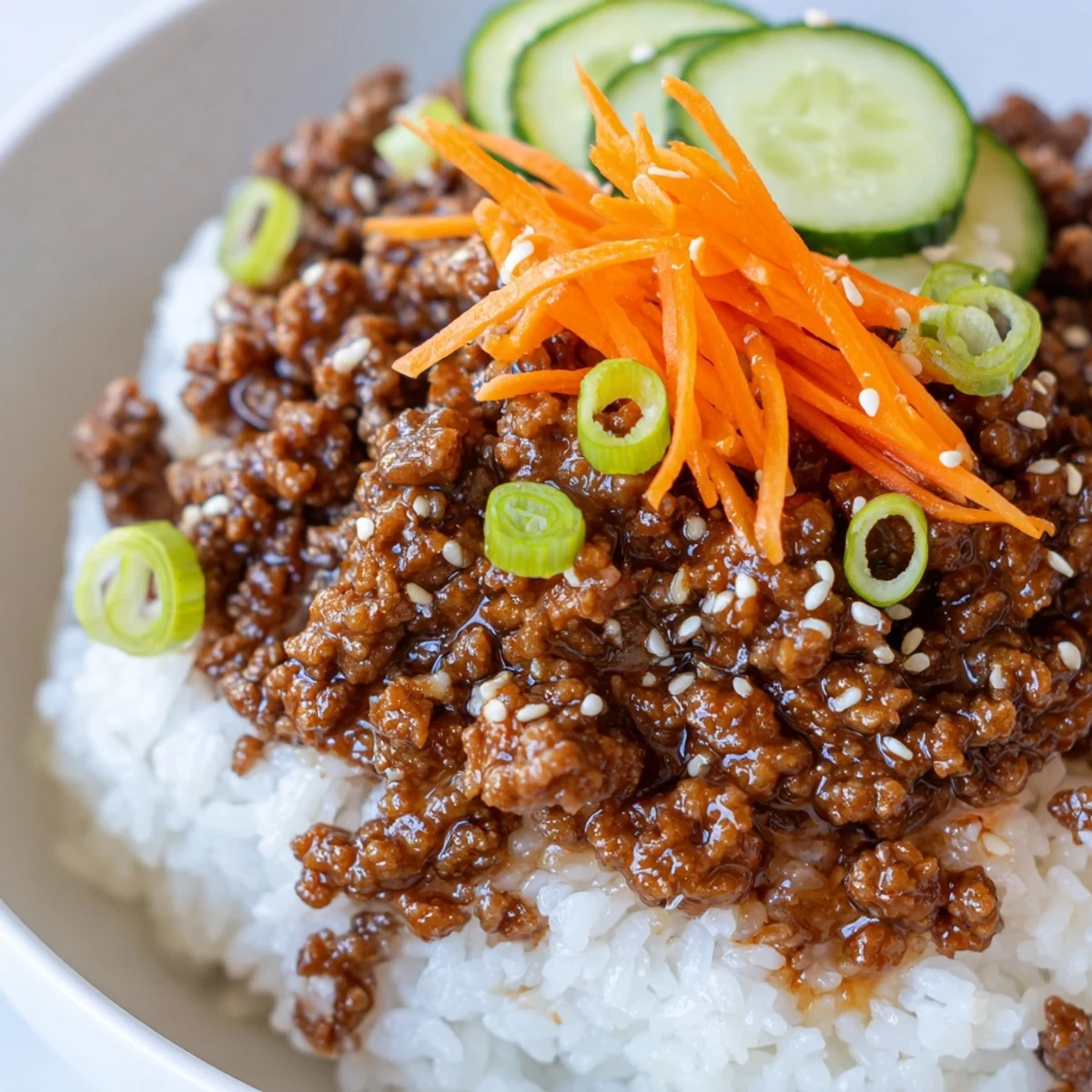
- Pour the sauce over the browned beef and stir to coat every crumb. Let it bubble and simmer for three to four minutes so the sauce reduces slightly and clings to the meat like a glossy glaze.
- Build the bowls:
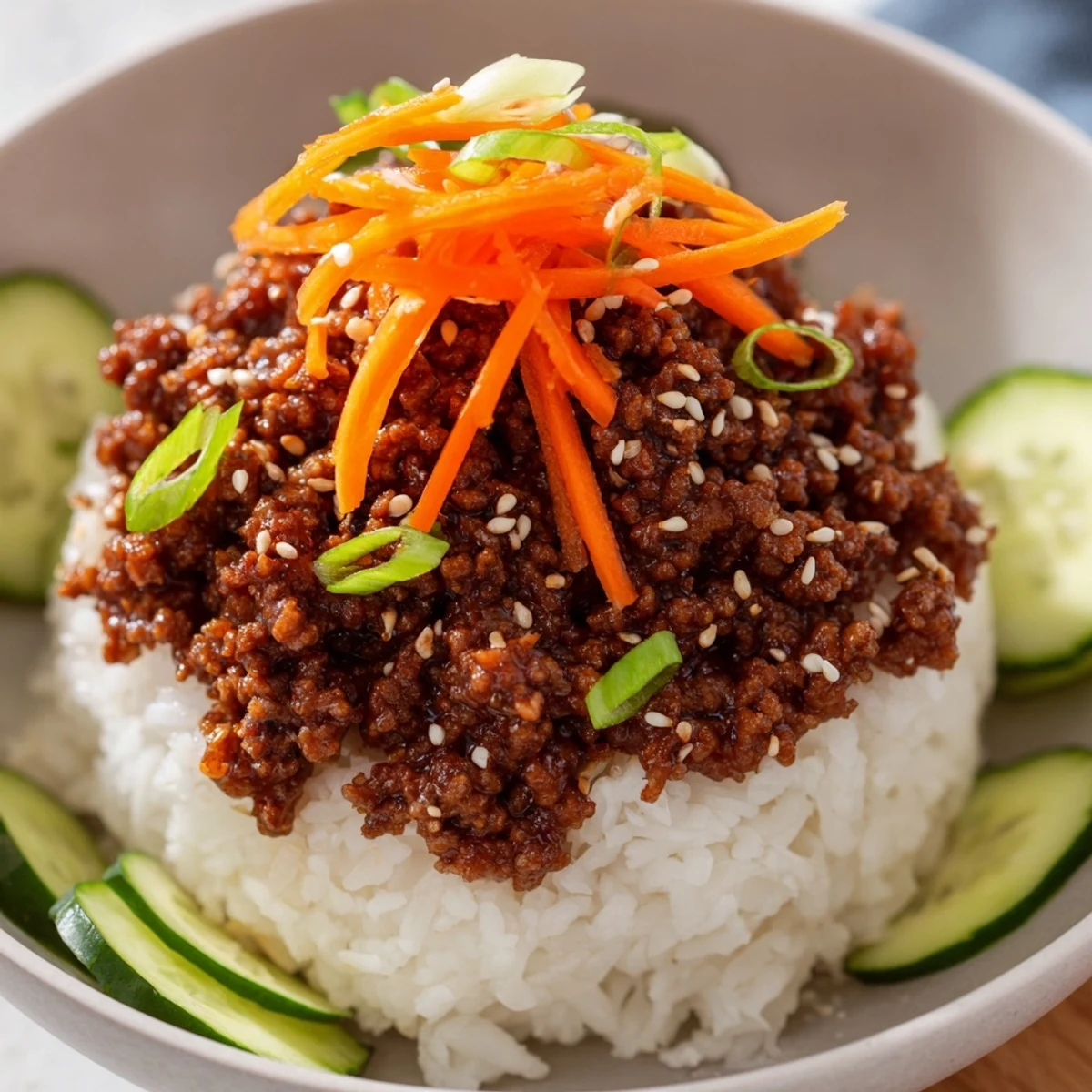
- Spoon cooked rice into four bowls and ladle the saucy beef over each one. Arrange julienned carrot, sliced cucumber, and spring onions on top, then finish with a generous sprinkle of toasted sesame seeds.
- Serve and enjoy:
- Bring the bowls to the table immediately while everything is hot and fragrant. Offer extra chili flakes or sriracha on the side for anyone who wants more heat.
 Pin it
 There was a night my youngest nephew insisted on building his own bowl, piling the vegetables into a smiley face before eating them without complaint, and I realized this dish has a quiet magic to it.
Swaps and Substitutions
Ground turkey or chicken work beautifully if you prefer a lighter protein, and a plant based crumble gets surprisingly close to the original when soaked in that sauce. I have even used leftover shredded Korean BBQ pork with excellent results.
What to Serve Alongside
A light crisp lager or a cup of green tea makes a perfect companion to the bold flavors. Add sauteed spinach or blanch some bean sprouts for extra vegetables if you are feeding a crowd.
Making It Your Own
Once you have the base sauce memorized, you will start adjusting it by instinct, a little more sugar here, an extra pinch of chili there. This is the kind of recipe that grows with your confidence.
- Keep a small bowl of gochujang on the table for anyone who wants an authentic spicy punch.
- Leftover beef reheats perfectly the next day tucked into a lettuce wrap.
- Always taste the sauce before pouring it over the beef and adjust sweetness or heat to your liking.
 Pin it
 Some recipes earn a permanent spot in your rotation because they ask so little and give so much back. This is one of those, and I hope it finds its way into your weeknight lineup too.
Recipe FAQs
- → Can I use ground turkey or chicken instead of beef?
-
Yes, ground turkey or chicken works well as a leaner alternative. Keep in mind the flavor will be slightly milder, so you may want to add a little extra soy sauce or sesame oil to compensate.
- → How do I store leftovers?
-
Store the beef and rice separately in airtight containers in the refrigerator for up to 3 days. Reheat the beef in a skillet or microwave until warmed through. Fresh vegetables should be stored separately and added fresh when serving.
- → What can I substitute for soy sauce to make this gluten-free?
-
Use tamari or a certified gluten-free soy sauce as a direct substitute. Coconut aminos also work well, though the flavor will be slightly sweeter and less salty.
- → Can I make the sauce ahead of time?
-
Absolutely. Whisk together all the sauce ingredients and store in an airtight container in the refrigerator for up to one week. This makes weeknight preparation even faster.
- → What vegetables pair well with this bowl?
-
Beyond carrot and cucumber, try adding sautéed spinach, blanched bean sprouts, steamed broccoli, quick-pickled radish, or shredded lettuce. Kimchi is also an excellent traditional accompaniment.
- → How spicy is this dish?
-
The crushed red pepper flakes are optional, so you can adjust the heat level to your preference. For more spice, serve with gochujang (Korean chili paste) or sriracha on the side.