
 Pin it
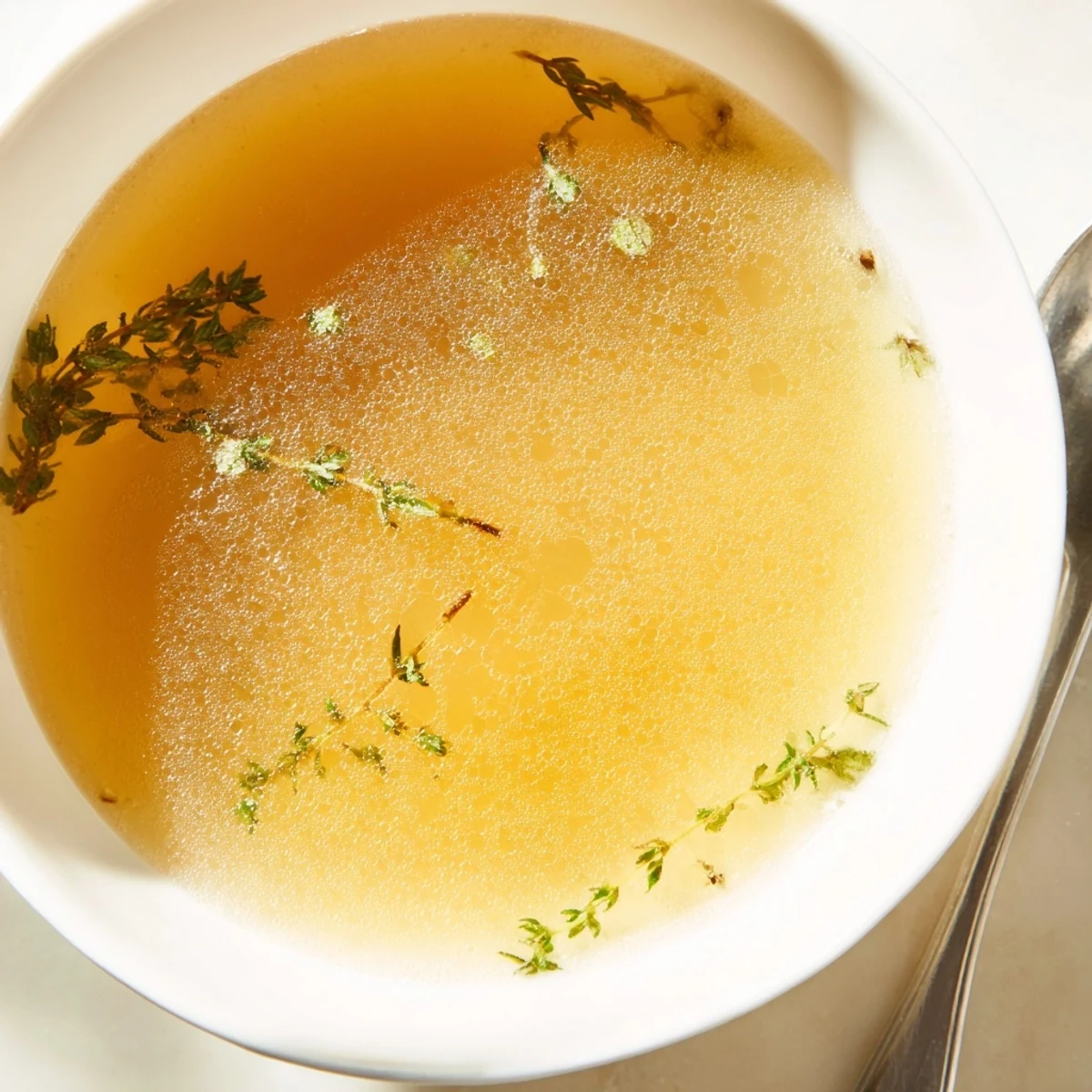
 This aromatic broth combines fresh carrots, celery, onion, leek, and herbs like parsley, thyme, rosemary, and bay leaves simmered slowly to extract deep flavors. It offers a light, savory base suitable for soups, risottos, or enjoyed on its own. The process involves simmering the vegetables and herbs in water for an hour, then straining to yield a clear, flavorful liquid. Optional roasting of vegetables adds complexity. Perfect for vegan and gluten-free diets, this broth is an easy and healthy foundation in cooking.
Last winter, between holiday hosting chaos and a nasty head cold, I found myself completely out of store-bought broth. Too tired to run to the store but craving something nourishing, I threw whatever wilted vegetables I could find into a pot with water and hoped for the best. That impromptu simmer changed everything about how I think about soup bases.
My grandmother would laugh at how complicated I used to make this. She cooked broth for decades without measuring anything, just tossing in veggie ends and bits from the garden. Now I finally understand that the best broth comes from what you have, not what you plan.
Ingredients
- 2 medium carrots: Sweet earthiness that forms the backbone of flavor
- 2 celery stalks: Essential aromatic depth
- 1 large onion: quartered, skins on for rich color
- 1 leek: white and light green parts only, sliced and thoroughly washed
- 1 medium parsnip: optional but adds lovely sweetness
- 2 cloves garlic: smashed gently to release oils
- 1 small bunch fresh parsley: stems and all
- 4-5 sprigs fresh thyme: woody stems add subtle pine notes
- 2 sprigs fresh rosemary: use sparingly, its powerful
- 2 bay leaves: dried or fresh work beautifully
- 10 whole black peppercorns: crushed between your fingers
- 1 ½ teaspoons salt: adjust later, this is just a starting point
- 2 liters cold water: cold draws out flavors more slowly than hot
Instructions
- Prep your vegetables:
- Wash everything well and chop into large chunks, no need for precision here
- Combine in the pot:
- Add carrots, celery, onion, leek, parsnip, and garlic to your largest stockpot
- Add herbs and seasonings:
- Toss in parsley, thyme, rosemary, bay leaves, peppercorns, and salt
- Cover with water:
- Pour in cold water until everything is submerged by at least 2 inches
- Bring to a boil:
- Set over medium-high heat and watch for bubbles to start breaking the surface
- Simmer gently:
- Reduce to low heat and cook uncovered for 1 hour, skimming any foam that rises to the top
- Strain carefully:
- Remove from heat, then pour through a fine-mesh sieve, pressing gently on vegetables to extract liquid
- Season to taste:
- Add more salt if needed, then cool completely before storing
 Pin it
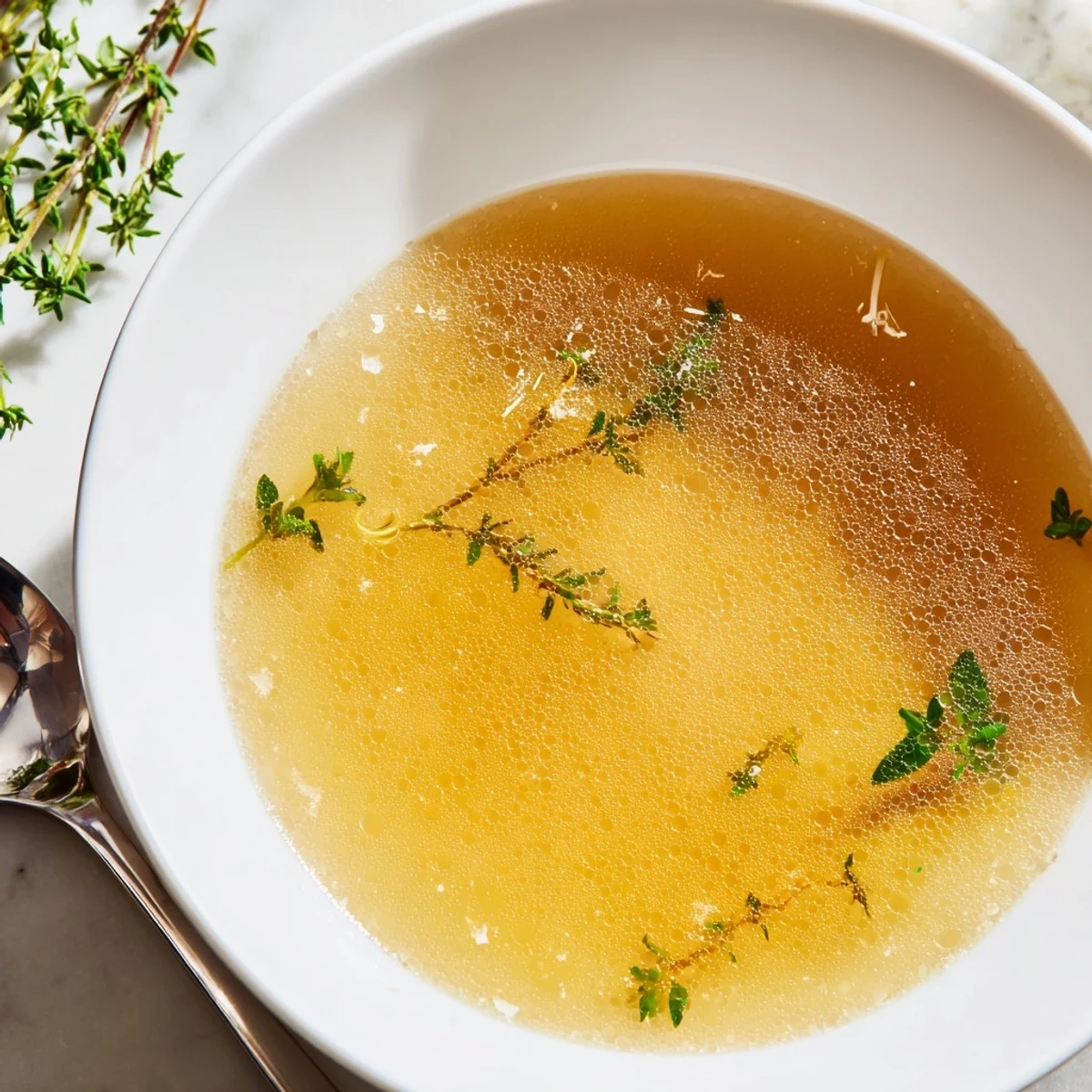
 The first time I served this to my skeptical friends, they honestly thought I used premium store-bought stock. Their genuine shock when they learned it was just carrot peels and onion ends is one of my favorite kitchen memories.
Making It Your Own
Every batch tells a different story depending on what vegetables you have on hand. I once added roasted tomato ends from a pasta prep session and created the most deeply colored broth I have ever made.
Storage Solutions
My freezer now has a dedicated shelf for broth containers in 1-cup portions. The morning I realized I could just grab exactly what I needed for risotto without defrosting a giant container was a game changer.
Ways to Use It
Beyond the obvious soups and stews, this broth shines in places you might not expect. Cooking grains in it transforms plain rice into something special. A warm mug with a squeeze of lemon becomes a comforting ritual. Even simple steamed vegetables become noteworthy when finished with a splash of homemade broth.
- Freeze in ice cube trays for adding instant flavor to sauces
- Use it to deglaze pans after searing meats or vegetables
- Keep a jar in the fridge for quick weeknight meal starts
 Pin it
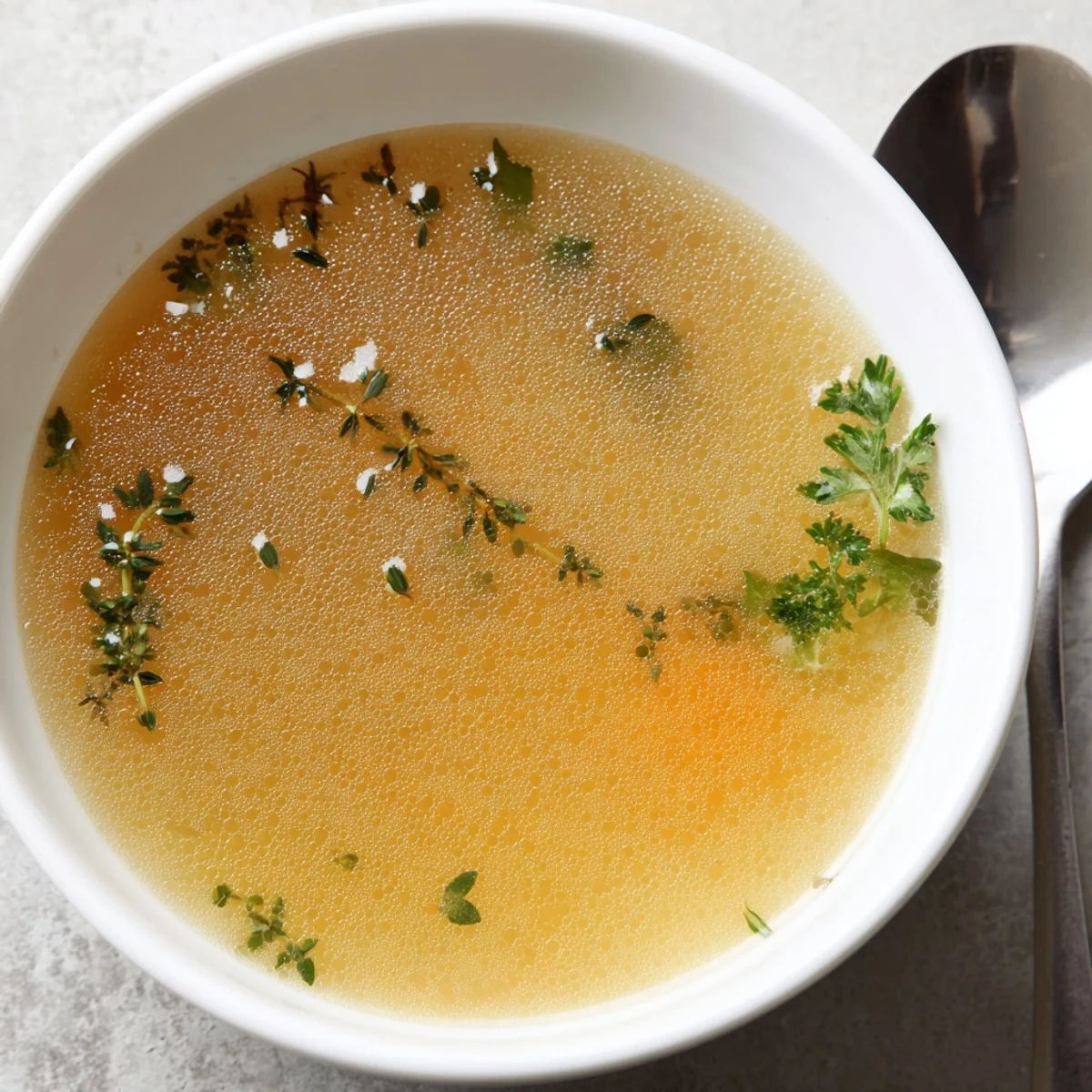
 Once you experience the difference homemade broth makes, store-bought versions will taste watery and forgettable. This simple hour of simmering transforms everything it touches.
Recipe FAQs
- → What vegetables are ideal for this broth?
-
Carrots, celery, onion, leek, and optionally parsnip provide a balanced aromatic base for a flavorful broth.
- → How long should the broth simmer?
-
Simmer the mixture uncovered for about 1 hour to fully develop the flavors without boiling vigorously.
- → Can the broth be enhanced for richer taste?
-
Roasting the vegetables before simmering intensifies the flavor, adding depth and complexity.
- → What herbs contribute most to the aroma?
-
Fresh parsley, thyme, rosemary, and bay leaves infuse the broth with fresh, vibrant herbal notes.
- → How should the broth be stored?
-
After cooling, refrigerate for up to 5 days or freeze for up to 3 months to preserve freshness.
- → Is the broth suitable for special diets?
-
Yes, it is vegan, gluten-free, and low in fat, making it suitable for various dietary needs.