
 Pin it
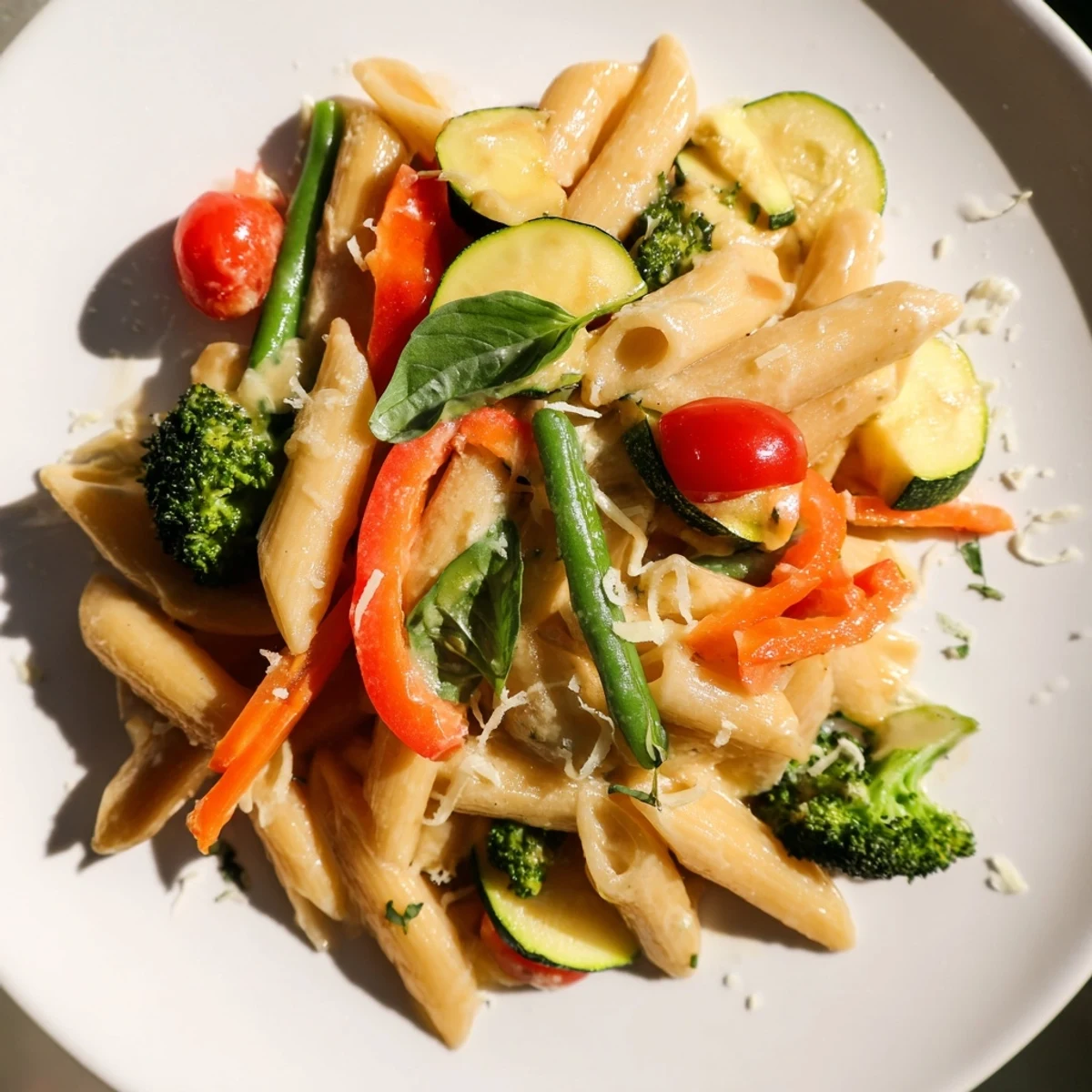
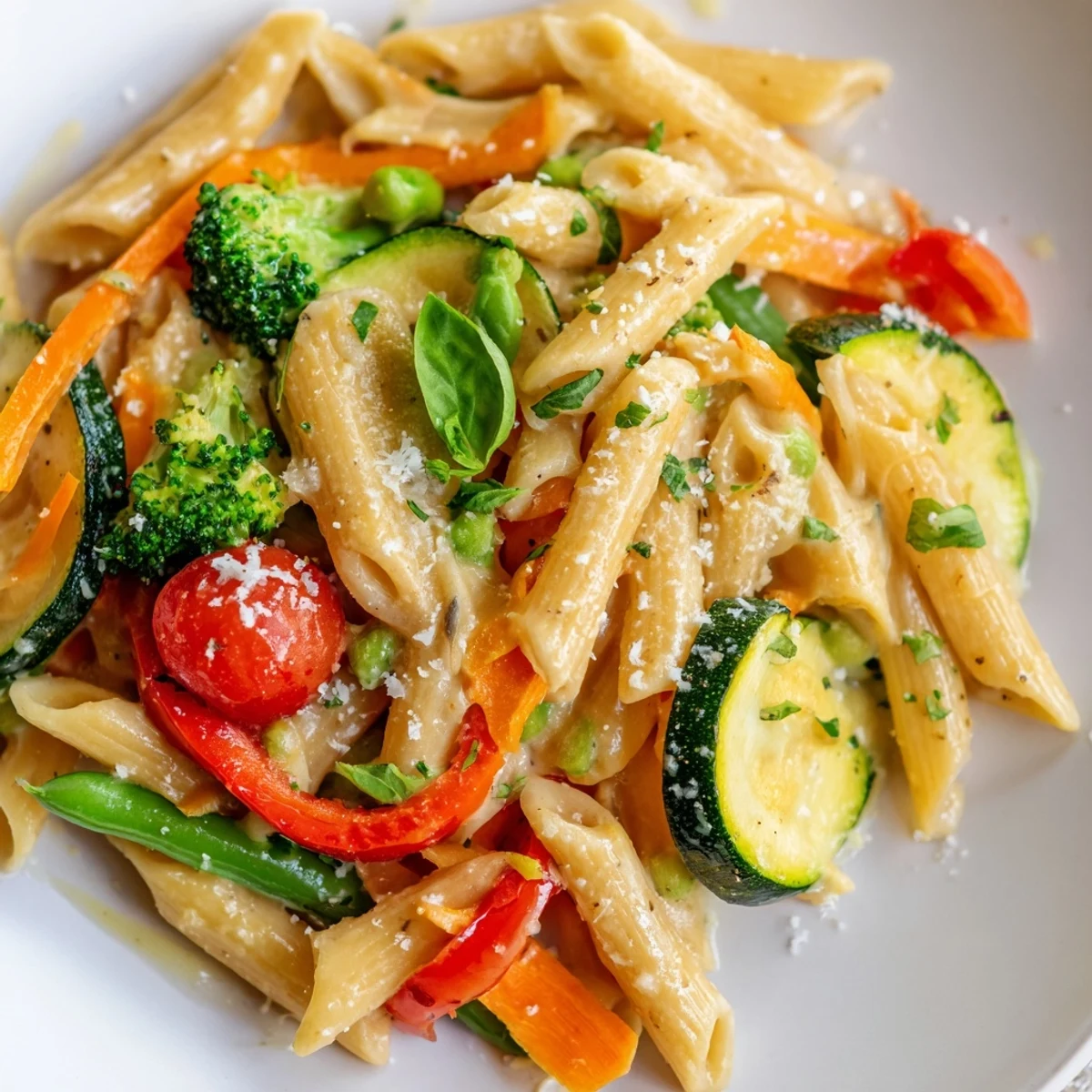
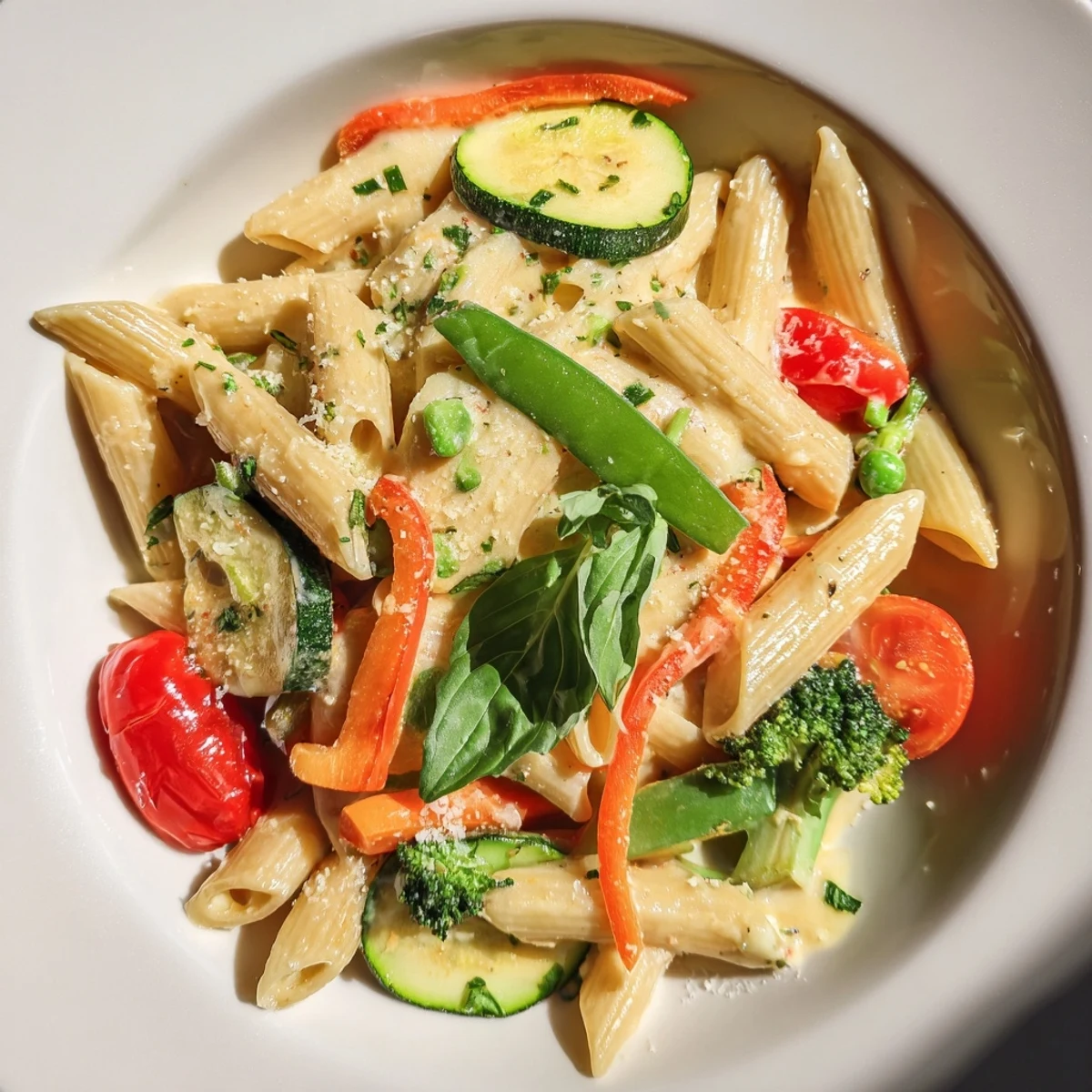
 This vibrant creamy pasta primavera features fresh seasonal vegetables like zucchini, bell pepper, and snap peas. The vegetables are sautéed until tender, then tossed with al dente penne or fettuccine in a luscious heavy cream and Parmesan sauce finished with lemon zest. It is an ideal choice for quick, satisfying spring or summer dinners that celebrate garden produce.
There's something magical about the moment when pasta water hits cream and everything turns silky—that's when I knew this dish would become a weeknight staple. I'd been standing at my stove on a Tuesday evening, watching spring vegetables tumble into a hot pan, and suddenly the kitchen smelled like garlic and butter and possibility. This creamy pasta primavera arrived not from a cookbook but from a simple question: what if I combined fresh vegetables with the richness I actually craved? It's been my answer ever since.
I made this for my neighbor during her first week in our building, and she brought back the empty bowl with a sticky note that just said 'teach me.' That's when I realized this wasn't just dinner—it was a way of saying welcome, of sharing something that tastes like care.
Ingredients
- Penne or fettuccine (350 g): Penne cups the sauce beautifully, but fettuccine lets you wind it around your fork—pick based on your mood.
- Zucchini, red bell pepper, broccoli, snap peas, carrot: These aren't suggestions; they're the backbone, though you can swap for asparagus or mushrooms depending on what looks best at the market.
- Cherry tomatoes (1 cup): The acidity here prevents the cream from feeling heavy, so don't skip them or substitute with regular tomatoes.
- Garlic (2 cloves, minced): Finely minced—not sliced—so it melts into the oil and becomes invisible.
- Olive oil and unsalted butter (2 tbsp each): The combination matters; oil alone tastes thin, but butter alone can break, so we use both.
- Heavy cream (200 ml): Whipping cream is the right choice here—don't reach for the ultra-pasteurized stuff that refuses to thicken.
- Parmesan cheese (60 g grated): Fresh grated, not pre-grated in a bag—the coating in packaged cheese stops it from melting smoothly.
- Lemon zest: This single ingredient is why people ask for your recipe; it brightens everything without tasting citrusy.
- Fresh basil, salt, pepper, red pepper flakes: Basil goes in at the end so it stays green and fragrant, and red pepper flakes are optional but make people lean in and ask what that warmth is.
Instructions
- Start the pasta water:
- Fill a large pot about three-quarters full with cold water, add a generous pinch of salt, and bring it to a hard boil. The salt is important—it seasons the pasta itself, not just coats it.
- Cook the pasta:
- Add your pasta and stir immediately so nothing sticks to the bottom. Cook to al dente (usually 2 minutes less than the package suggests), then fish out a mug of starchy water before draining; that water is liquid gold for loosening the sauce later.
- Build the base:
- While the pasta cooks, warm olive oil and butter together in a large skillet over medium heat. When the butter starts to foam slightly, add your minced garlic and listen for the sizzle—it should smell incredible within 30 seconds.
- Add the hearty vegetables first:
- Carrots and broccoli take longer to soften, so they go in first for about 2 minutes. You want them to lose their raw edge but keep their color and snap.
- Introduce the softer vegetables:
- Add the zucchini, bell pepper, and snap peas now, cooking for 3 to 4 minutes until everything is just tender. The vegetables should still have enough body that they don't fall apart when you stir.
- Add the tomatoes and finish cooking:
- Slide in the cherry tomatoes and cook for 2 more minutes—they'll warm through and start to soften slightly but shouldn't collapse into sauce.
- Make the cream sauce:
- Lower the heat to low and pour in your cream slowly, stirring constantly. Add half the Parmesan and keep stirring until the cheese melts and the sauce becomes smooth and glossy—this takes about a minute of patient stirring.
- Season and bring it together:
- Add your lemon zest, red pepper flakes if you like warmth, salt, and pepper. Taste it now and adjust, because once the pasta goes in, it's harder to fix seasoning.
- Combine pasta and sauce:
- Add the drained pasta to the skillet and toss everything together, pouring in a splash of reserved pasta water if the mixture looks thick or dry. The sauce should cling to the pasta but still move when you plate it.
- Finish and serve:
- Tear in the fresh basil, sprinkle the remaining Parmesan over the top, give everything one final toss, and serve immediately while it's hot and the basil is still bright.
 Pin it
 My daughter once told me this was the first dinner I made that didn't taste 'like trying,' and that became my favorite compliment. Sometimes the best food is the kind that feels like it came together without effort, even though it absolutely did.
Timing and Temperature Matter More Than You'd Think
This dish lives in the space between rushed and overcooked, so get your vegetables prepped before you start cooking—there's no time to chop while things are sizzling. Medium heat gives you control; high heat causes the cream to break and the vegetables to soften too fast. If you're new to cooking, this recipe teaches you something valuable: watching and tasting as you go teaches you more than any timer can.
How to Make It Your Own Without Breaking It
Asparagus works beautifully in place of snap peas, and fresh mushrooms add an earthy depth if you sauté them first. You can use half-and-half instead of heavy cream, though the sauce will be thinner and more delicate—add a touch more Parmesan if you go this route to keep the flavor punchy. The red pepper flakes are optional, but people always taste them and wonder what makes it special, so I'd lean toward including them even if you don't like spice.
- Swap vegetables based on the season—peas in spring, zucchini in summer, mushrooms in fall.
- If the sauce seems too thick after a few minutes sitting, add more pasta water one splash at a time.
- Leftover pasta can be gently reheated in a low oven with a tiny bit of cream or pasta water to restore the silky texture.
Pairing and Serving
A crisp Sauvignon Blanc or Pinot Grigio cuts through the cream beautifully, and the acidity balances the lemon in a way that makes every bite taste brighter. Serve this family-style straight from the skillet if you're eating with people you're comfortable with, or plate it carefully if presentation matters—either way, eat it hot while the pasta is still clinging to the sauce.
 Pin it
 This recipe has fed me on busy Tuesdays, impressed unexpected guests, and proven that simple ingredients cooked with attention taste better than complicated food made on autopilot. Make it often enough and it becomes the dish people request, the one that tastes like your kitchen.
Recipe FAQs
- → Can I use different pasta shapes?
-
Yes, while penne and fettuccine work well, short shapes like fusilli or farfalle also hold the creamy sauce and vegetables nicely.
- → How do I store leftovers?
-
Store cooled leftovers in an airtight container in the refrigerator for up to three days. Reheat gently with a splash of water or milk to loosen the sauce.
- → Can I make this dish lighter?
-
For a lighter version, substitute the heavy cream with half-and-half or whole milk, though the sauce will be less thick and rich.
- → Is this suitable for vegetarians?
-
Yes, this dish is vegetarian as it contains no meat products, using vegetables, dairy, and pasta for a complete meal.
- → What vegetables can I swap in?
-
You can easily swap seasonal vegetables such as asparagus, green peas, mushrooms, or spinach depending on what is fresh and available.