
 Pin it
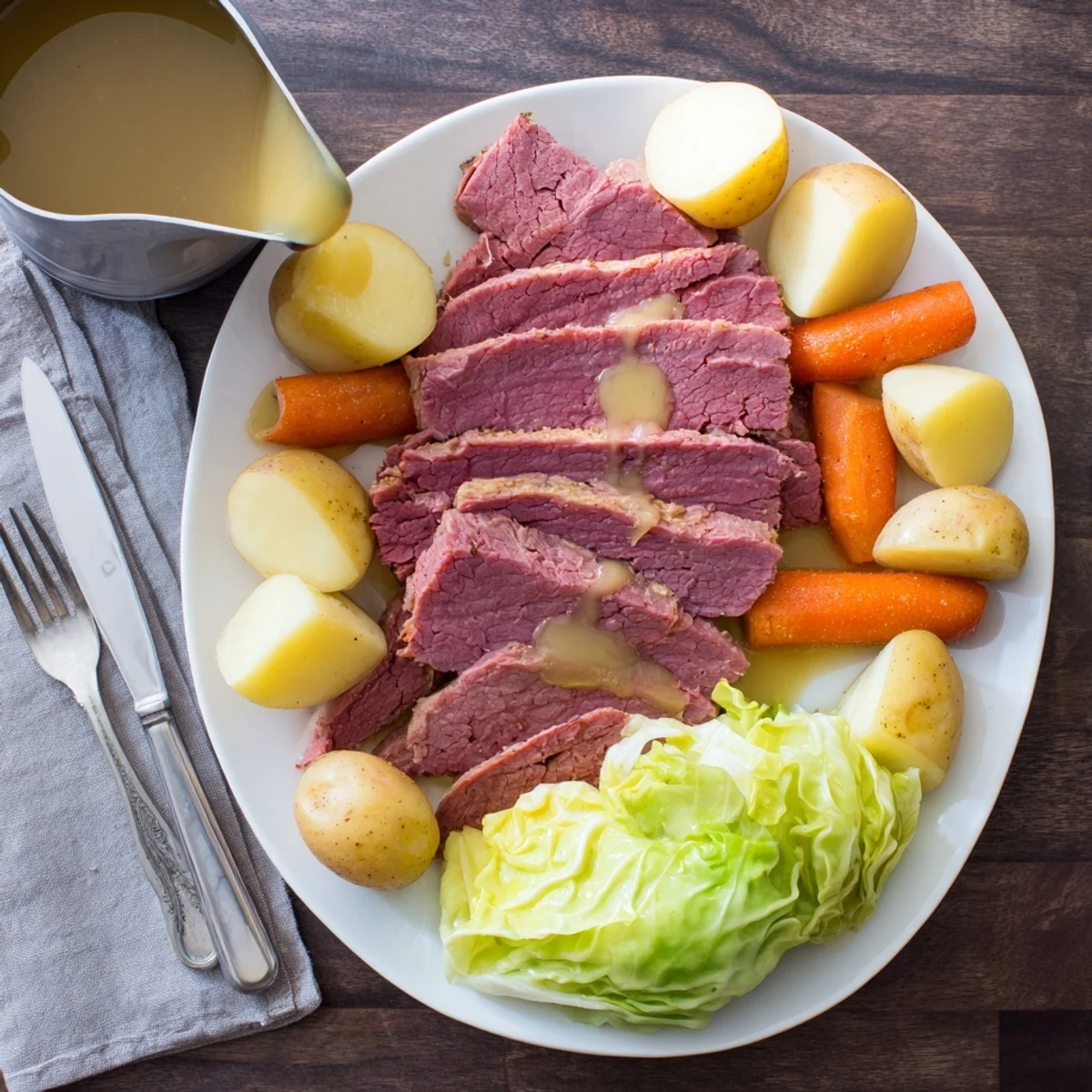
 This classic Irish-American dish transforms tough corned beef brisket into fork-tender perfection through slow cooking. The beef simmers with aromatics in low-sodium beef broth, absorbing pickling spices and bay leaf notes for eight hours. During the final stage, cabbage wedges join tender carrots, Yukon gold potatoes, and onion, creating a complete one-pot meal.
The method requires just twenty minutes of active preparation—the slow cooker does all the heavy lifting. Serve slices against the grain with vegetables and a ladle of the rich cooking liquid. Traditional accompaniments like horseradish or Dijon mustard add complementary brightness, while crusty bread soaks up the flavorful broth.
My grandmother used to make corned beef and cabbage every St. Patrick's Day, and the smell would fill the entire house for hours. I've recreated that magic with a slow cooker version that's even easier than her stovetop method. The house still smells amazing, but now I can actually enjoy the day instead of hovering over a boiling pot.
Last year, I made this for a small dinner party and my friend Sarah literally asked to take home the leftover cooking liquid. She said it was the best soup base she'd ever tasted. Now I always make extra just so I can share that liquid gold with people who appreciate it.
Ingredients
- 3 to 4 lb corned beef brisket with spice packet: The fat cap renders down and keeps the meat incredibly moist while cooking
- 1 small head green cabbage: Cut into wedges so they hold their shape but still get tender in the broth
- 6 medium carrots: These become sweet and almost candy-like after hours in the slow cooker
- 6 small Yukon gold potatoes: They hold their texture better than russets and taste buttery even without added butter
- 1 large yellow onion: Cut into wedges so they melt into the background and add depth to the broth
- 3 garlic cloves: Smashed so their flavor infuses throughout without being overpowering
- 4 cups low-sodium beef broth: Using low-sodium lets you control the salt level since corned beef is already cured
- 2 cups water: Dilutes the broth slightly so the vegetables don't become too salty
- Spice packet from corned beef: This proprietary blend is already perfectly balanced for the beef
- 2 bay leaves: Add an earthy, subtle background note that ties everything together
- Freshly ground black pepper: Adds a little warmth to complement the spices in the cure
Instructions
- Prep the beef:
- Rinse the corned beef under cold water to remove any excess salt from the curing process, then pat it dry with paper towels. Place it fat-side up in the bottom of your slow cooker so the fat renders down and bastes the meat as it cooks.
- Add the spices:
- Sprinkle the included spice packet evenly over the beef so the flavors penetrate while it cooks.
- Arrange the vegetables:
- Place the potatoes, carrots, onion wedges, and smashed garlic cloves around and on top of the beef in a single layer as much as possible. They'll shrink down as they cook, so don't worry about crowding.
- Add the liquid:
- Pour in the beef broth and water until the beef is just submerged. Tuck the bay leaves into the liquid and add several generous grinds of black pepper.
- Start the slow cook:
- Cover and cook on low for 6 hours. The beef should be very tender but not falling apart yet.
- Add the cabbage:
- Gently nestle the cabbage wedges on top of everything. Cover and continue cooking on low for 2 more hours until the cabbage is tender and the beef easily pulls apart with a fork.
- Rest and slice:
- Transfer the beef to a cutting board and let it rest for 10 minutes. Slice against the grain into thin strips for the most tender texture.
- Serve it up:
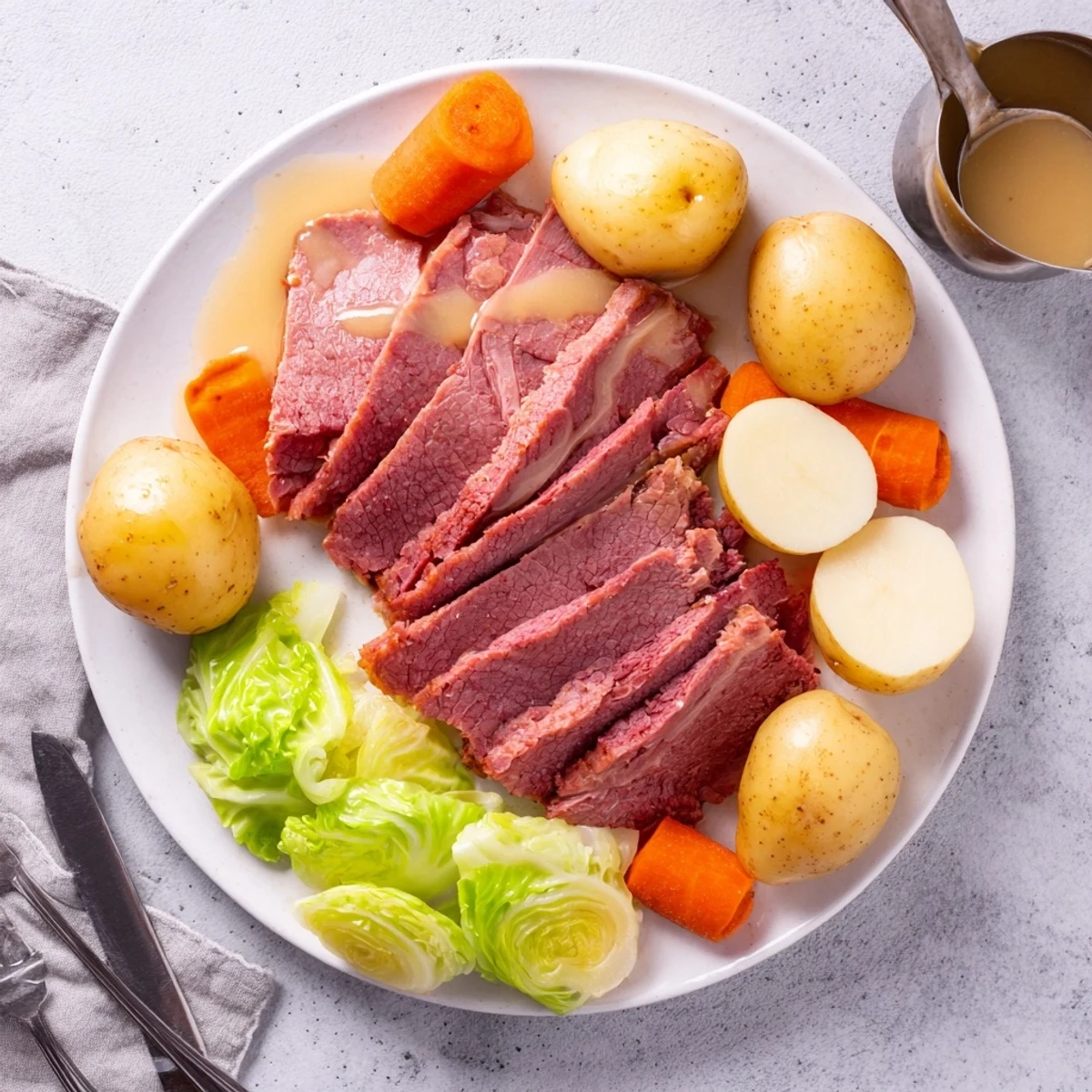
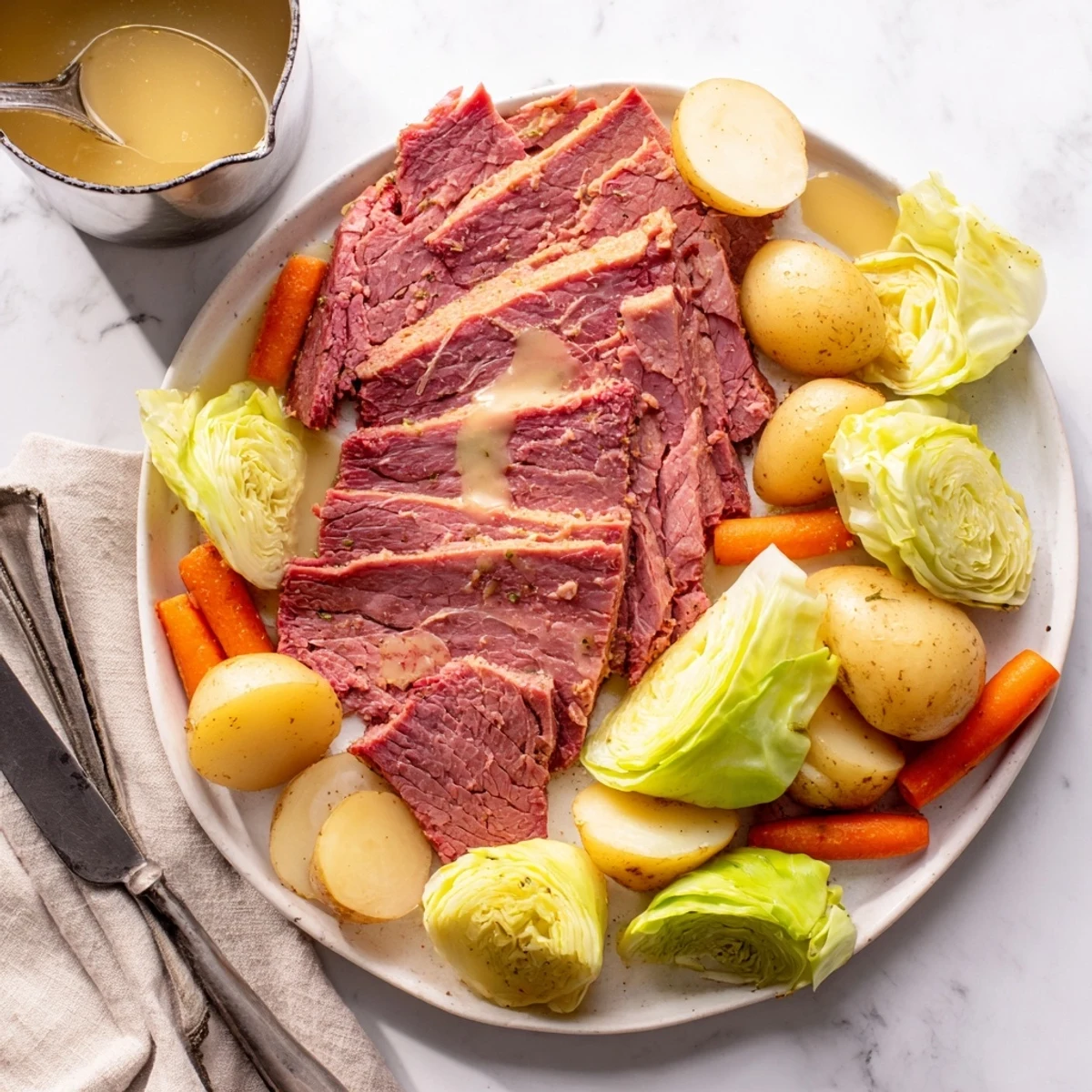
- Arrange sliced beef on plates with the vegetables alongside. Ladle some of that flavorful cooking liquid over everything before serving.
 Pin it
 This recipe has become my go-to for rainy Sundays when I want something comforting but don't want to spend all day in the kitchen. There's something so satisfying about checking on the slow cooker throughout the day and watching it transform into something wonderful.
Making It Your Own
I've experimented with adding a bottle of Guinness instead of some of the water, and it adds such a rich depth that pairs perfectly with the corned beef. You can also throw in some parsnips or turnips if you want more root vegetables.
Serving Suggestions
A dollop of prepared horseradish or grainy Dijon mustard cuts through the richness beautifully. I love serving this with crusty bread to soak up the broth, though my Irish grandmother would probably insist on boiled new potatoes instead.
Storage & Reheating
This dish actually tastes better the next day after the flavors have had time to mingle. Store everything together in the refrigerator for up to 4 days. The broth will congeal slightly but melts back into liquid when reheated.
- Reheat gently on the stove with a splash of water to prevent drying out
- Freeze portions for up to 3 months if you won't eat it within a few days
- The leftover beef makes incredible Rueben sandwiches with Swiss cheese and thousand island dressing
 Pin it
 There's something so deeply comforting about a meal that cooks itself while filling your home with incredible aromas. This is the kind of food that makes people feel loved and cared for.
Recipe FAQs
- → Why add cabbage during the last 2 hours?
-
Cabbage cooks much faster than the beef and root vegetables. Adding it during the final two hours prevents the wedges from becoming mushy while still allowing them to absorb the savory cooking liquid and develop tenderness.
- → Should I rinse the corned beef first?
-
Yes, rinsing under cold water removes excess salt from the brining process. This step helps balance the final flavor profile, especially important since the beef continues to season the cooking liquid as it simmers.
- → What does fat-side up accomplish?
-
Placing the brisket fat-side up allows the rendered fat to baste the meat as it cooks. This natural self-basting keeps the corned beef moist and adds flavor throughout the long cooking time.
- → Can I cook on high instead of low?
-
While possible, low heat produces better results. High heat may toughen the meat fibers rather than breaking them down gently. If time is limited, cook on high for 4-5 hours, but texture may suffer slightly.
- → Why rest the meat before slicing?
-
Resting for 10 minutes allows juices to redistribute throughout the brisket. Slicing immediately causes precious flavorful liquid to escape onto the cutting board, resulting in drier meat.