
 Pin it
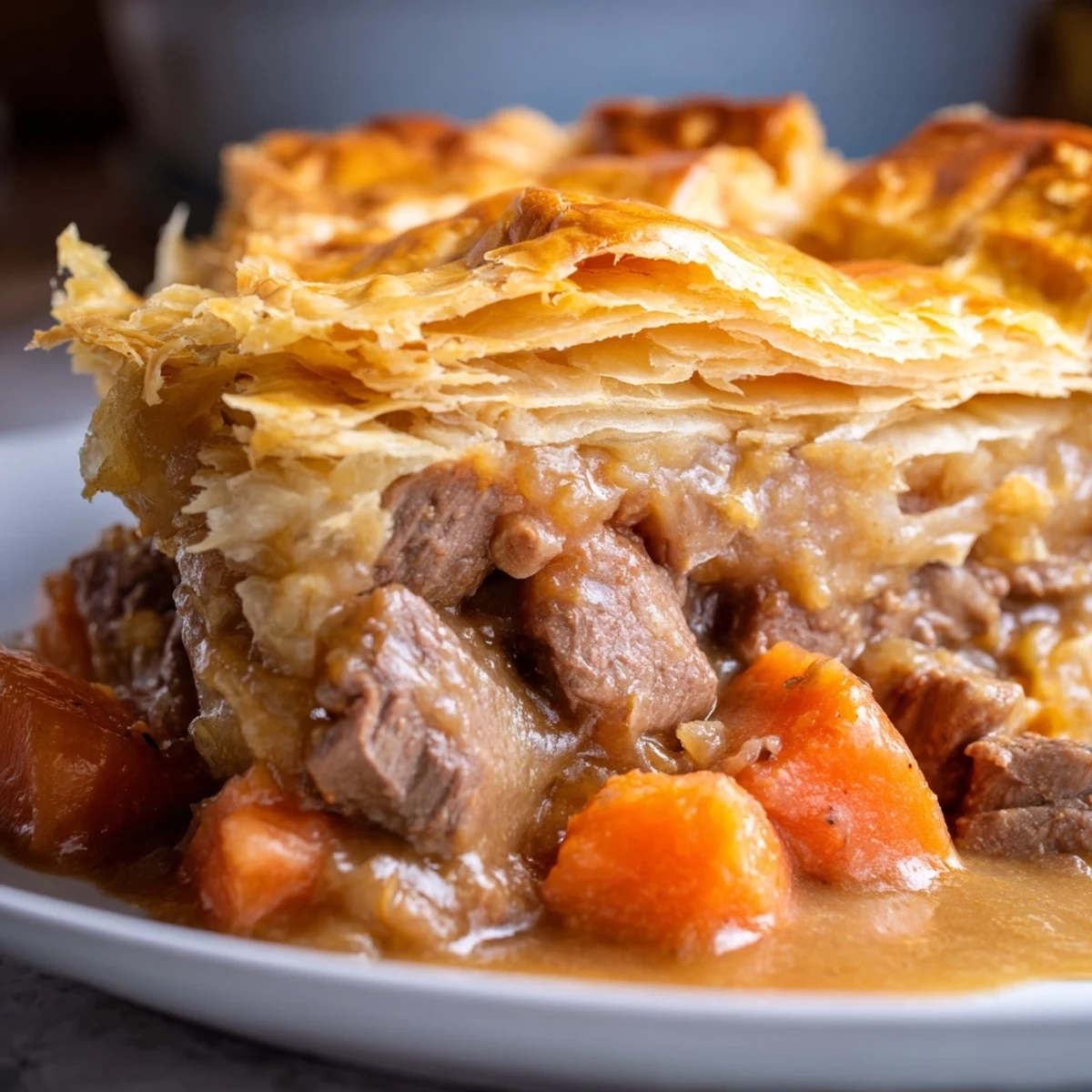
 This comforting dish features tender beef cubes and vegetables simmered in a rich gravy, all encased in a homemade buttery crust. The pastry is made from scratch with cold butter to ensure maximum flakiness, while the filling is slow-cooked with red wine and herbs for depth of flavor. Serve hot for a satisfying meal.
There's something about the smell of beef pie baking that fills a kitchen with pure comfort. My mum would make this on grey Sundays, and the whole house would smell like wine, thyme, and buttery pastry long before dinner was ready. I learned to make it watching her work quietly at the counter, layering flavors without fuss, trusting that the slow simmer would do the magic. Now when I make it, I'm cooking alongside all those quiet afternoons.
I remember making this for my partner on our first winter together, nervous about the pastry, worried it would turn out heavy or greasy. It didn't. That pie became the dish I knew meant home to us, the one we request on birthdays and cold nights.
Ingredients
- All-purpose flour (2 ½ cups): The foundation of your crust, so measure it by weight if you can for the best texture and a more reliable flake.
- Cold unsalted butter (1 cup): Cold is everything here; if it warms up, your pastry won't be flaky, so keep it chilled and work quickly.
- Ice water (½ cup): Add it gradually and stop the moment your dough holds together; overworking ruins flakiness.
- Beef chuck (2 lbs): This cut has enough fat and connective tissue to become incredibly tender during the long simmer.
- Red wine (1 cup): It adds depth and richness; don't use anything you wouldn't drink, but it doesn't need to be expensive.
- Beef broth (1 cup): Quality matters here since it's a main flavor; good broth makes a noticeable difference in the finished gravy.
- Tomato paste (2 tbsp): A spoonful of umami that rounds out all the savory notes without making the pie taste tomatoey.
- Fresh thyme (1 tsp): Fresh is better than dried, but if you only have dried, use half the amount and add it earlier in cooking.
- Worcestershire sauce (1 tsp): Just enough to make people wonder what that subtle something is that makes it taste so good.
- Frozen peas (1 cup): They add brightness and a bit of sweetness; add them at the very end so they stay intact.
Instructions
- Make the pastry first:
- Whisk flour and salt together, then work in cold butter cubes with a pastry blender or your fingertips until it looks like coarse breadcrumbs. Gradually add ice water, mixing just until the dough barely holds together. Divide it in half, flatten each into a disk, wrap in plastic, and refrigerate for at least an hour; this resting time is what makes it flaky, not just tender.
- Brown the beef:
- Season your beef generously with salt and pepper, then sear it in hot oil in batches until deeply browned on all sides. This takes patience, but that color means flavor, so don't rush it or crowd the pan.
- Build the filling base:
- Soften your onion, garlic, carrots, and celery in the same pot, letting them get golden and fragrant. Stir in tomato paste and let it caramelize slightly, then dust with flour and cook another minute to create the base of your gravy.
- Simmer the filling:
- Return the beef to the pot, add broth, wine, Worcestershire, thyme, and bay leaf, then bring to a boil and lower to a gentle simmer covered for about an hour. The beef should be so tender it breaks apart with a spoon when it's ready.
- Finish and cool:
- Stir in the peas for the last 5 minutes, then remove the bay leaf and let everything cool to room temperature. This step is crucial; a warm filling will make your crust soggy, so be patient here.
- Assemble the pie:
- Roll out one pastry disk on a floured surface and line your pie dish, then fill it with the cooled beef mixture. Roll out the second disk, lay it over the filling, trim the edges, seal and crimp them, then cut a few slits to let steam escape and brush with beaten egg for that golden shine.
- Bake until golden:
- Place the pie on a baking sheet and bake at 400°F for 40 to 45 minutes until the crust is deep golden brown. Let it rest for 15 minutes after coming out of the oven; this helps the filling set so it doesn't run when you slice.
 Pin it
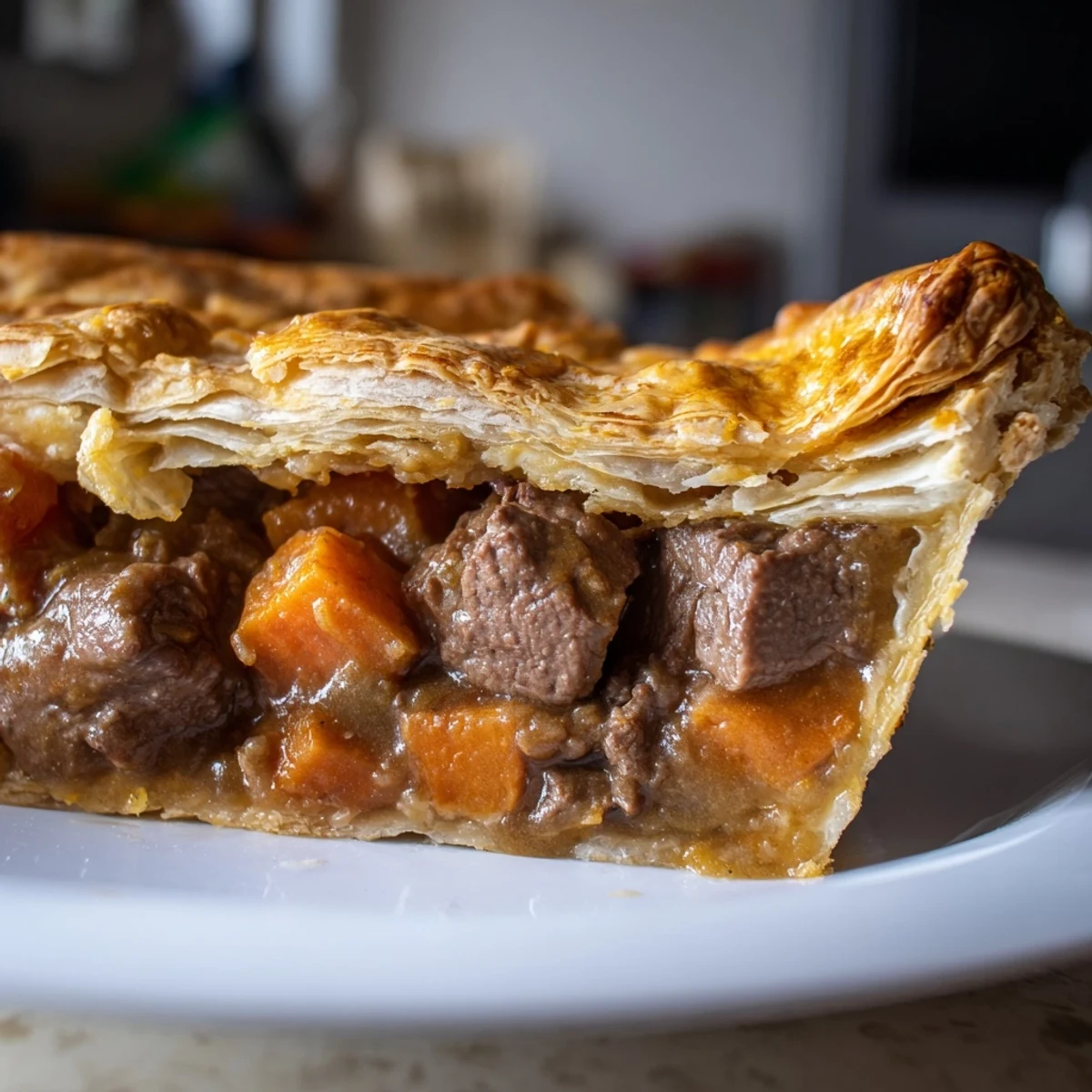
 There's a moment when you pull this pie from the oven and the kitchen fills with that buttery, savory steam, and you realize you've made something real and generous. It's the kind of dish that sits at the center of a table and makes everyone slow down.
The Secret to a Truly Flaky Crust
The difference between a good crust and a transcendent one is often just temperature and restraint. Keep everything cold, work quickly, and resist the urge to knead or overwork the dough. Those small pockets of butter trapped in the dough create steam as it bakes, and that steam is what lifts the layers into flakes. I've made this mistake of being too gentle and ending up with a tough crust, and I've made it by rushing and overworking, and both times the lesson stuck.
Filling Your Pie Like You Mean It
The beef filling is essentially a beef stew, and that's where all the flavor lives. Don't rush the browning of the beef or the simmering; those long, slow processes break down the meat's connective tissue and build layers of flavor that a quick cook never achieves. The wine and Worcestershire add complexity without shouting, and the vegetables should nearly disappear into the sauce, making it rich and dark.
Make It Your Own
Some cooks add mushrooms for earthiness, or a splash of balsamic vinegar for subtle sweetness. You can also add a pinch of mustard powder or even a small spoonful of anchovy paste, which you won't taste but which deepens everything. The pastry itself is forgiving; you can brush it with milk instead of egg if you prefer a matte finish, or leave out the egg wash entirely.
- Pair this with creamy mashed potatoes and a full-bodied red wine for the ultimate comfort meal.
- Leftovers keep well in the fridge for 3 days and reheat beautifully in a low oven, covered loosely with foil.
- If you're nervous about pastry, start with this recipe because the filling is so forgiving and delicious that even an imperfect crust tastes wonderful.
 Pin it
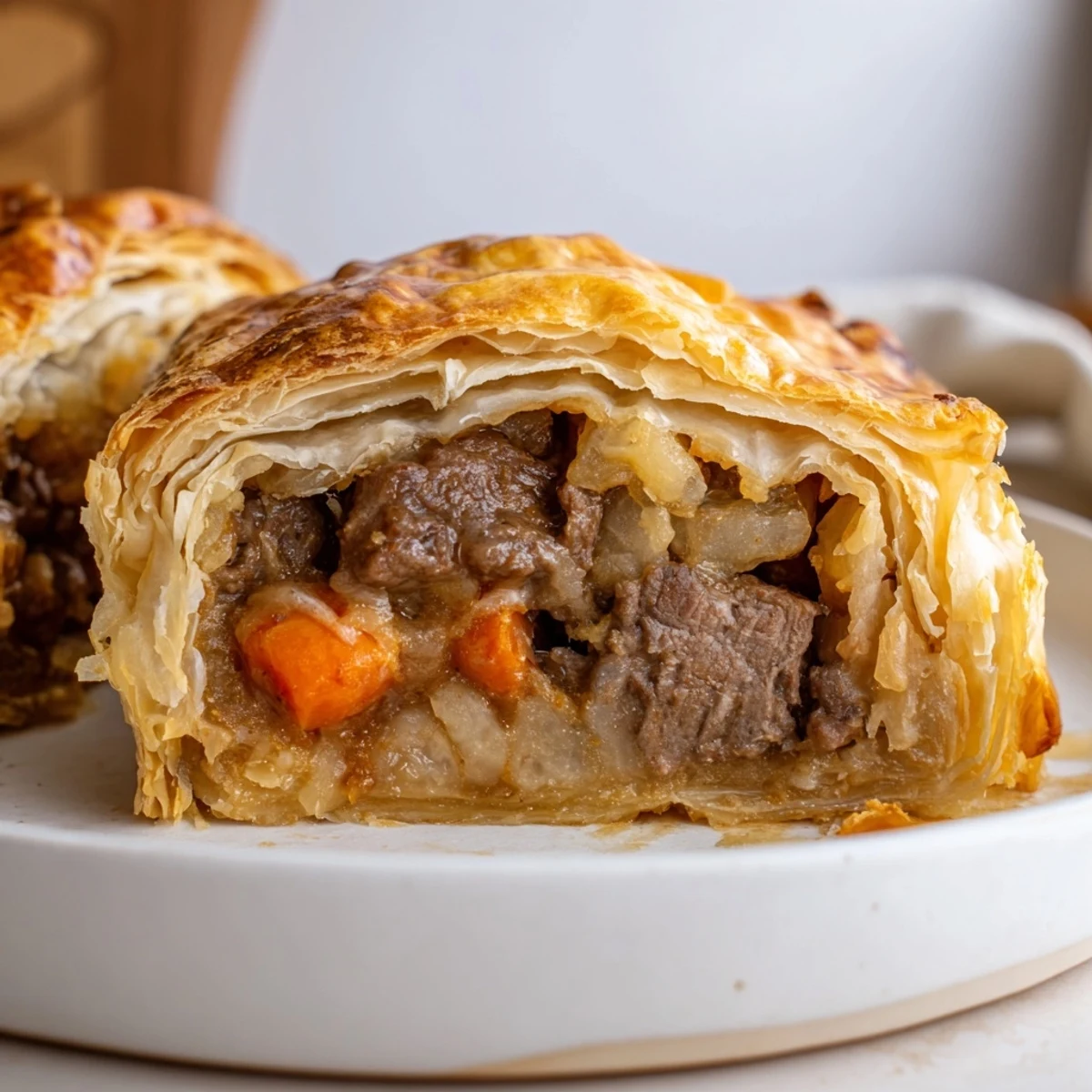
 This pie is more than dinner; it's an invitation to slow down and taste what patient cooking creates. Make it often, make it for people you love, and it will become as familiar and comforting to them as it is to you.
Recipe FAQs
- → What cut of beef is best?
-
Chuck roast is ideal because it becomes tender when slow-cooked, offering rich flavor and perfect texture.
- → Can I make the pastry ahead?
-
Yes, the dough can be prepared and refrigerated up to two days in advance, or frozen for longer storage.
- → How do I prevent a soggy bottom?
-
Ensure the filling is completely cooled before adding it to the pastry crust and baking at a high temperature.
- → Can I use store-bought pastry?
-
Absolutely, store-bought pie crust or puff pastry can be used as a time-saving substitute for the homemade version.
- → What wine pairs well?
-
A robust red wine like Cabernet Sauvignon or Merlot complements the rich beef and savory flavors beautifully.
- → How should leftovers be stored?
-
Wrap the pie tightly or transfer slices to an airtight container; refrigerate for up to three days.