
 Pin it
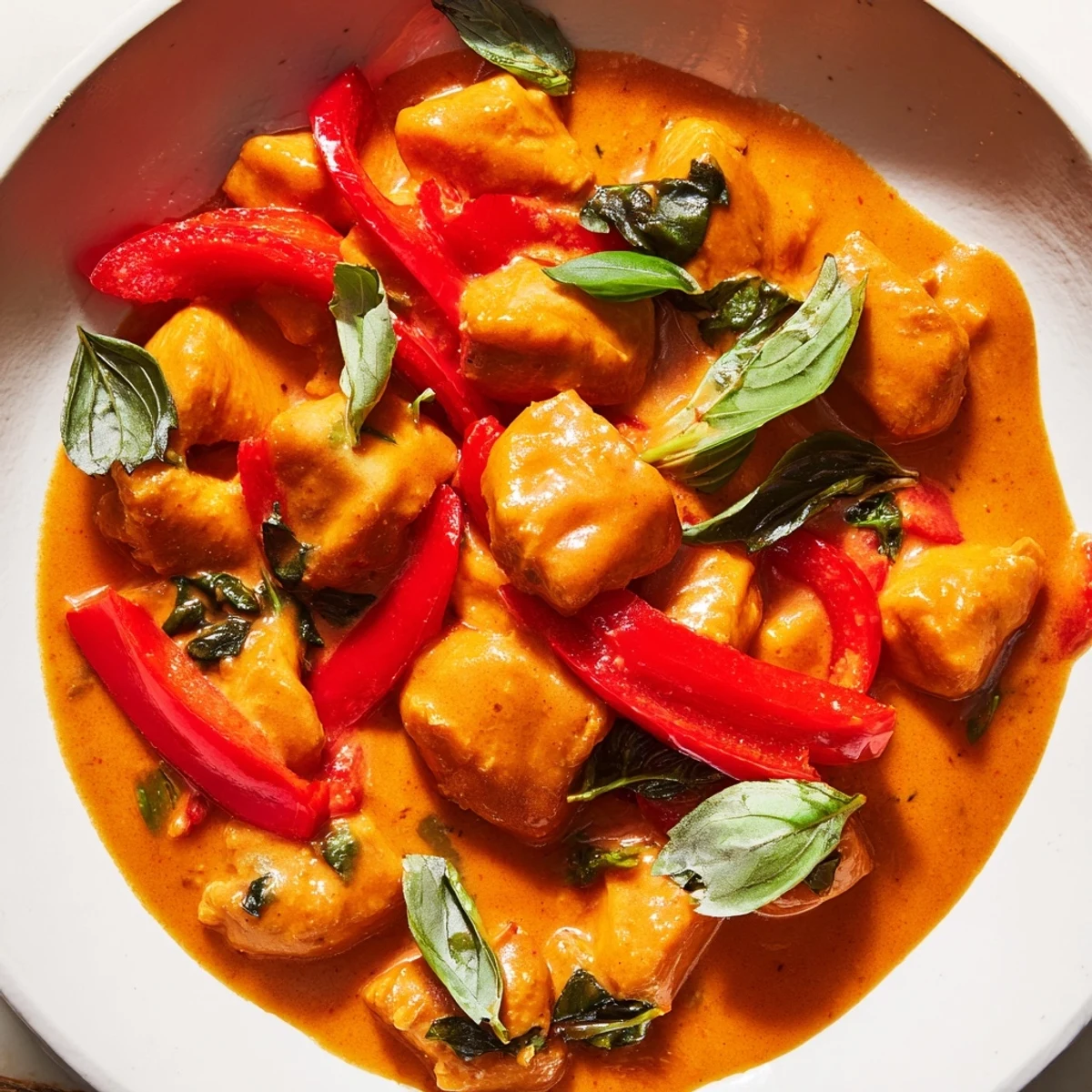
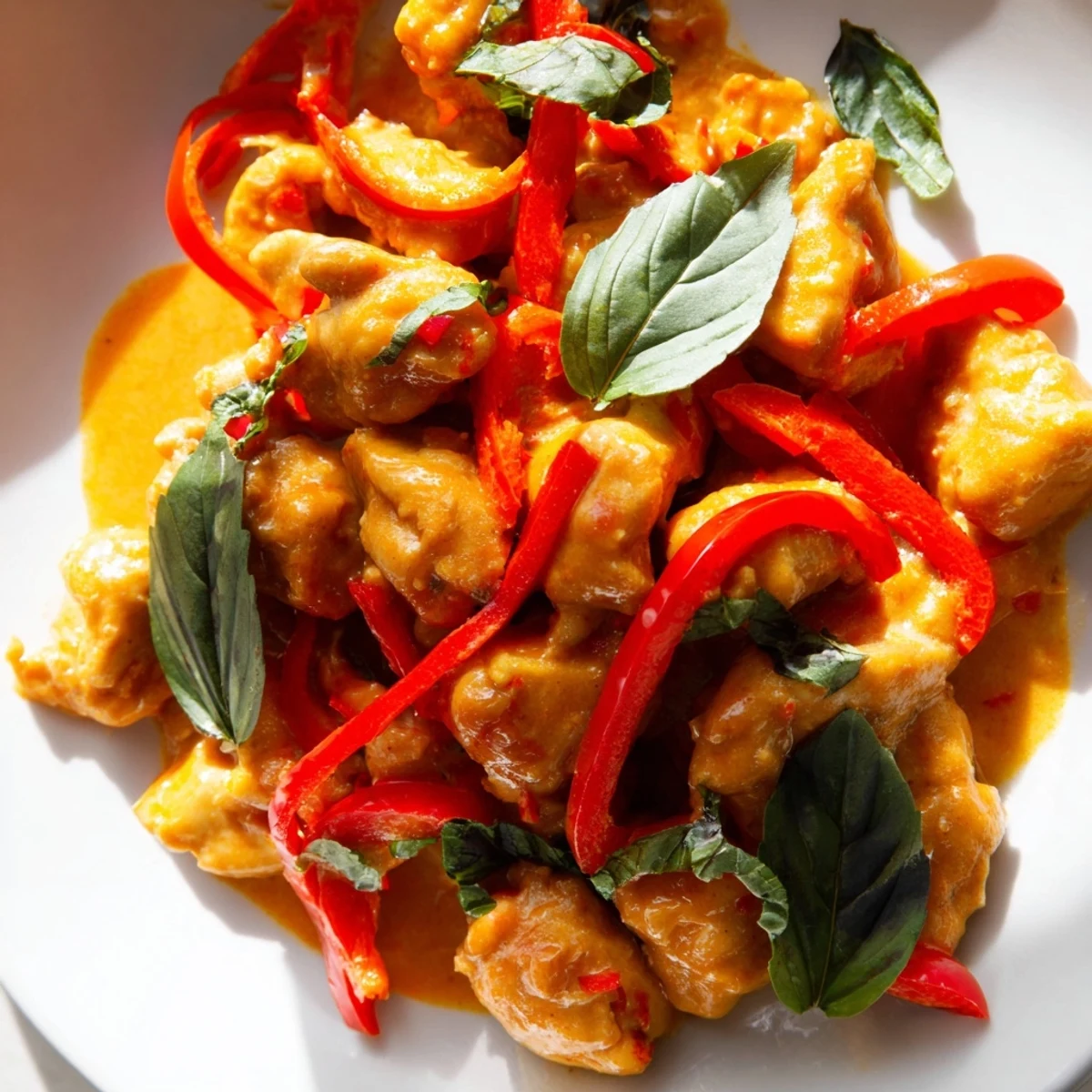
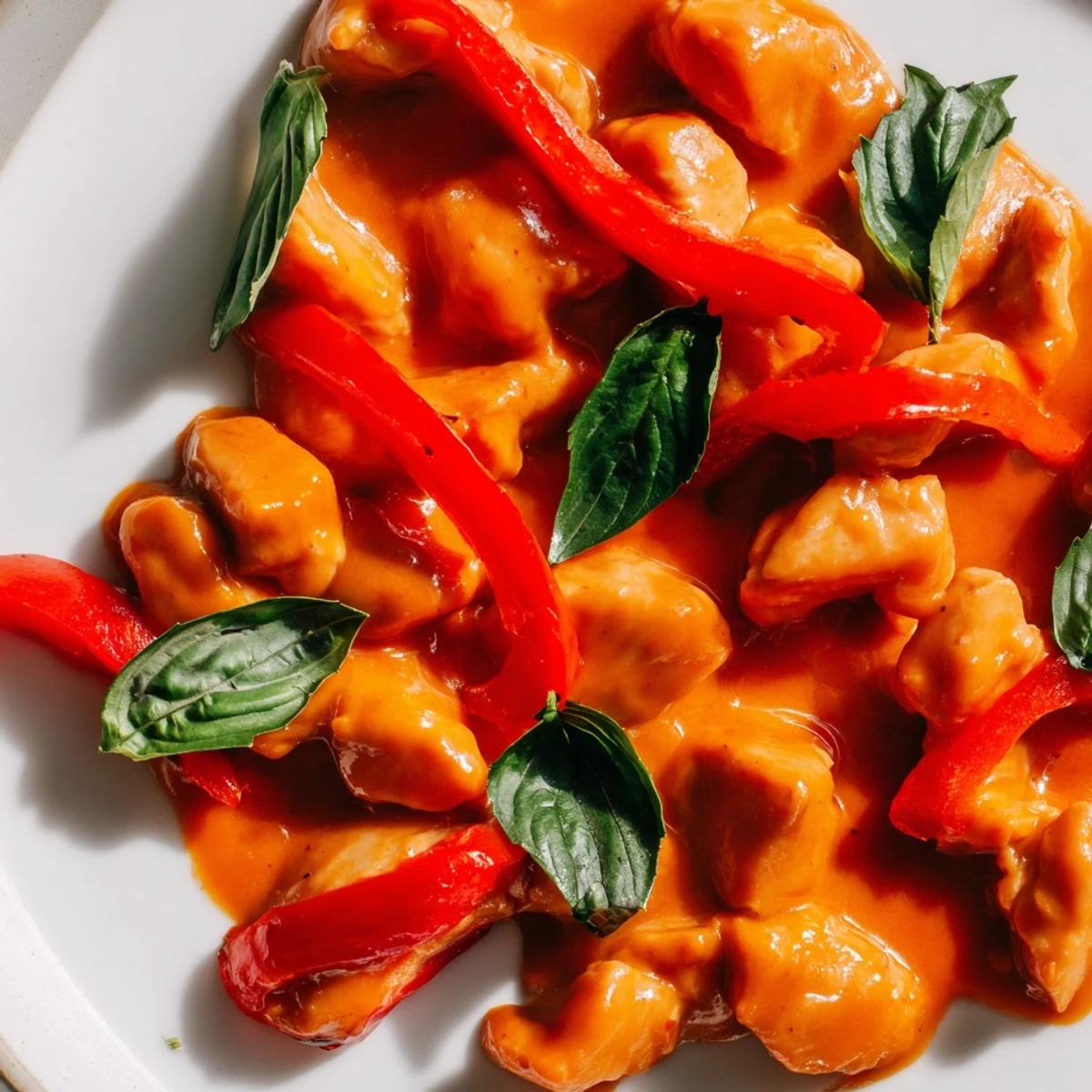
 This Thai-inspired dish features tender chicken pieces simmered in a luscious coconut curry sauce, infused with aromatic garlic, ginger, and fresh basil. The red curry paste brings depth and gentle heat, while the creamy coconut milk creates a silky, rich sauce that coats every bite. Ready in just 40 minutes, this impressive main dish tastes restaurant-quality yet comes together easily in one skillet.
The first time I made coconut curry, my tiny apartment filled with such incredible aromas that my neighbor actually knocked on my door to ask what I was cooking. I'd been intimidated by Thai curries for years, convinced they required some secret technique or ingredient I couldn't possibly find at my regular grocery store. Turns out, a good red curry paste and a can of coconut milk can work absolute magic together. Now this chicken curry has become my go-to for weeknight dinners when I want something that feels special but doesn't take forever to make.
Last winter, during that particularly brutal stretch of February, I hosted a small dinner party when everyone was feeling pretty drained. This curry was on the table, steaming and fragrant, and I watched my friends visibly relax as they took their first bites. Something about warm coconut milk and aromatic spices just wraps around you like a blanket. The conversation turned from complaints about the weather to enthusiastic discussions about second helpings.
Ingredients
- 1.5 lbs boneless skinless chicken breasts: Cut into bite-sized pieces so they cook evenly and absorb more of that gorgeous curry sauce
- 1/2 tsp salt and 1/4 tsp black pepper: Simple seasoning that lets the curry flavors shine without competing
- 2 tbsp vegetable oil: Use a neutral oil with a high smoke point for browning the chicken properly
- 1 medium onion, finely chopped: Creates a sweet, aromatic base that balances the spicy curry paste
- 3 cloves garlic, minced: Fresh garlic makes all the difference, dont even think about using the pre-minced stuff
- 1 tbsp fresh ginger, grated: Peel it with a spoon and grate it right into the pan for maximum potency
- 2 tbsp Thai red curry paste: This is the flavor powerhouse, and yes, the little jars in the international aisle work perfectly fine
- 1 can (14 oz) full-fat coconut milk: Seriously, don't use the lite version here, you need that rich creaminess
- 1 tbsp fish sauce: Adds that essential umami depth without making anything taste fishy
- 1 tbsp brown sugar: Just enough to balance the heat and bring all the flavors together
- 1 tbsp soy sauce: Use tamari if you need to keep it gluten-free, both work beautifully
- 1 red bell pepper, thinly sliced: Adds gorgeous color and a sweet crunch that contrasts the creamy sauce
- 1 cup fresh basil leaves, torn: Thai basil is traditional, but regular basil works if that's what you can find
- Cooked jasmine rice: The perfect vehicle for soaking up every last drop of that sauce
Instructions
- Season and prep your chicken:
- Pat the chicken dry with paper towels, cut it into bite-sized pieces, and season generously with salt and pepper on all sides.
- Get a good sear on the chicken:
- Heat your oil in a large skillet over medium-high heat until it's shimmering, then add the chicken in a single layer. Let it cook undisturbed for 3-4 minutes until golden brown on one side, then flip and cook another minute. Remove to a plate, leaving those flavorful browned bits in the pan.
- Build your aromatic base:
- Add the chopped onion to the same skillet and cook for 2-3 minutes until it's soft and translucent. Toss in the garlic and ginger, stirring constantly for about a minute until you can really smell them.
- Wake up the curry paste:
- Add the red curry paste directly to the onions and cook for a full minute, stirring constantly. The paste will darken slightly and become incredibly fragrant, which means those spices are blooming properly.
- Create your luscious sauce:
- Pour in the coconut milk, fish sauce, brown sugar, and soy sauce. Stir well to dissolve any lumps of curry paste and let everything come to a gentle bubble.
- Simmer to perfection:
- Return the chicken to the pan along with the sliced red bell pepper. Reduce heat to medium-low, cover, and let everything simmer gently for 10-12 minutes. The sauce should thicken slightly and coat the back of a spoon.
- Finish with fresh basil:
- Remove the pan from heat and scatter in those torn basil leaves. Fold them through just until they wilt slightly, then serve immediately over steaming jasmine rice.
 Pin it
 My now-husband first told me he loved me over a bowl of curry I'd made on our third date. We sat on my mismatched hand-me-down furniture, eating straight from the pan because I hadn't bothered to set the table properly. He took three bites, put down his fork, and said he could see himself eating this for the rest of his life. I married him anyway, but I also learned to always make extra rice.
Making It Your Own
Once you've made this recipe a few times, you'll start to understand how to adjust it to your taste. Some nights I want it fiery hot, so I'll add extra curry paste or even some sliced fresh chilies. Other times I'm craving something sweeter, so I'll increase the brown sugar slightly or add some sliced mango near the end. The beauty of curry sauce is how forgiving it is, so don't be afraid to experiment until you find your perfect balance.
Perfect Pairings
While jasmine rice is classic, I've discovered that this curry works beautifully with other grains too. Cauliflower rice keeps things lighter on busy weeknights, and coconut rice makes it feel even more indulgent for special occasions. For sides, a crisp cucumber salad dressed with rice vinegar cuts through the richness perfectly, and some roti or naan bread never hurt anyone's feelings either.
Make-Ahead Magic
This curry actually gets better after a day in the fridge, making it perfect for meal prep Sundays. The flavors meld together and the sauce thickens beautifully overnight. I like to make a double batch, portion it into containers, and suddenly I have lunch sorted for half the week. The only thing you shouldn't make ahead is the basil, add that fresh when you reheat to keep its bright flavor intact.
- Let the curry cool completely before refrigerating, and never put the hot pan directly in the fridge
- When reheating, add a splash of water or coconut milk to loosen the sauce back up
- The sauce can separate slightly in the fridge, just give it a good stir while heating and it will come back together beautifully
 Pin it
 There's something deeply comforting about a recipe that can transform a random Tuesday into something that feels like a proper occasion. I hope this curry brings as many cozy moments to your kitchen as it has to mine.
Recipe FAQs
- → Can I make this dish spicier?
-
Absolutely. Add fresh chopped chili peppers or red pepper flakes when you cook the curry paste in step 4. You can also increase the amount of red curry paste to 1.5 tablespoons for more heat throughout the dish.
- → What can I substitute for fish sauce?
-
Soy sauce or tamari works as a substitute, though the flavor profile will change slightly. For a closer match, try vegetarian fish sauce or add a pinch of salt with extra soy sauce to maintain the savory depth.
- → Can I use chicken thighs instead of breasts?
-
Yes, boneless skinless chicken thighs work beautifully and may stay even more tender during cooking. Adjust cooking time slightly as thighs may need an extra 2-3 minutes to cook through completely.
- → How do I store and reheat leftovers?
-
Store in an airtight container in the refrigerator for up to 3 days. Reheat gently in a skillet over medium-low heat, adding a splash of coconut milk or water if the sauce has thickened too much. The flavors often develop even more after resting.
- → Can I make this curry ahead of time?
-
You can prepare the sauce base up to 2 days in advance and store it separately. Cook the chicken and combine when ready to serve, or make the complete dish and reheat gently—the basil is best added fresh just before serving.
- → Is there a dairy-free alternative to full-fat coconut milk?
-
Light coconut milk works but yields a thinner, less rich sauce. For creaminess without full-fat coconut milk, try adding a tablespoon of coconut cream or cashew butter to help thicken the sauce while maintaining dairy-free status.