
 Pin it
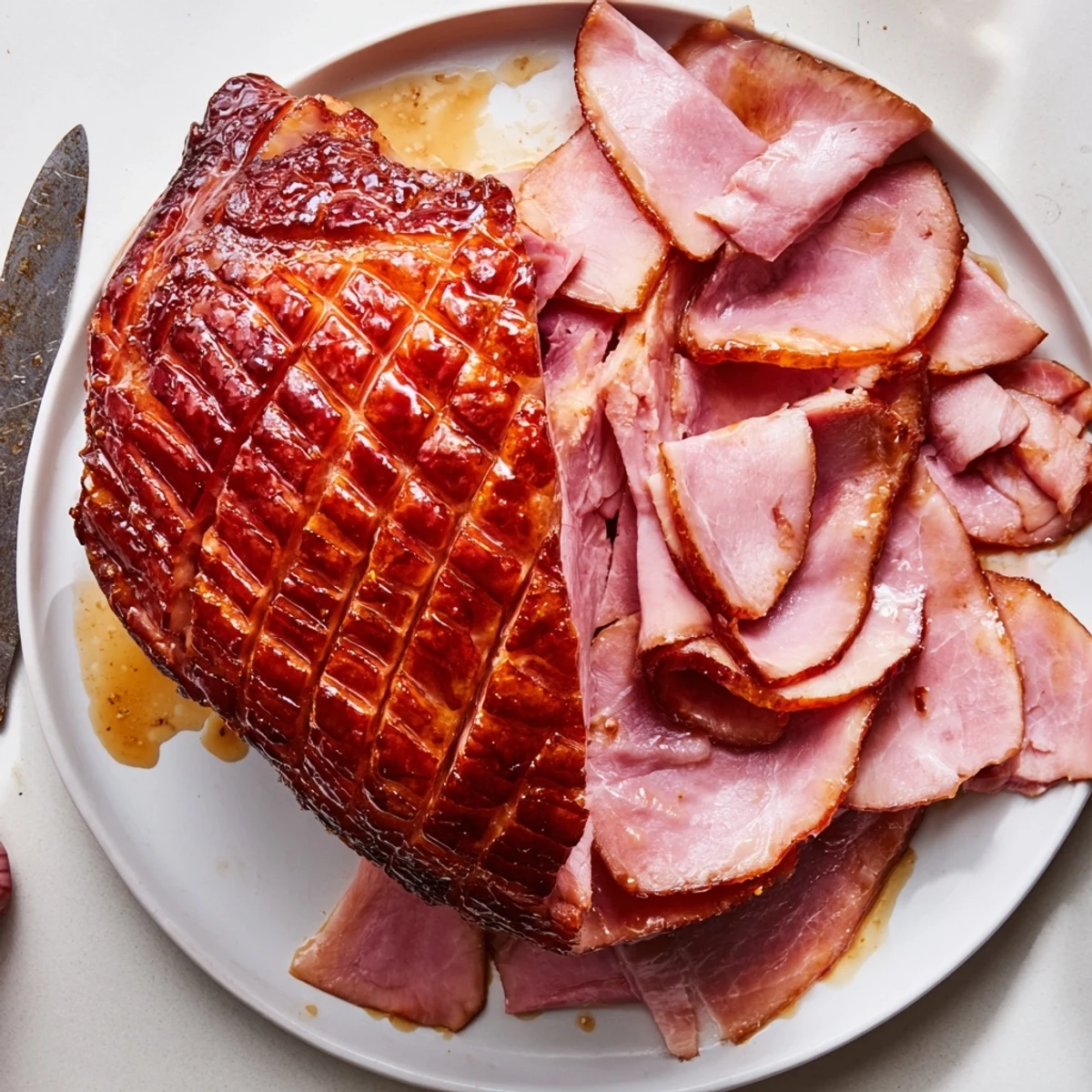
 This impressive centerpiece features a tender, juicy ham coated in a glossy caramelized glaze. The combination of pure maple syrup and tangy Dijon mustard creates the perfect balance of sweet and savory flavors, while warm spices like cloves and black pepper add depth. With just 15 minutes of active preparation time, this dish delivers restaurant-quality results with minimal effort.
The year I hosted my first Easter, my grandmother called me three times about the ham. She insisted the glaze was everything, and that store-bought honey glaze was essentially admitting defeat to life itself. I followed her maple-mustard ratio to the letter, and when my brother walked through the door and announced that something smelled like a holiday, I finally understood what she meant about a good ham being the backbone of a celebration.
Last Christmas, my aunt actually paused mid-bite during dinner and asked what I'd done differently. I admitted the only secret was brushing the glaze on repeatedly during those final minutes, and she nodded like I'd just shared wisdom from the ages. Watching people go back for seconds before the potatoes even made it around the table is the kind of dinner party success I chase every time.
Ingredients
- Fully cooked bone-in ham: The bone adds incredible flavor to the meat during baking, and having that bone afterward is basically a gift that keeps on giving for future soups and beans
- Pure maple syrup: Real maple syrup gives you that deep amber sweetness that artificial pancake syrup can only dream about achieving
- Dijon mustard: This provides the necessary sharpness to cut through the ham's richness and keeps the glaze from becoming cloyingly sweet
- Brown sugar: The molasses in dark brown sugar helps create those gorgeous caramelized bits everyone fights over
- Apple cider vinegar: Just enough acid to brighten everything and keep the glaze from being one-note sweet
- Ground cloves: A tiny amount goes a long way in giving that classic holiday spice note people associate with special occasions
Instructions
- Prepare the oven:
- Set your oven to 325°F and position the rack in the lower third so the ham has plenty of room without getting too close to the heating element
- Prep the ham:
- Remove all packaging and netting, then place the ham flat side down in your roasting pan to ensure even cooking
- Score the surface:
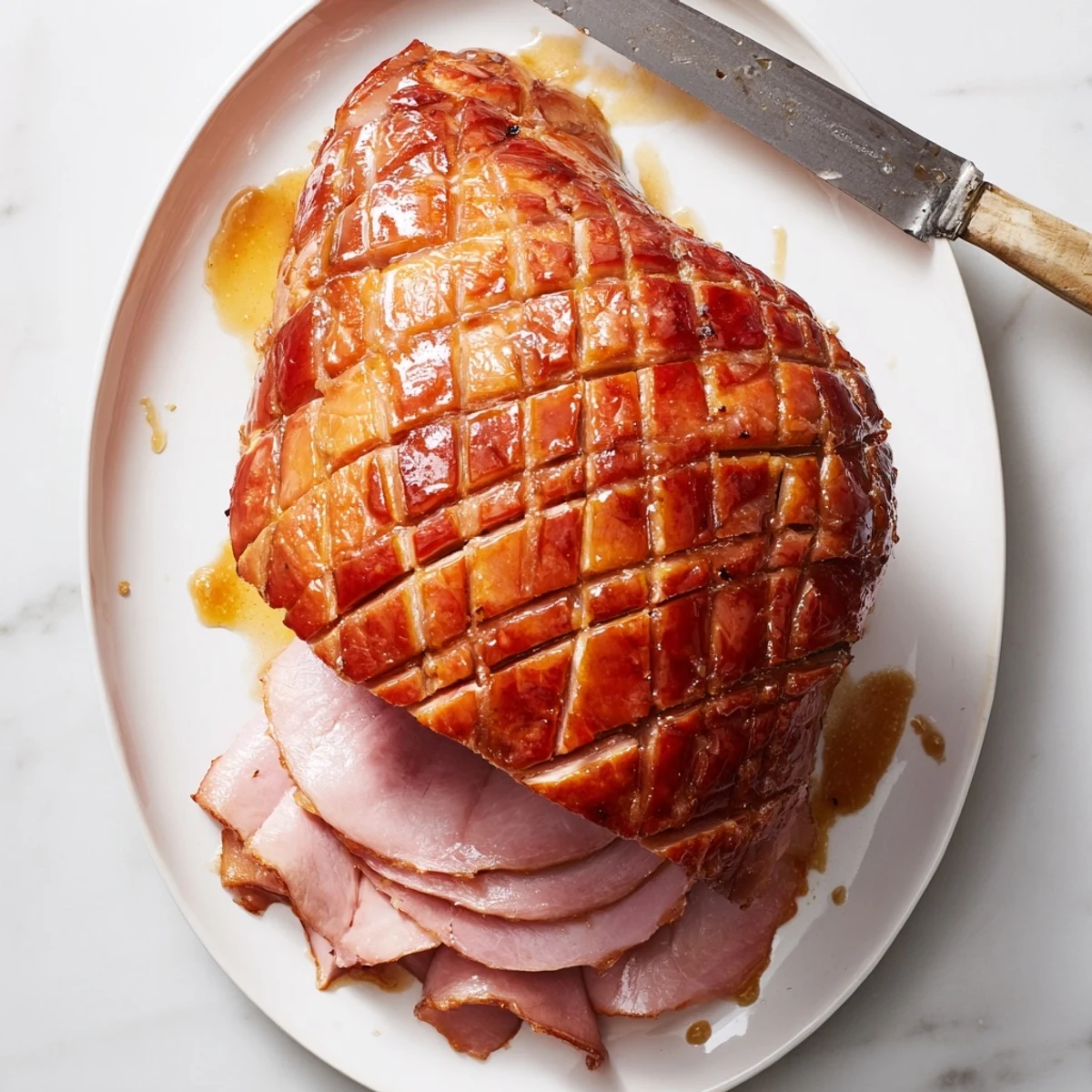
- Cut a crosshatch pattern about 1/4 inch deep across the fat, which helps the glaze really sink in and creates those beautiful ridges that caramelize
- Initial bake:
- Cover loosely with foil and bake for 1 1/2 hours, letting the ham heat through gently
- Make the glaze:
- Whisk everything together in a small saucepan and simmer for about 5 minutes until it thickens slightly enough to coat a spoon
- First glazing:
- Remove the foil and brush the ham generously with about half your glaze, making sure to get it into all those scored lines
- Caramelize and finish:
- Bake uncovered for 30 to 40 minutes, basting every 10 to 15 minutes with remaining glaze, until everything looks glossy and deeply bronzed
- Rest before serving:
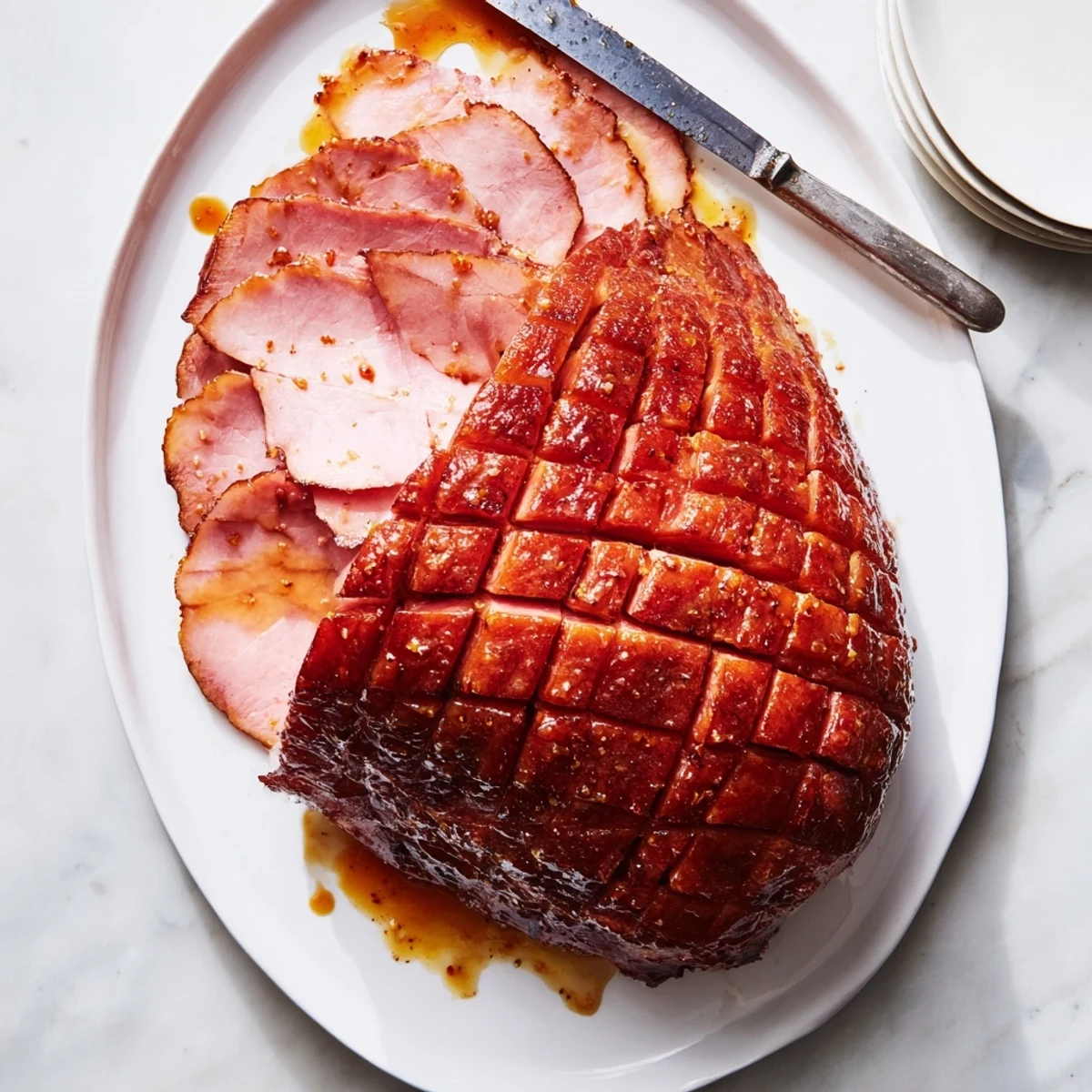
- Let the ham sit for 15 minutes before slicing, which gives the juices time to redistribute so every slice stays moist
 Pin it
 My friend Sarah called me once in a panic because she'd burned her glaze, and I told her to just whisk in a little more maple syrup and call it a smoky variation. The dinner was still a hit. Some of the best cooking moments happen when you pivot instead of panic.
Getting That Perfect Glaze Texture
The glaze should coat the back of a spoon but still pour easily. If it becomes too thick while simmering, add a teaspoon of warm water to loosen it back up. I've learned that a slightly thinner glaze actually brushes onto the ham more evenly in those final baking minutes.
Serving Strategy
Place the ham on your largest serving platter, ideally one that has a slight rim to catch all those sticky glaze drips. I always arrange it with the cut side facing toward me for easier carving and save the prettier presentation side for guests to admire.
Leftover Game Plan
After everyone has gone home, slice the remaining ham and pack it into portions before you get too tired or distracted from cleanup. This simple step saved me multiple times when I wanted quick breakfasts or didn't feel like cooking the next day.
- Dice some for morning omelets with sharp cheddar
- Layer thick slices for sandwiches with grainy mustard
- Freeze portions in freezer bags for future soups
 Pin it
 There's something deeply satisfying about putting a glazed ham on the table and watching everyone's faces light up before they even take a bite. It's the kind of main dish that makes any meal feel like an occasion worth celebrating.
Recipe FAQs
- → What type of ham works best?
-
A fully cooked bone-in ham weighing 8–10 pounds is ideal. The bone adds flavor and moisture during cooking, while the size yields enough for 10–12 generous servings.
- → Can I make the glaze ahead?
-
Yes, prepare the maple Dijon glaze up to 2 days in advance and store it in an airtight container in the refrigerator. Reheat gently before brushing over the ham.
- → How do I know when the ham is done?
-
Since the ham is fully cooked, you're heating it through and creating the glazed exterior. The internal temperature should reach 140°F, and the surface should be glossy and caramelized.
- → What sides pair well?
-
Roasted vegetables like Brussels sprouts or carrots, creamy mashed potatoes, scalloped potatoes, or a fresh green salad complement the sweet and savory flavors beautifully.
- → How long should I let the ham rest?
-
Allow the ham to rest for 15 minutes after removing from the oven. This redistributes the juices, ensuring each slice stays moist and tender.
- → Can I use honey instead of maple syrup?
-
Honey works as a substitute, though the flavor profile will be slightly different. Use an equal amount and adjust cooking time if needed since honey caramelizes faster than maple syrup.